Polyacrylamide: Applications in Water Treatment, Mining and Paper Manufacturing
Polyacrylamide plays an important role in industries where businesses need to separate solids from liquids, manage suspended particles and improve manufacturing efficiency. From municipal wastewater facilities to mineral processing plants and paper mills, this versatile polymer helps operators handle complex process streams and recover useful materials.
For chemical traders, procurement managers and industrial buyers, understanding polyacrylamide applications helps identify suitable product grades and evaluate supplier offers more effectively. Its performance depends on factors such as molecular weight, ionic charge, formulation and the characteristics of the material being treated. Selecting the right specification can improve process consistency, support water reuse and help industrial facilities manage operating costs.
What Is Polyacrylamide and How Does It Work?
Polyacrylamide (PAM) is a water-soluble polymer produced from acrylamide monomers. Its long molecular chains interact with suspended particles, making it useful in flocculation, dewatering and other industrial processes that require solid-liquid separation.
One of its main functions is to help small, suspended particles form larger aggregates known as flocs. These aggregates can settle more quickly or separate more efficiently during filtration and dewatering.
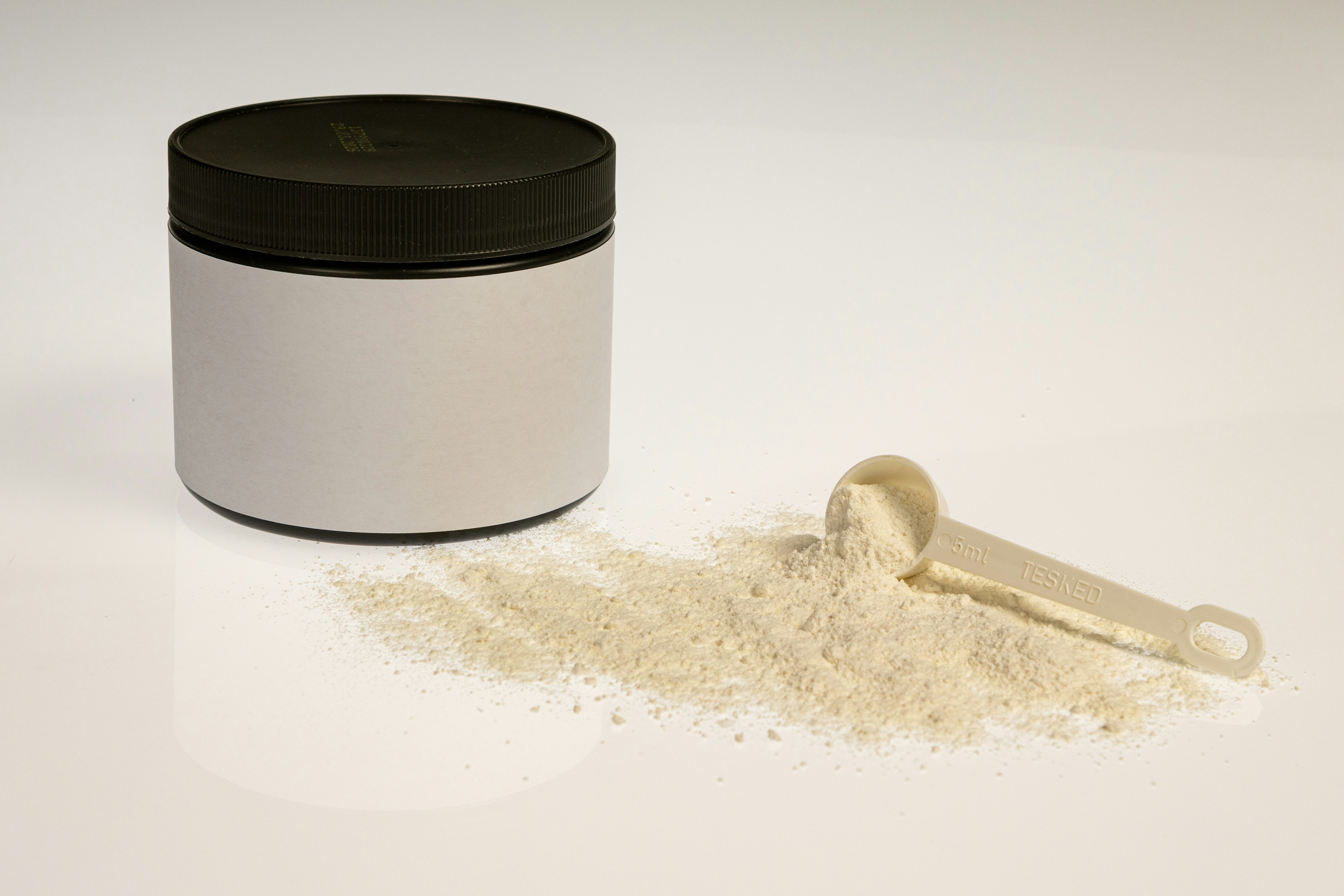
Manufacturers supply polyacrylamide in several forms, including powders, granules, emulsions and liquid formulations. Buyers must match the product form to their dosing equipment, preparation process and storage arrangements.
Commercial grades also differ in their ionic characteristics:
Anionic polyacrylamide: Often used in mineral processing, wastewater treatment and applications involving negatively charged polymer chains that interact with suitable suspended particles.
Cationic polyacrylamide: Commonly used for sludge conditioning and dewatering, particularly where interactions with negatively charged organic solids support separation.
Nonionic polyacrylamide: Suitable for selected applications where a neutral polymer structure meets process requirements.
These categories are not interchangeable. The best option depends on water chemistry, particle properties, operating conditions and the desired treatment outcome.
Polyacrylamide Applications in Water and Wastewater Treatment
Water treatment is one of the major application areas for polyacrylamide. Industrial plants, municipal facilities and wastewater operators use it to improve the separation of suspended solids from water and to support sludge management.
Improving clarification and flocculation
Water entering a treatment facility may contain fine particles that remain suspended for long periods. Polyacrylamide can bridge suitable particles together, forming larger flocs that separate more readily through sedimentation or other treatment methods.
This function can help operators improve clarification and reduce the solids load reaching downstream processes. Actual results depend on the polymer grade, dosage, water composition and treatment equipment.
Supporting sludge dewatering
Wastewater treatment produces sludge containing water, organic matter and suspended solids. Polyacrylamide helps condition this material so mechanical equipment, such as centrifuges and filter presses, can remove water more effectively.
Better dewatering can reduce the volume of sludge that a facility needs to transport, handle or dispose of. For procurement teams, this makes polymer performance relevant to both chemical expenditure and overall waste-management costs.
Treating industrial wastewater
Industries such as food processing, chemicals and pulp and paper manufacturing generate wastewater with different solid contents and chemical characteristics. Polyacrylamide can support flocculation when operators select a formulation compatible with the wastewater stream.
Treatment plants should evaluate polymer performance under representative operating conditions rather than choosing a grade solely because it carries a lower purchase price. Jar testing and controlled process trials can help establish suitable dosage ranges and compare treatment outcomes.
How Mining Operations Use Polyacrylamide
Mining and mineral processing operations handle large volumes of water mixed with finely divided minerals, clay and other solids. Polyacrylamide helps separate these materials from process water, making it valuable for tailings management, thickening and water-recovery systems

Tailings treatment and solid-liquid separation
Mineral processing generates tailings, the residual material left after valuable minerals have been separated from ore. These streams may contain fine particles that settle slowly without chemical assistance.
Suitable polyacrylamide grades promote floc formation and help solids settle, supporting the separation of water from mineral residues. Operators can then manage the concentrated solids and assess whether recovered water meets the requirements for reuse.
Improving process-water recovery
Water availability and water-management costs can influence mining operations, particularly in regions where supplies are limited. By supporting clarification and thickening, polyacrylamide can help facilities recover water for suitable uses within the processing circuit.
Recovered water may return to selected operations after the plant checks its quality and compatibility with downstream equipment. The benefits depend on the mineral composition, dissolved salts, pH and the presence of other treatment chemicals.
Supporting mineral processing efficiency
Polyacrylamide also has roles in selected mineral-processing applications beyond tailings treatment, including processes where polymer interactions influence particle separation. However, its effect varies with mineral type and the specific separation method, so plants must test performance under their own operating conditions.
For mining buyers, the key purchasing criteria include charge type, molecular weight, dissolution behaviour and consistency between batches. A grade that performs well at one mine may not produce the same results at another site.
Polyacrylamide in Paper Manufacturing
Paper manufacturing relies on controlled fibre distribution, water removal and the retention of fine materials during sheet formation. Polyacrylamide helps paper producers manage these processes, improve material retention and support wastewater treatment within mill operations.
Improving fibre and filler retention
Paper formulations contain cellulose fibres, mineral fillers and other additives. Some fine materials can escape with process water if the paper machine does not retain them effectively.
Suitable polyacrylamide formulations help retain fibres and fine particles within the developing paper sheet. Better retention can reduce material losses and help mills manage the solids circulating through their process-water systems.
Supporting drainage and production efficiency
Removing water efficiently is essential to paper-machine performance. Polyacrylamide can improve drainage under suitable conditions, helping the sheet release water during formation and supporting subsequent dewatering stages.
The precise effect depends on the paper furnish, machine configuration and interactions between the polymer and other additives. Mills must balance drainage performance with sheet formation and finished-paper quality rather than maximising one parameter alone.
Managing paper-mill wastewater
Paper mills generate wastewater containing fibres, suspended solids and other process-related materials. Polyacrylamide can assist flocculation during wastewater treatment, helping separate suspended matter before the treated water moves to subsequent stages or approved discharge systems.
For procurement teams, this creates two distinct purchasing considerations: polymers used directly in papermaking and polymers intended for wastewater treatment. A grade suitable for one function may not meet the requirements of the other.
What Determines the Right Polyacrylamide Grade?
The effectiveness of polyacrylamide depends on its chemical characteristics and the conditions in which operators use it. Buyers should evaluate technical specifications alongside price, availability and supplier reliability.
Several factors deserve particular attention:
Molecular weight: This influences polymer-chain behaviour and the ability to bridge particles. The required range depends on the application and process conditions.
Ionic charge and charge density: These characteristics affect interactions between polymer chains, suspended particles and dissolved substances.
Product form: Powder, granular and emulsion products have different handling, storage and preparation requirements.
Dissolution performance: The polymer must disperse and hydrate appropriately in the plant's preparation system to deliver consistent results.
Application requirements: Drinking-water treatment, industrial wastewater, mineral processing and papermaking can require different grades and performance characteristics.
Buyers should request a technical data sheet and certificate of analysis for each proposed grade. These documents help purchasing teams compare specifications and confirm that the supplied product meets the agreed requirements.
Sourcing Challenges and Quality Considerations
Polyacrylamide purchasing involves more than comparing quotations per kilogram or tonne. Differences in formulation, concentration, packaging and application suitability can affect the actual cost of using a product.
Procurement teams should assess suppliers against a consistent set of criteria. Important checks include:
Specification consistency: Confirm molecular weight range, ionic type, charge density and active content where applicable.
Batch documentation: Request a certificate of analysis and relevant technical documentation for the supplied material.
Packaging and handling: Check package integrity, moisture protection, storage conditions and compatibility with receiving facilities.
Supply continuity: Evaluate available inventory, production lead times, shipping arrangements and the supplier's ability to support repeat orders.
Technical support: Prioritise suppliers that can explain grade selection, preparation requirements and application-specific testing.
Polyacrylamide products also require appropriate handling and storage. Buyers should follow supplier instructions for safe preparation, prevent accidental releases and manage polymer-containing wastewater according to applicable site procedures.
Another important consideration is residual acrylamide monomer. Commercial polyacrylamide is a polymer, but residual unreacted monomer may remain depending on product specifications and manufacturing controls. Buyers should request relevant residual-monomer data, particularly for applications with strict water-quality or product-contact requirements.
Environmental Management and Responsible Use
Polyacrylamide can support more efficient water management by helping facilities separate solids and recover process water. However, its environmental performance depends on responsible dosing, appropriate treatment and effective management of polymer-containing residual streams.
Operators should avoid assuming that every polyacrylamide grade is suitable for every environmental application. Water-quality requirements, the intended end use and relevant regulations determine which product and treatment approach are appropriate.
Procurement teams can support responsible use by checking the following:
Obtain documentation covering residual monomer levels and relevant product specifications.
Confirm suitability for the intended application, especially where treated water has strict quality requirements.
Work with plant operators to establish effective dosing and preparation procedures.
Prevent spills and follow appropriate procedures for handling polymer solutions and treatment residues.
Review supplier documentation and applicable regulatory requirements before approving a new grade.
For water treatment, mining and paper manufacturing, responsible chemical use requires coordination between purchasing, operations, quality control and environmental teams. This approach helps companies evaluate performance alongside handling requirements and environmental responsibilities.
What Procurement Teams Should Prioritise When Buying Polyacrylamide
The best sourcing decision begins with the process requirement, not the lowest quoted price. A polymer that performs efficiently at the correct dosage may offer better overall value than a cheaper alternative that requires more material or produces inconsistent results.
Before placing an order, buyers should establish the intended application, confirm the required grade and obtain representative samples where practical. Comparing products through controlled trials can help determine whether a proposed alternative delivers acceptable settling, drainage, retention or dewatering performance.
Procurement teams should also consider total operating cost. This includes chemical consumption, preparation equipment, storage, waste handling and the effect of treatment performance on downstream operations.
For international buyers, supplier reliability matters just as much as technical suitability. Consistent specifications, clear documentation, dependable shipping and transparent commercial terms can help reduce purchasing uncertainty and support long-term supply planning.
Polyacrylamide remains a valuable industrial polymer because it serves several distinct functions across water treatment, mineral processing and paper production. Buyers who understand the differences between application-specific grades can make better-informed sourcing decisions, maintain process consistency and build stronger supplier relationships.
Polyaluminium Chloride
SOURCE LINK: https://pubchem.ncbi.nlm.nih.gov/
Found this useful?