Polyethylene Export Flows from the Gulf to Asia: Mapping Trade Routes and Disruptions
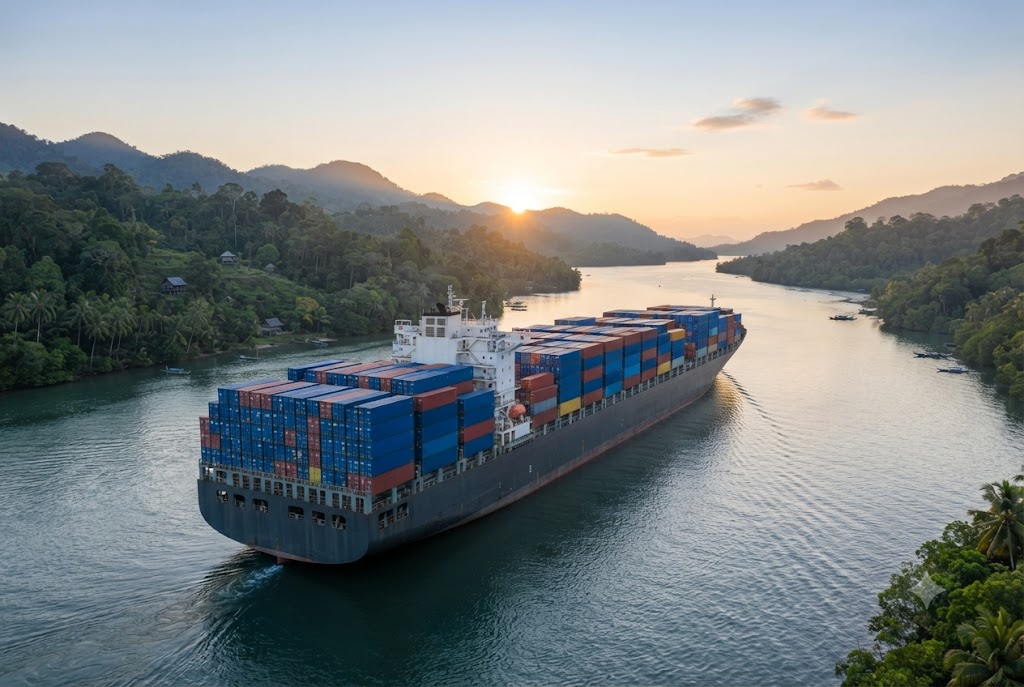
Global polymer markets rely heavily on a single maritime corridor to move massive volumes of cheap resin. Polyethylene export flows from the Gulf to China and Asia dictate baseline pricing for packaging and construction materials worldwide. Saudi, Qatari and Emirati producers load millions of tonnes onto container ships and bulk carriers every single year.
These physical shipments travel through narrow chokepoints before reaching major Asian discharge ports. Procurement managers track these specific shipping lanes because any regional blockade immediately starves downstream converters of critical raw materials.
The geographical concentration of this supply creates immense structural risk for global buyers. The following sections map exactly how Middle Eastern resin reaches Asian factories and what happens when these vital trade routes face sudden disruption.
Mapping the Primary Polyethylene Export Routes to Asia
Middle Eastern producers load their finished resin at massive coastal terminals in Saudi Arabia, Qatar and the United Arab Emirates. These specific facilities sit directly adjacent to world scale ethane crackers and polymerization units.
Loaded vessels must immediately transit the Strait of Hormuz to reach the open ocean. This narrow maritime chokepoint handles a massive percentage of the total global seaborne polymer volume.
Ships then cross the Arabian Sea and navigate the Indian Ocean toward their final destinations. Vessels bound for Northeast Asia transit the Strait of Malacca before discharging at major Chinese and South Korean ports.
Cargoes destined for the Indian subcontinent take a shorter route across the Arabian Sea. They discharge at western Indian ports to feed the massive local packaging and agricultural film sectors.
The Cost Advantage of Gulf Origin Polyethylene
Asian converters aggressively bid for Middle Eastern resin because it sits at the very bottom of the global cost curve. Producers in Saudi Arabia and Qatar utilize associated gas and cheap ethane to feed their massive cracker complexes.
This zero cost feedstock advantage allows Gulf operators to maintain healthy margins even when global polymer prices collapse. They pass a portion of these savings to Asian buyers to defend their market share against regional competitors.
Chinese and Indian packaging manufacturers rely heavily on these cheap imports to protect their own razor thin converting margins. They blend Gulf origin polyethylene with local domestic resin to optimize their overall raw material costs.
This structural cost advantage ensures the physical trade flow remains robust during normal market conditions. Buyers accept the geographical transit risk because the financial savings easily justify the longer shipping times.
What Happens When the Strait of Hormuz Faces Disruption
The entire export model collapses the moment geopolitical tensions threaten the primary maritime chokepoint. Maritime insurance providers immediately revoke coverage for vessels transiting the restricted waters.
Terminal operators halt all loading operations the second these insurance certificates expire. This sudden operational freeze strands millions of tonnes of finished resin inside the Gulf region.
Middle Eastern producers quickly declare force majeure on their long term export contracts. Asian buyers receive cancellation notices for their scheduled cargoes and must immediately scramble for spot market replacements.
The physical absence of these scheduled shipments creates a severe supply deficit at Asian discharge ports. Local warehouses drain their strategic inventories within weeks as downstream converters fight to keep their extrusion lines running.
Maritime Security Threats in the Arabian Sea and Malacca Strait
Vessels face additional transit risks long after they clear the initial Gulf chokepoint. The vast expanse of the Arabian Sea occasionally experiences piracy threats and regional naval skirmishes that delay commercial shipping.
The Strait of Malacca presents a different type of physical bottleneck for Northeast Asian buyers. This narrow waterway handles immense commercial traffic and suffers from severe congestion whenever port operations slow down at the eastern exit.
A sudden security incident in either region forces shipowners to reroute vessels or wait at anchor. These unexpected delays add weeks to the total transit time and completely destroy the just in time delivery models that Asian converters rely upon.
Freight rates spike violently as charterers compete for the few remaining vessels operating outside the risk zones. Procurement teams must absorb these massive logistics premiums or face total production starvation.
How Asian Buyers React to Sudden Supply Shocks
Desperate converters immediately pivot toward alternative geographical origins when Gulf cargoes stall. They bid aggressively for spot volumes from the United States Gulf Coast and Southeast Asian producers to bridge the physical gap.
This sudden surge in alternative demand drives up regional spot premiums across the entire Pacific basin. Traders capitalize on these wide geographical spreads by redirecting American vessels toward Asian discharge ports.
Market participants deploy three specific strategies to survive the physical shortage:
Domestic Chinese and Indian producers raise their own list prices because local buyers lose their primary leverage and must accept higher costs to secure immediate physical delivery.
Packaging manufacturers substitute alternative polymers where possible to keep their extrusion lines running while they wait for the maritime blockade to clear.
Agricultural film producers delay their seasonal manufacturing schedules to avoid paying extreme spot market premiums for emergency resin deliveries.
The initial supply shock quickly transforms into a broad inflationary event for the entire regional polymer market. Retail customers eventually absorb these higher raw material costs through increased prices for finished goods.
Freight Market Dynamics and Vessel Availability
The physical movement of these massive polymer volumes requires a highly specialized fleet of container ships and bulk carriers. Global shipowners dictate the final landed cost by adjusting their charter rates based on current vessel availability.
When Middle Eastern export volumes surge, the local demand for medium range chemical tankers and container slots increases dramatically. Shipowners immediately raise their hire rates and impose strict demurrage penalties on delayed port operations.
These sudden freight spikes can easily erase the physical feedstock discount that made the cargo attractive initially. Procurement teams must factor these logistics premiums into their total cost models before signing any overseas purchase agreements.
Port congestion at the loading terminals further complicates the physical delivery schedule. Vessels often wait at anchor for several days before securing a berth to pump their liquid cargoes or load their containerized resin.
The Role of Chemical Traders in Bridging the Gap
Merchant trading houses play a critical role in stabilizing the market during severe maritime disruptions. These intermediaries leverage their global networks to locate hidden inventory in remote overseas storage terminals.
Traders charter vessels on the spot market and assume the immense financial risk of moving material across unpredictable shipping lanes. Their willingness to take physical positions provides vital liquidity to a suddenly frozen market.
They also structure complex back to back deals that allow Asian buyers to secure volume without taking on the massive freight exposure. This financial intermediation keeps downstream extrusion plants running when direct producer contracts fail completely.
Procurement managers rely heavily on these trading desks to navigate the complex customs and compliance requirements of emergency imports. The administrative burden of securing alternative origins easily overwhelms internal purchasing teams during a crisis.
Strategic Inventory Buffers and Contract Adjustments
Corporate purchasing desks must completely overhaul their supply chain strategies to survive these transit risks. Relying on lean inventory models leaves converters completely exposed when a single maritime incident halts physical deliveries.
Smart procurement teams build strategic buffer stocks at local warehouses to absorb unexpected shipping delays. Maintaining deep physical reserves provides crucial weeks to secure alternative origins before manufacturing lines face total starvation.
Buyers also negotiate flexible origin clauses into their long term supply agreements. These specific contractual mechanisms allow purchasers to accept material from the Americas or Southeast Asia if the primary Gulf route faces sudden closure.
Financial hedging instruments provide an additional layer of protection against extreme freight spikes. Purchasing teams buy over the counter swaps to lock in their maximum logistics costs months before the physical cargoes actually discharge.
What Procurement Teams Should Do Now
The geographical concentration of Middle Eastern polymer production demands proactive risk management from every global buyer. Procurement leaders must immediately audit their physical inventory levels and compare them against projected consumption rates for the next ninety days.
Identify any critical gaps where a sudden maritime blockade could force your downstream plants to curtail production. Secure backup spot volumes from alternative geographical origins to bridge these immediate physical shortfalls.
Diversify your supplier base heavily toward integrated producers in the Americas and Southeast Asia to mitigate localized transit risks. Adaptability and global reach now define success in this highly concentrated market.
Ready to source polyethylene from verified global suppliers? Explore competitive offers on our platform today.

High Density Polyethylene (HDPE)
Found this useful?