Polyethylene Glycol (PEG): Industrial Uses and Grade Selection
Polyethylene glycol (PEG) is a versatile industrial chemical used in manufacturing, pharmaceuticals, cosmetics, detergents, textiles and specialty formulations. Its ability to dissolve in water, control viscosity and support ingredient compatibility makes it valuable across industries that require consistent product performance.
However, not every PEG grade offers the same characteristics. Manufacturers produce different molecular weight variations, ranging from low-viscosity liquids to waxy solids and powders. These differences influence solubility, melting behaviour, viscosity and suitability for specific applications.
For chemical buyers and procurement managers, understanding PEG grades is essential when comparing suppliers, evaluating technical specifications and sourcing materials for industrial production. Selecting the appropriate grade can improve formulation consistency, processing efficiency and overall product quality.
What Is Polyethylene Glycol and How Is It Produced?
Polyethylene glycol is a synthetic, water-soluble polyether polymer produced through the polymerisation of ethylene oxide using water or suitable initiating compounds. Its chemical structure contains repeating ethylene oxide units, giving it the flexibility and hydrophilic characteristics required for numerous industrial applications.
The chemical is commonly identified by CAS Number 25322-68-3. Manufacturers generally classify conventional PEG grades according to their average molecular weight.
The number following PEG indicates its approximate average molecular weight. For example, PEG 200 has a lower molecular weight than PEG 4000, resulting in significantly different physical characteristics.
Understanding PEG's Physical Properties
Several properties determine how polyethylene glycol performs during manufacturing and formulation:
Water solubility: PEG dissolves readily in water, making it useful in aqueous formulations and cleaning products.
Viscosity: Lower molecular weight grades generally have lower viscosity, while higher molecular weight grades produce thicker materials.
Hygroscopicity: PEG can attract and retain moisture, supporting its use as a humectant in selected formulations.
Thermal behaviour: Higher molecular weight grades generally have higher solidification and melting temperatures.
Chemical compatibility: PEG interacts with various organic compounds and formulation ingredients, depending on the grade and application.
These properties allow manufacturers to select materials according to specific processing conditions rather than relying on one universal PEG grade.
Industrial Applications of Polyethylene Glycol
Polyethylene glycol supports a broad range of manufacturing activities because formulators can adjust its physical properties through molecular weight selection. Its role varies from a processing aid to a solvent, lubricant, binder or formulation component.
1. Pharmaceutical Manufacturing
Pharmaceutical manufacturers use selected PEG grades as excipients in different dosage forms. Their water solubility and formulation flexibility make them useful in products requiring controlled consistency and ingredient distribution.
Common applications include:
Tablet binders and coatings.
Ointments and topical creams.
Pharmaceutical bases and carriers.
Selected liquid and semi-solid formulations.
Solubility enhancement in appropriate formulations.
Pharmaceutical production requires carefully controlled material quality. Buyers should evaluate pharmaceutical-grade specifications, relevant pharmacopeial compliance and supporting documentation before purchasing PEG for medicinal applications.
2. Cosmetics and Personal Care
The personal care industry uses PEG in creams, lotions, hair-care products and other cosmetic formulations. Depending on its molecular weight and formulation role, PEG can contribute to moisture retention, texture modification and ingredient compatibility.
Manufacturers may select different grades to achieve the required consistency and processing characteristics. However, cosmetic formulators should also evaluate ingredient purity and the applicable regulatory requirements for their target markets.
3. Textile and Leather Processing
Textile manufacturers use PEG in selected processing formulations to support lubrication, moisture management and material handling. Its compatibility with water-based systems makes it useful in applications where manufacturers need consistent processing performance.
Potential applications include:
Textile finishing formulations.
Fibre processing aids.
Lubricating compositions.
Dyeing and printing auxiliaries.
Selected leather treatment formulations.
The appropriate molecular weight depends on the process, substrate and desired performance.
4. Detergents and Cleaning Products
PEG can function as a formulation component in industrial and household cleaning products. Its water compatibility supports its use in selected liquid detergents and cleaning formulations.
Manufacturers may incorporate PEG to adjust consistency, support ingredient distribution or improve specific formulation characteristics. The final formulation determines whether a liquid, semi-solid or solid grade offers the best performance.
5. Industrial Lubricants and Chemical Manufacturing
Industrial manufacturers also use PEG in lubricant formulations, plasticisers, release agents and chemical intermediates.
Its lubricating properties can support manufacturing processes where friction reduction and controlled material movement matter. In chemical production, selected PEG grades also serve as formulation components and processing aids.
Understanding PEG Grades and Molecular Weight Differences
Molecular weight represents one of the most important factors in polyethylene glycol selection. It affects the material's physical state, viscosity, melting behaviour and handling requirements.
Common commercial molecular weight categories include the following examples.
Low Molecular Weight PEG: PEG 200 and PEG 400
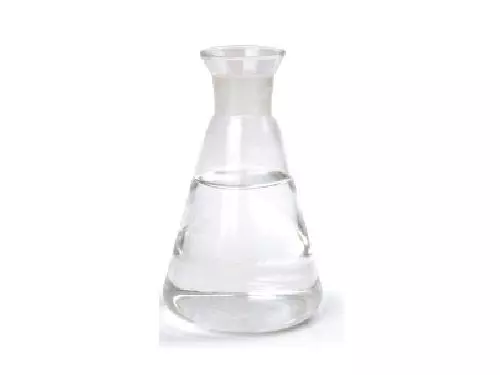
PEG 200 and PEG 400 generally appear as clear, viscous liquids at room temperature.
These grades suit applications that require liquid handling, relatively low viscosity and convenient incorporation into formulations.
Typical uses include:
Liquid detergents and cleaning formulations.
Industrial lubricants.
Chemical intermediates.
Personal care formulations.
Selected pharmaceutical applications when supplied to the required grade.
PEG 400 is particularly relevant to manufacturers that need a liquid, water-soluble formulation component.
Medium Molecular Weight PEG: PEG 600 and PEG 1000
PEG 600 generally occurs as a liquid or semi-solid material depending on temperature. PEG 1000 typically appears as a waxy solid at room temperature.
These grades offer different viscosity and melting characteristics compared with lower molecular weight PEGs. Manufacturers use them in selected lubricants, adhesives, coatings and formulation systems.
High Molecular Weight PEG: PEG 3350, PEG 4000 and PEG 6000
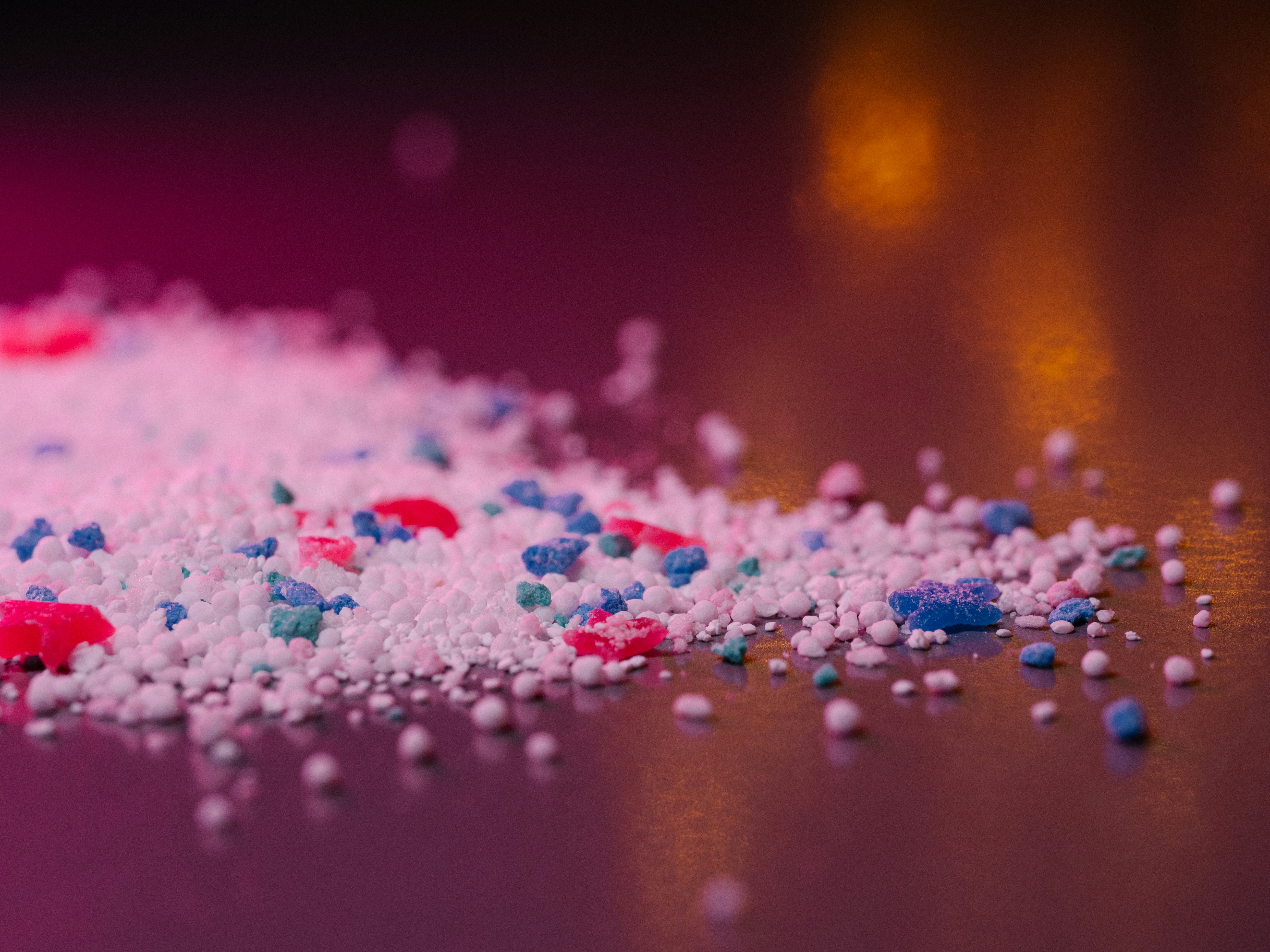
Higher molecular weight grades generally occur as waxy solids, flakes or powders.
They offer higher viscosity when melted and different solidification characteristics, making them suitable for applications that require a solid formulation component.
Common applications include:
Pharmaceutical excipients in suitable grades.
Tablet binding and coating.
Personal care formulations.
Industrial adhesives.
Plasticisers and speciality chemical formulations.
The exact physical properties vary by manufacturer and product specification. Buyers should always review the relevant technical data sheet rather than assuming that every product carrying the same nominal PEG number has identical specifications.
How to Select the Right PEG Grade for Industrial Requirements
Selecting polyethylene glycol requires more than identifying a nominal molecular weight. Buyers should evaluate the intended application, processing conditions and quality requirements before finalising a purchase.
1. Match Molecular Weight With Application Needs
Start by identifying the required physical characteristics.
Liquid formulations may require PEG 200 or PEG 400, while applications involving waxy or solid materials may require PEG 1000 or higher molecular weight grades.
Consider the following factors:
Required viscosity during processing.
Desired physical state at operating temperature.
Solubility and compatibility with other ingredients.
Melting or solidification behaviour.
Final product consistency.
2. Identify the Correct Industrial or Specialty Grade
Not all polyethylene glycol products meet the same quality requirements.
Industrial-grade PEG generally serves manufacturing and processing applications. Pharmaceutical-grade PEG must meet additional purity and quality requirements relevant to its intended use.
Buyers should distinguish between:
Industrial grade: For compatible manufacturing, processing and formulation applications.
Pharmaceutical grade: For applications requiring relevant pharmaceutical quality standards.
Food-related grade: For permitted food applications where the material meets applicable specifications.
Specialty grades: For applications requiring specific molecular weight distributions or additional technical characteristics.
A supplier's general product description does not establish suitability for every industry. Always verify the grade designation and supporting documentation.
3. Review Technical Specifications
Procurement teams should request a technical data sheet (TDS) and certificate of analysis (COA) before approving a supplier.
Important parameters include:
Average molecular weight and its acceptable range.
Viscosity at a specified temperature.
Appearance and physical state.
Moisture content.
Colour and purity.
Acidity or pH, where relevant.
Melting or freezing range for solid grades.
For sensitive applications, buyers should also examine residual ethylene oxide, 1,4-dioxane and other relevant impurities according to the intended use and applicable standards.
4. Evaluate Supplier Consistency
Consistent specifications are essential for manufacturers operating continuous production processes. Variations in molecular weight, moisture or viscosity can influence processing conditions and final product performance.
Buyers should compare supplier documentation, manufacturing controls, batch traceability and quality management systems. Requesting representative samples for compatibility and performance testing can also help reduce procurement risks.
Supply Chain and Procurement Challenges in PEG Sourcing
Polyethylene glycol procurement involves several considerations beyond the quoted purchase price. Manufacturers need reliable supply arrangements, consistent quality and suitable packaging to maintain uninterrupted operations.
Raw Material and Production Considerations
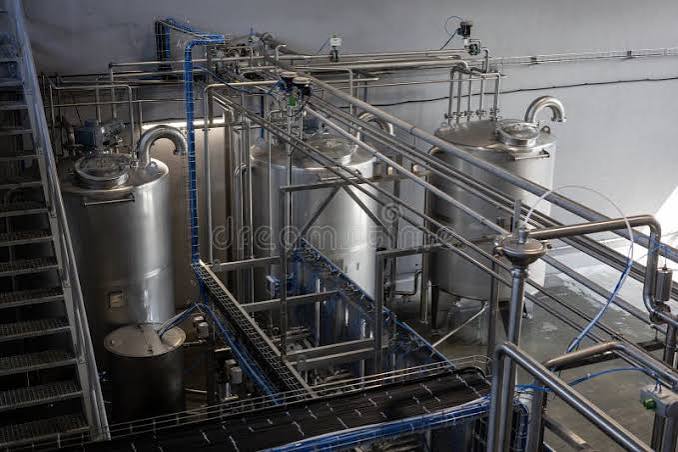
Ethylene oxide is the principal chemical feedstock used in conventional PEG production. Consequently, PEG manufacturing economics can respond to changes in feedstock availability, energy expenses and production conditions.
Buyers should monitor supplier quotations and lead times rather than evaluating procurement decisions solely through historical prices.
Storage, Packaging and Transportation
PEG's physical state influences its packaging and handling requirements.
Liquid grades generally require suitable sealed containers, drums or bulk liquid packaging. Solid grades may arrive in bags, flakes or other packaging designed to protect the material during transportation.
Procurement teams should confirm:
Packaging suitability for the selected grade.
Protection against moisture and contamination.
Storage temperature recommendations.
Shelf-life and retest information, where applicable.
Transportation conditions and delivery schedules.
Clear packaging and storage specifications help maintain product quality throughout the supply chain.
Documentation and Regulatory Requirements
International buyers should request documentation appropriate to the product and destination market.
Relevant documents may include:
Technical Data Sheet (TDS).
Safety Data Sheet (SDS).
Certificate of Analysis (COA).
Country of origin documentation.
Batch identification and traceability records.
Applicable pharmaceutical or food-related compliance documentation.
Importers should also verify the correct customs classification, destination-country requirements and documentation needed for their intended application.
Market Opportunities and Future Demand for PEG
Demand for polyethylene glycol connects with several established manufacturing sectors. Pharmaceutical formulations, personal care products, industrial chemicals and specialty manufacturing all contribute to its diverse application base.
The chemical's flexibility across molecular weight categories gives manufacturers opportunities to develop formulations with different physical and performance characteristics.
Growth in Specialty Formulations
Pharmaceutical and personal care manufacturers continue to require carefully specified formulation ingredients. This creates opportunities for suppliers that can offer consistent quality, suitable grades and reliable technical documentation.
Specialty applications may also require tighter control over molecular weight distribution and impurity profiles.
Industrial Manufacturing Requirements
Detergent production, textiles, adhesives and lubricant manufacturing provide additional application areas. Manufacturers in these sectors generally prioritise reliable supply, competitive procurement costs and consistent material performance.
Suppliers that offer multiple PEG grades can support buyers with different formulation and production requirements.
Quality and Supplier Differentiation
As buyers place greater emphasis on material traceability and specification consistency, supplier selection increasingly involves technical evaluation alongside commercial comparison.
For international chemical traders, maintaining access to reliable manufacturers and distributors can strengthen their position in the PEG supply chain.
What Buyers Should Prioritise When Purchasing PEG
Successful polyethylene glycol sourcing depends on matching technical requirements with supplier capability. Buyers should establish clear purchasing specifications before requesting quotations.
A practical procurement approach includes:
Define the application: Identify whether PEG will serve as a solvent, lubricant, excipient, binder or formulation component.
Specify molecular weight: Request the exact PEG grade rather than purchasing based on a general product description.
Compare technical documentation: Review TDS and COA values across potential suppliers.
Confirm quality standards: Verify whether industrial, pharmaceutical or another specialised grade is necessary.
Evaluate commercial terms: Compare pricing, minimum order quantities, packaging and delivery schedules.
Check supplier reliability: Consider production consistency, traceability and the ability to support repeat orders.
Test material compatibility: Evaluate samples under the intended manufacturing conditions before approving larger purchases.
A clear purchasing specification helps prevent grade mismatches and reduces the risk of inconsistent production outcomes.
Chemical buyers should also maintain alternative qualified supply options where possible. This approach can improve sourcing flexibility when a preferred supplier experiences production interruptions or delivery delays.
The most effective PEG procurement strategy combines technical understanding, documented quality requirements and careful supplier evaluation.
Diethylene Glycol
SOURCE LINK: https://www.dow.com/en-us/brand/carbowax.html
Found this useful?