Polypropylene Glycol (PPG): Uses in Industrial Formulations
Polypropylene glycol (PPG) plays an important role in industrial formulations where manufacturers need controlled viscosity, lubricity, flexibility and foam management. As a versatile polyether, it serves as a raw material, functional ingredient and formulation component across several chemical processing industries.
Its applications extend from polyurethane production and synthetic lubricants to coatings, textile processing, adhesives and industrial defoamers. However, not every PPG grade performs the same way. Molecular weight, hydroxyl functionality, viscosity and water compatibility influence how manufacturers use the material in different applications.
For chemical traders, procurement managers and industrial buyers, understanding these differences helps identify suitable grades, evaluate supplier specifications and maintain consistent formulation performance. As manufacturers seek more specialised chemical inputs, PPG remains an important material in industrial supply chains.
What Is Polypropylene Glycol and How Is It Produced?
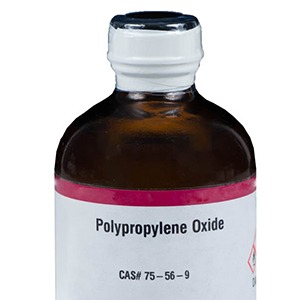
Polypropylene glycol is a polyether polymer produced through the polymerisation of propylene oxide. It is also commonly called polypropylene oxide (PPO). Its molecular structure contains repeating propylene oxide units connected through ether linkages, with hydroxyl groups present at the ends of many commercially available grades.
Manufacturers control polymer structure and properties by adjusting the polymerisation process, initiator, reaction conditions and degree of polymerisation. These variables influence molecular weight, viscosity, functionality and compatibility with other formulation ingredients.
Understanding Molecular Weight and Chemical Properties
PPG comes in different molecular weight grades, allowing formulators to select materials according to their processing and performance requirements.
The Canadian government's assessment of polyalkoxylates describes PPG products with molecular weights generally ranging from approximately 200 to 4,000 g/mol, depending on their structure and degree of polymerisation.
Several properties influence its industrial suitability:
Viscosity: Higher molecular weight grades generally offer greater viscosity, influencing flow, blending and handling characteristics.
Water solubility: Lower molecular weight grades tend to show greater water compatibility, while solubility generally decreases as molecular weight increases.
Hydroxyl functionality: Terminal hydroxyl groups allow suitable PPG grades to participate in chemical reactions, particularly polyurethane production.
Thermal behaviour: Many grades offer low-temperature fluidity and relatively low volatility, making them useful in selected industrial fluid applications.
Lubricity: PPG can contribute lubricating properties in synthetic lubricant and processing-fluid formulations.
These characteristics make grade selection essential. A material suitable for polyurethane manufacturing may not deliver the desired performance in an antifoam or lubricant formulation.
PPG Versus Propylene Glycol
Buyers should distinguish polypropylene glycol from propylene glycol because the two materials serve different industrial purposes.
Propylene glycol is a relatively small molecular compound, whereas PPG consists of repeating polymer units. Their viscosity, physical behaviour and formulation applications therefore differ considerably.
PPG also differs from polyethylene glycol (PEG), another widely used polyether. Their molecular structures influence water compatibility and other formulation characteristics, so buyers should avoid treating these materials as interchangeable.
Major Industrial Applications of Polypropylene Glycol
PPG supports several industrial processes because manufacturers can select different molecular weights and functional properties to meet specific formulation requirements.
Its role can range from serving as a reactive polyol to improving lubrication or controlling unwanted foam formation.
1. Polyurethane Production
One of the important applications of PPG is polyurethane manufacturing. Suitable PPG grades react with isocyanates to produce polyurethane materials with different mechanical and physical characteristics.
Manufacturers use these polyether polyols in applications such as:
Flexible and specialised polyurethane foams.
Elastomers and synthetic rubber materials.
Industrial adhesives and sealants.
Protective coatings and resin systems.
Insulation and construction-related materials.
The molecular weight and hydroxyl value of PPG influence the final polymer structure and performance. Formulators must therefore select a grade that matches the required flexibility, hardness, resilience and processing characteristics.
Sanyo Chemical identifies its PPG-based polyether polyol grades as raw materials for polyurethane resins, including applications in textiles, paints, adhesives and synthetic rubber.
三洋化成 –+1
2. Industrial Lubricants and Synthetic Fluids
PPG also contributes to synthetic lubricant formulations. Its lubricating properties and low-temperature fluid characteristics make selected grades useful in specialised industrial fluid systems.
Manufacturers may incorporate PPG into:
Synthetic lubricating oils.
Compressor and industrial equipment fluids.
Heat transfer formulations.
Specialised processing fluids.
Metalworking-related formulations.
In these applications, viscosity and compatibility with other base-fluid components influence performance.
Buyers should assess operating temperature, fluid stability, material compatibility and equipment requirements before selecting a suitable grade. A lubricant formulation must maintain its intended properties throughout its operating conditions.
3. Foam Control and Defoaming Formulations
Uncontrolled foam can interrupt manufacturing processes, reduce production efficiency and create handling difficulties. PPG serves as an important ingredient in selected foam-control and antifoam formulations.
Industrial users apply PPG-based products in areas such as:
Paper and pulp processing.
Textile manufacturing.
Water and wastewater treatment.
Paint and coating production.
Industrial fermentation and processing.
Certain PPG grades and modified PPG formulations help manage foam formation in liquid systems. Their performance depends on molecular structure, concentration and compatibility with the formulation.
Dow lists polypropylene glycol products for foam-control applications across several industries, including paper processing, water treatment and industrial surfactant production.
Dow Inc.+1
4. Coatings, Adhesives and Specialty Formulations
PPG-based materials also support coatings, adhesives and other specialty chemical formulations.
Depending on the selected grade and formulation, PPG can contribute to flexibility, lubrication, compatibility and processing behaviour.
Industrial applications include:
Adhesive and sealant manufacturing.
Protective coating formulations.
Resin production.
Specialised paint systems.
Chemical intermediates and polymer processing.
In coating applications, formulators must consider whether the PPG grade affects film properties, appearance, compatibility or drying behaviour. Testing within the complete formulation remains important because individual additives can interact differently with other ingredients.
How PPG Supports Different Manufacturing Industries
The versatility of PPG comes from its ability to perform different functions across manufacturing environments.
Industries select specific grades according to their production processes and final product requirements.
Automotive and transportation: Polyurethane components, elastomers, adhesives and selected lubricant formulations use PPG-based materials to achieve desired physical properties.
Construction and building materials: Polyurethane insulation, sealants and protective materials represent important application areas where suitable polyether polyols contribute to product performance.
Textile manufacturing: PPG-based materials support selected textile-processing formulations, including specialised lubricating and foam-control systems.
Paper and pulp: Certain PPG grades and derivatives help manage foam and support processing-fluid formulations during paper production.
Water treatment: Selected PPG-based antifoam products help control unwanted foam in industrial water and wastewater treatment operations.
Key Factors Affecting PPG Grade Selection
Selecting the correct PPG grade requires more than comparing product names or quoted prices. Buyers should evaluate the technical specifications against their actual manufacturing requirements.
Molecular Weight and Hydroxyl Value
Molecular weight is one of the most important purchasing considerations. It influences viscosity, end-group concentration and suitability for different applications.
Hydroxyl value is particularly important when purchasing PPG for polyurethane production. It indicates the concentration of reactive hydroxyl groups and helps formulators calculate the required proportions of polyol and isocyanate.
A mismatch between the required and supplied hydroxyl values can affect the final material's mechanical properties and processing behaviour.
Viscosity and Water Compatibility
Viscosity influences pumping, storage, mixing and processing conditions. Buyers should confirm that the supplied grade can move through their existing production equipment without creating unnecessary handling difficulties.
Water compatibility also deserves attention. Some formulations require greater water compatibility, while others benefit from the lower water solubility of higher molecular weight PPG grades.
Purity and Technical Documentation
Industrial buyers should request a technical data sheet (TDS) and safety data sheet (SDS) before approving a supplier.
Important specifications include:
Molecular weight and molecular weight distribution.
Hydroxyl value and functionality.
Viscosity at a specified temperature.
Moisture content.
Appearance and colour.
Acid value, where relevant.
Product stability and storage recommendations.
For specialised applications, buyers may also request batch-specific certificates of analysis (COA). These documents help compare supplier offers and verify whether delivered material meets the agreed specifications.
Supply Chain and Procurement Challenges
PPG sourcing depends on the availability of propylene oxide, manufacturing capacity, energy costs and transportation conditions. Changes in upstream feedstock supply can influence production economics and supplier quotations.
Procurement teams should consider several factors when evaluating the market.
Feedstock availability: Propylene oxide is the primary building block for conventional PPG production. Supply disruptions or changes in feedstock costs can influence the availability and pricing of downstream polyether products.
Grade availability: Suppliers may offer different molecular weights and functionality profiles. A distributor carrying one standard grade may not have the specific material required for a specialised formulation.
Transportation and storage: Buyers should confirm packaging options, handling requirements and storage conditions. PPG grades can differ in viscosity, which may influence transfer and handling arrangements.
Supplier consistency: Changes in molecular weight, hydroxyl value or moisture content can affect formulation performance. Buyers should evaluate suppliers based on specification consistency rather than price alone.
Import documentation: International transactions require appropriate product descriptions, technical documentation, safety information and accurate customs classification.
For importers and chemical distributors, maintaining relationships with multiple qualified suppliers can improve sourcing flexibility and reduce dependence on a single supply channel.
Sustainability and Regulatory Considerations
Manufacturers increasingly evaluate the environmental performance of chemical inputs alongside technical and commercial requirements.
PPG's environmental profile depends on its molecular structure, grade, production process and application. Certain assessed PPG materials show biodegradation potential under specified testing conditions, but buyers should not assume that every grade or finished formulation has identical environmental characteristics.
Industrial users should review relevant environmental documentation and confirm whether the selected product meets applicable regional requirements.
Additional considerations include:
Proper storage and spill prevention.
Wastewater management and disposal procedures.
Supplier-provided environmental and safety documentation.
Compliance with applicable chemical inventory and registration requirements.
Safe handling according to the product-specific SDS.
Companies exporting or importing PPG should also verify destination-market regulations, labelling requirements and customs classification before shipment.
What Buyers Should Consider When Sourcing PPG
The best procurement approach begins with matching the chemical specification to the intended industrial application.
Buyers should establish a clear purchasing specification before requesting quotations. This reduces the risk of comparing products that carry similar names but offer different technical properties.
A practical sourcing checklist includes:
Define the application: Identify whether the material will support polyurethane production, lubrication, foam control or another formulation.
Specify the required grade: Confirm molecular weight, hydroxyl value, viscosity and functionality.
Request technical documents: Obtain the TDS, SDS and relevant COA before finalising supplier approval.
Evaluate compatibility: Test the material within the existing formulation and production process.
Compare commercial terms: Review price, packaging, minimum order quantity, lead time and delivery conditions.
Verify supplier reliability: Assess product consistency, documentation quality and the supplier's ability to fulfil repeat orders.
Procurement teams should also consider the total delivered cost rather than focusing exclusively on the quoted price per tonne. Freight, insurance, import duties, handling and inventory requirements can influence the overall purchasing decision.
PPG remains a useful industrial ingredient because manufacturers can tailor its molecular characteristics to different production requirements. Its role in polyurethane systems, synthetic lubricants, foam-control products and specialty formulations creates opportunities for chemical suppliers and industrial buyers across multiple sectors.
For businesses sourcing this material internationally, understanding grade specifications and verifying supplier capabilities are essential steps towards reliable procurement.
Propylene Oxide
Found this useful?