
Polystyrene: Applications in Packaging, Construction and Consumer Goods
Polystyrene remains an important industrial thermoplastic because manufacturers can process it into rigid plastic components, protective packaging and lightweight insulation materials. Its versatility allows businesses across packaging, construction, electronics and consumer goods to select different grades according to their production requirements.
The material offers several commercial advantages, including lightweight characteristics, dimensional stability, ease of processing and competitive manufacturing costs. These properties make polystyrene relevant to businesses that need reliable plastic materials for high-volume production and specialised applications.
For chemical traders, importers and procurement managers, understanding the differences between polystyrene grades is essential. General Purpose Polystyrene (GPPS), High Impact Polystyrene (HIPS) and Expandable Polystyrene (EPS) serve different industrial requirements and influence purchasing decisions throughout the supply chain.
Understanding Polystyrene and Its Commercial Grades
Polystyrene (PS) is a synthetic thermoplastic polymer produced through the polymerisation of styrene monomer. Manufacturers process the resin using techniques such as injection moulding, extrusion and thermoforming to produce finished plastic products.
Its commercial value comes from its adaptability. Depending on the formulation and manufacturing process, polystyrene can deliver transparency, rigidity, impact resistance or thermal insulation.
Three major commercial categories serve most industrial applications:
1. General Purpose Polystyrene (GPPS)
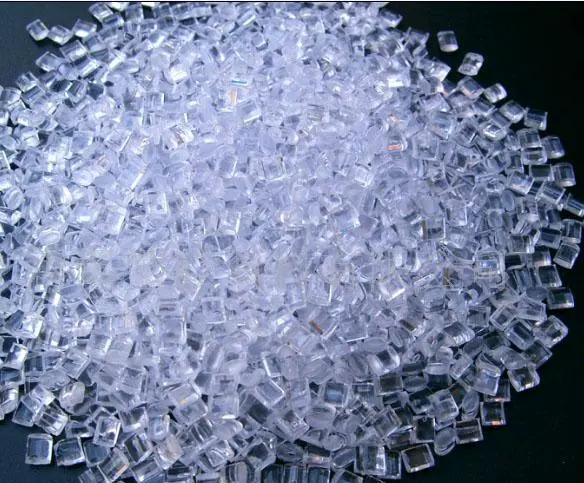
GPPS is a transparent and rigid material known for its clarity, dimensional stability and straightforward processing characteristics. Manufacturers commonly use it for disposable food containers, packaging components, stationery and household products.
2. High Impact Polystyrene (HIPS)
HIPS contains a rubber component that improves impact resistance and toughness. Its stronger mechanical performance makes it suitable for refrigerator liners, electronic housings, toys and durable consumer products.
3. Expandable Polystyrene (EPS)
EPS consists of expanded polymer foam with a lightweight cellular structure. Its thermal insulation, cushioning and shock-absorption properties support applications in building materials, protective packaging and temperature-sensitive transportation.
Selecting the correct grade allows manufacturers to achieve the required product performance without unnecessarily increasing material costs.
Why Packaging Manufacturers Depend on Polystyrene
Packaging represents one of the major application areas for polystyrene. Food processors, packaging converters, retailers and manufacturers use different grades to produce containers that protect products during storage, transportation and distribution.
GPPS supports applications that require transparency and a rigid structure. Food packaging manufacturers use it for selected containers, trays, lids and disposable products where product visibility and shape retention matter.
HIPS offers greater toughness, making it suitable for packaging that requires improved resistance to handling and physical impact.
EPS serves a different packaging requirement through its protective foam structure. Manufacturers use it to produce customised packaging inserts that protect fragile equipment, electronics and industrial components during transportation.
Important packaging applications include:
Food containers: Manufacturers use suitable polystyrene grades for selected dairy containers, food trays and disposable packaging products.
Protective packaging: EPS mouldings cushion electronics, household appliances and other fragile goods against transportation damage.
Industrial packaging: Businesses use polystyrene components to secure equipment and manufactured products during storage and distribution.
Temperature-controlled packaging: EPS boxes help maintain product temperatures during the transportation of selected food products and other temperature-sensitive goods.
However, packaging manufacturers must consider changing environmental expectations and regulations surrounding disposable plastics. These developments influence material selection, product design and long-term purchasing strategies.
Polystyrene in Construction and Building Insulation
Construction represents another important market for polystyrene, particularly through EPS and extruded polystyrene (XPS) insulation products.
Buildings require materials that help manage indoor temperatures, improve energy efficiency and reduce heat transfer. Expanded and extruded polystyrene offer insulation characteristics that make them useful in residential, commercial and industrial construction projects.
EPS is lightweight and relatively easy to handle, allowing contractors to incorporate it into different building systems. Its cellular structure helps reduce heat transfer while maintaining practical mechanical performance.
Common construction applications include:
Wall insulation: EPS boards support thermal insulation systems in external and internal building walls.
Roof insulation: Construction companies use polystyrene insulation boards in selected roofing systems to improve thermal performance.
Floor insulation: EPS and XPS materials help reduce heat transfer through floors and foundations.
Cold storage facilities: Insulation materials support temperature management in warehouses, food storage facilities and industrial refrigeration environments.
Road construction: Specialised EPS applications help reduce structural loads in selected road embankments and civil engineering projects.
The construction sector creates demand for polystyrene materials because energy efficiency increasingly influences building design and material selection.
For procurement teams, the choice between EPS and XPS depends on project requirements. Buyers should evaluate thermal conductivity, compressive strength, water absorption, density and dimensional stability before selecting an insulation material.
Consumer Goods, Electronics and Household Applications
Polystyrene also supports the production of numerous everyday products. Manufacturers value its processing flexibility, surface finish and ability to deliver different mechanical properties across commercial grades.
GPPS works well in products that require transparency and a smooth appearance. HIPS serves applications where manufacturers need greater toughness and resistance to physical damage.
Household appliances represent an important end-use segment. Refrigerator liners, freezer components and selected appliance housings commonly use HIPS because the material provides a useful balance of impact resistance, stiffness and processability.
Other consumer applications include:
Toys and recreational products.
Stationery and writing instruments.
Household storage containers.
Electronic equipment housings.
Selected kitchen and bathroom accessories.
Small moulded plastic components.
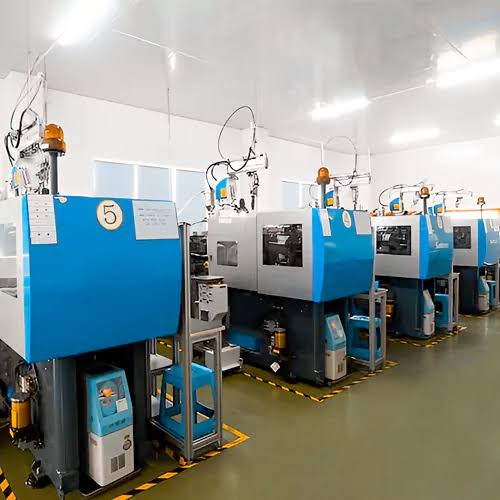
Electronics manufacturers also use polystyrene in selected internal and external components. Its processing characteristics allow converters to manufacture parts with consistent dimensions and detailed shapes.
Key Factors Driving Industrial Polystyrene Demand
Demand for polystyrene depends on manufacturing activity, construction investment, packaging consumption and the performance requirements of downstream industries.
Several factors influence purchasing activity across international markets.
Growth in food and consumer packaging
Food processors and packaging converters require materials that support efficient production, product protection and consistent packaging quality. Demand for rigid containers and protective packaging continues to influence purchasing requirements for suitable polystyrene grades.
Construction and insulation investment
Residential developments, commercial buildings and industrial infrastructure projects support demand for EPS and XPS insulation products. Energy-efficient construction practices also encourage manufacturers to develop insulation materials with improved performance characteristics.
Expansion of household appliance manufacturing
Refrigerators, freezers, air conditioners and other household appliances create demand for impact-resistant plastic components. HIPS remains relevant for manufacturers producing these products.
Industrial manufacturing activity
Automotive components, electronics and general consumer goods require different engineered plastic materials. Polystyrene competes with other polymers in these applications based on cost, processing efficiency and product performance.
Material substitution and environmental expectations
Manufacturers increasingly evaluate alternative materials, including polypropylene, polyethylene, PET and fibre-based packaging. These alternatives influence polystyrene demand, particularly in applications where recyclability and single-use plastic restrictions affect purchasing decisions.
Polystyrene Supply Chains and Raw Material Price Drivers
The polystyrene supply chain begins with styrene monomer, its principal raw material. Producers polymerise styrene to manufacture different polystyrene grades before supplying resin to converters and downstream manufacturers.
Because styrene represents a major production input, changes in its availability and pricing can influence polystyrene manufacturing costs.
Several factors shape the commercial pricing environment:
Styrene monomer prices: Changes in feedstock costs directly influence resin production economics.
Energy expenses: Polymerisation, processing and manufacturing require energy, making electricity and fuel costs relevant to production margins.
Plant operating rates: Production disruptions, maintenance shutdowns and changes in operating capacity can affect resin availability.
Freight and logistics: International shipping costs, container availability and port congestion influence landed prices for import-dependent buyers.
Currency movements: Exchange-rate fluctuations affect procurement budgets when buyers purchase resin through international trade.
Regional supply and demand: Differences in production capacity and downstream consumption can create variations in regional pricing.
Chemical traders and distributors must monitor these factors when negotiating supply contracts. Buyers who understand the relationship between styrene prices, production costs and freight movements can make more informed purchasing decisions.
Challenges Facing Polystyrene Manufacturers and Buyers
Although polystyrene offers useful technical and commercial properties, the industry faces several challenges that influence its long-term market position.
Environmental concerns remain a significant consideration, particularly for disposable packaging and expanded foam products. Governments, retailers and packaging companies increasingly examine material waste, recycling infrastructure and alternatives to conventional plastics.
Recycling also creates practical challenges. Collection, sorting, contamination and transportation costs can affect the commercial viability of recycling different polystyrene products.
Manufacturers and procurement teams must also manage technical and operational risks.
Important challenges include:
Regulatory restrictions: Different markets apply specific rules to single-use plastics and selected food-service packaging products.
Recycling infrastructure: Limited collection and processing facilities can restrict the recovery of post-consumer polystyrene.
Raw material volatility: Styrene price movements can create uncertainty in production costs and purchasing budgets.
Supply interruptions: Plant shutdowns, shipping delays and regional supply imbalances can affect resin availability.
Alternative materials: Polypropylene, PET and other polymers compete with polystyrene across several packaging and manufacturing applications.
These challenges encourage producers to improve manufacturing efficiency, explore recycling technologies and develop materials that address changing customer requirements.
What Procurement Teams Should Consider When Buying Polystyrene
Selecting a polystyrene supplier involves more than comparing the lowest available price. Buyers must ensure that the resin matches their processing equipment, product specifications and final application.
A mismatch between grade characteristics and manufacturing requirements can affect production efficiency, product quality and overall operating costs.
Procurement managers should evaluate the following factors before confirming an order:
1. Identify the required grade
Determine whether the application requires GPPS, HIPS or EPS. Each grade serves different manufacturing requirements, so buyers should avoid treating all polystyrene products as interchangeable.
2. Review technical specifications
Request a technical data sheet and examine relevant properties, including melt flow rate, impact strength, density, tensile strength and thermal performance where applicable.
3. Check processing compatibility
Confirm that the resin suits the intended manufacturing process, including injection moulding, extrusion, thermoforming or foam production.
4. Evaluate supplier consistency
A reliable supplier should maintain consistent product specifications across shipments. Variations in resin quality can disrupt production and create additional processing costs.
5. Assess packaging and logistics
Buyers should confirm product packaging, minimum order quantities, shipment schedules, container loading arrangements and delivery terms before placing an order.
6. Verify documentation and compliance
Review relevant safety data sheets, technical documents and application-specific regulatory requirements. Food-contact applications require particular attention to applicable material and market requirements.
7. Compare total procurement costs
Consider the complete landed cost, including resin price, freight, insurance, duties, handling and potential inventory expenses.
A structured supplier evaluation process helps importers and manufacturers reduce sourcing risks while maintaining consistent production operations.
The Outlook for Polystyrene in Global Manufacturing
Polystyrene will continue to serve several established manufacturing sectors, although its market position will depend on changing industrial requirements and competition from alternative materials.
Packaging manufacturers will continue evaluating its clarity, rigidity and protective properties against environmental expectations and changing packaging regulations. Construction applications, particularly EPS and XPS insulation, will remain relevant where lightweight materials and thermal performance influence building specifications.
Consumer goods and appliance manufacturers will also maintain demand for suitable polystyrene grades where processing efficiency and mechanical properties meet product requirements.
For chemical traders and procurement managers, understanding grade-specific demand will become increasingly important. Suppliers that provide consistent specifications, dependable logistics and competitive commercial terms can strengthen their position in the global polystyrene supply chain.
Businesses should focus on long-term supplier relationships, technical product evaluation and flexible procurement strategies rather than relying exclusively on short-term price movements.
General-Purpose Polystyrene (GPPS)
Found this useful?