Polyvinyl Chloride (PVC): Global Production, Demand and Trade Trends
Polyvinyl Chloride (PVC): Global Production, Demand and Trade Trends
Explore global PVC production, demand, trade flows, major applications, and market developments shaping the international polyvinyl chloride industry.
Polyvinyl chloride (PVC) is one of the world's most widely used thermoplastics, playing an important role in construction, infrastructure, electrical systems, packaging, healthcare, and consumer products. Its durability, chemical resistance, versatility, and cost-effectiveness make it a major material for manufacturers across developed and emerging economies.
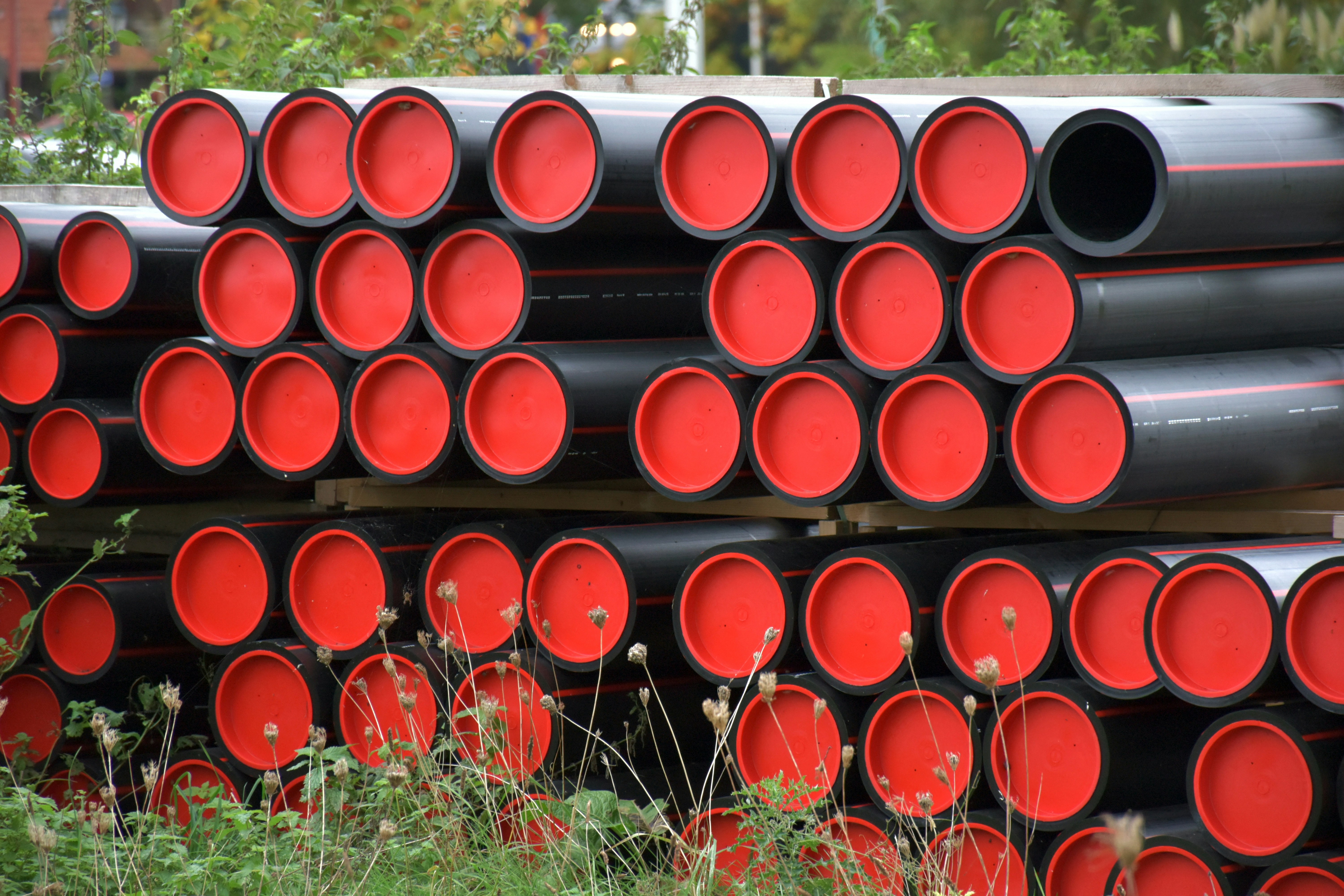
Global PVC production and demand are closely connected to construction activity, infrastructure investment, industrial manufacturing, and international trade. As countries expand water networks, housing, transportation systems, and energy infrastructure, PVC continues to serve as a key raw material for pipes, fittings, profiles, cables, flooring, and other applications.
The global PVC market is also influenced by production costs, energy prices, feedstock availability, environmental regulations, and changing trade policies. These factors affect manufacturers, exporters, importers, and downstream buyers.
Global PVC Production: Major Producing Regions
PVC is manufactured through the polymerization of vinyl chloride monomer (VCM). Producers generally use either ethylene-based or calcium-carbide-based production routes, depending on regional feedstock availability, energy economics, and existing industrial infrastructure.
Asia-Pacific is the leading production region, with China playing a particularly important role in global supply. Its large manufacturing base supports both domestic consumption and exports. However, production capacity has expanded faster than demand in some periods, creating pressure on operating rates, inventories, and export prices.
North America is another major production and export centre. US producers benefit from access to competitively priced ethylene feedstocks and established chemical manufacturing infrastructure. However, export performance is increasingly affected by trade barriers, changing import requirements, and competition from other suppliers.
Europe has an established PVC manufacturing industry, but producers face challenges linked to energy costs, weaker industrial activity, competition from imported resin, and regulatory pressures. Recent trade investigations have also increased uncertainty around import sourcing.
Global PVC Demand and Key Applications
PVC demand is strongly connected to construction and infrastructure investment. Its applications range from essential building materials to specialized industrial and consumer products.
End-use sector | Common PVC applications |
|---|---|
Construction and infrastructure | Water pipes, drainage systems, fittings, window profiles |
Electrical industry | Cable insulation, conduits, protective components |
Healthcare | Medical tubing, selected medical devices and flexible products |
Packaging | Films, sheets, blister packaging and selected containers |
Automotive | Interior components, wire insulation, protective coverings |
Consumer products | Flooring, wall coverings, footwear and household goods |
Construction remains a major demand driver because PVC is widely used in water distribution, sanitation, plumbing, and building systems. Demand therefore depends on housing activity, public infrastructure budgets, renovation projects, and industrial development.
Other important demand factors include:
Urbanization and population growth.
Investment in clean-water and sanitation networks.
Agricultural irrigation and drainage projects.
Expansion of electricity distribution systems.
Manufacturing activity in packaging, healthcare, and automotive industries.
Global PVC Trade Trends in 2026
International PVC trade is being shaped by regional oversupply, changing import policies, export competition, and the search for alternative suppliers.
1. China Strengthens Its Export Position
China remains a central force in global PVC trade. Weakness in parts of its domestic property and construction markets, combined with substantial production capacity, has encouraged producers to target overseas customers.
According to ICIS, China exported approximately 3.31 million tonnes of PVC between January and August 2026, an increase of 14.2% compared with the same period in 2025. This export growth has added pressure to competing suppliers in Asian markets.
2. US PVC Exports Face Changing Trade Conditions
The United States remains an important supplier to international markets, but its export performance has been affected by tariffs and trade restrictions.
S&P Global reported that US PVC export volumes declined by approximately 9% in the first half of 2026. Shipments to India increased significantly following changes in certification requirements, while exports to Mexico and China declined.
3. Europe Reassesses Import Sources
The European Commission initiated an antidumping investigation in October 2026 concerning PVC imports from China, South Korea, Mexico, and Taiwan. The investigation has encouraged buyers and traders to consider alternative sources, including Brazil, Thailand, Japan, South Africa, and Qatar.
This could lead to more diversified sourcing strategies if trade measures change the competitiveness of existing suppliers. However, alternative origins may not immediately provide the same volumes or prices.
4. India Remains an Important Demand and Import Market
India is a significant destination for international PVC suppliers because of demand from water infrastructure, agriculture, construction, and industrial applications.
However, import competition and domestic capacity additions are changing the country's supply-demand balance. CareEdge Ratings reported that India's PVC resin demand reached approximately 4.7 million tonnes in FY2025, while domestic capacity was around 1.8 million tonnes. The report also anticipated new capacity additions that could reduce import dependence by FY2027.
Factors Influencing the Global PVC Market
Several commercial and structural factors influence PVC production, demand, and international pricing.
Feedstock and energy costs: Ethylene, chlorine, electricity, and other production inputs influence manufacturing economics. Differences in feedstock availability can make some regions more competitive than others.
Construction sector performance: Weak housing activity or delayed infrastructure projects can reduce demand for PVC pipes, profiles, fittings, and related products.
Production capacity and oversupply: When new manufacturing capacity grows faster than consumption, producers may face lower operating rates, inventory accumulation, and pressure on selling prices.
International trade policies: Antidumping investigations, import duties, certification requirements, and minimum import prices can change supplier competitiveness and redirect trade flows.
Environmental regulations: Restrictions on certain additives, waste-management requirements, recycling targets, and product standards are influencing how PVC manufacturers develop and market their products.
Sustainability and the Future of PVC
The PVC industry is facing increasing pressure to improve its environmental performance throughout the product lifecycle. Recycling, material recovery, responsible additive selection, and more efficient manufacturing processes are becoming important areas of industry development.
Mechanical recycling allows suitable PVC waste to be processed into material for certain new products. However, collection, sorting, contamination, and additive composition can affect recycling quality and commercial feasibility.
Manufacturers are also exploring improved formulations, recycled-content applications, and production methods designed to reduce energy consumption and emissions.
For producers and buyers, sustainability is increasingly becoming part of supplier evaluation, alongside product quality, pricing, and regulatory compliance.
Global PVC Market Outlook
The outlook for PVC will depend on the balance between production capacity and actual downstream consumption. Asia is expected to remain central to the market because of its manufacturing base and infrastructure requirements, while China and India will continue to influence regional supply and demand.
However, 2026 has demonstrated that increasing production does not necessarily translate into stronger market conditions. Weak construction demand, export competition, and trade restrictions have created challenges for producers in several regions.
For international buyers, these developments create opportunities to diversify sourcing and negotiate competitive supply arrangements. For manufacturers, maintaining cost efficiency, managing inventories, and adapting to changing trade requirements will remain important priorities.
https://www.careratings.com/uploads/newsfiles/1749110865_PVC%20Industry%20-%20CareEdge%20Report.pdf?
Ammonium Bicarbonate (E503(ii))
Found this useful?