Bio-Based Chemicals: Market Opportunities and Challenges for Manufacturers
Bio-Based Chemicals: Market Opportunities and Challenges for Manufacturers
The global chemical industry is gradually shifting towards renewable raw materials as manufacturers explore alternatives to conventional fossil-based production. Bio-based chemicals are becoming an important part of this transition, offering opportunities to diversify feedstocks, develop sustainable products and support lower-carbon industrial processes.
Produced from biological resources such as agricultural residues, vegetable oils, starch, sugars, forestry waste and other forms of biomass, bio-based chemicals serve a wide range of industries. Their applications include plastics, pharmaceuticals, cosmetics, personal care, agriculture, textiles, coatings, adhesives and speciality chemical manufacturing.
Despite their potential, commercial expansion remains challenging. Manufacturers must address production costs, feedstock availability, processing efficiency, infrastructure limitations and competition from established petrochemical products. Understanding these market opportunities and barriers is essential for companies planning to invest in bio-based chemical production.
What Are Bio-Based Chemicals?
Bio-based chemicals are chemical substances produced wholly or partly from renewable biological resources rather than relying exclusively on fossil-based feedstocks such as crude oil, natural gas and coal.
They can be manufactured through several production routes, including:
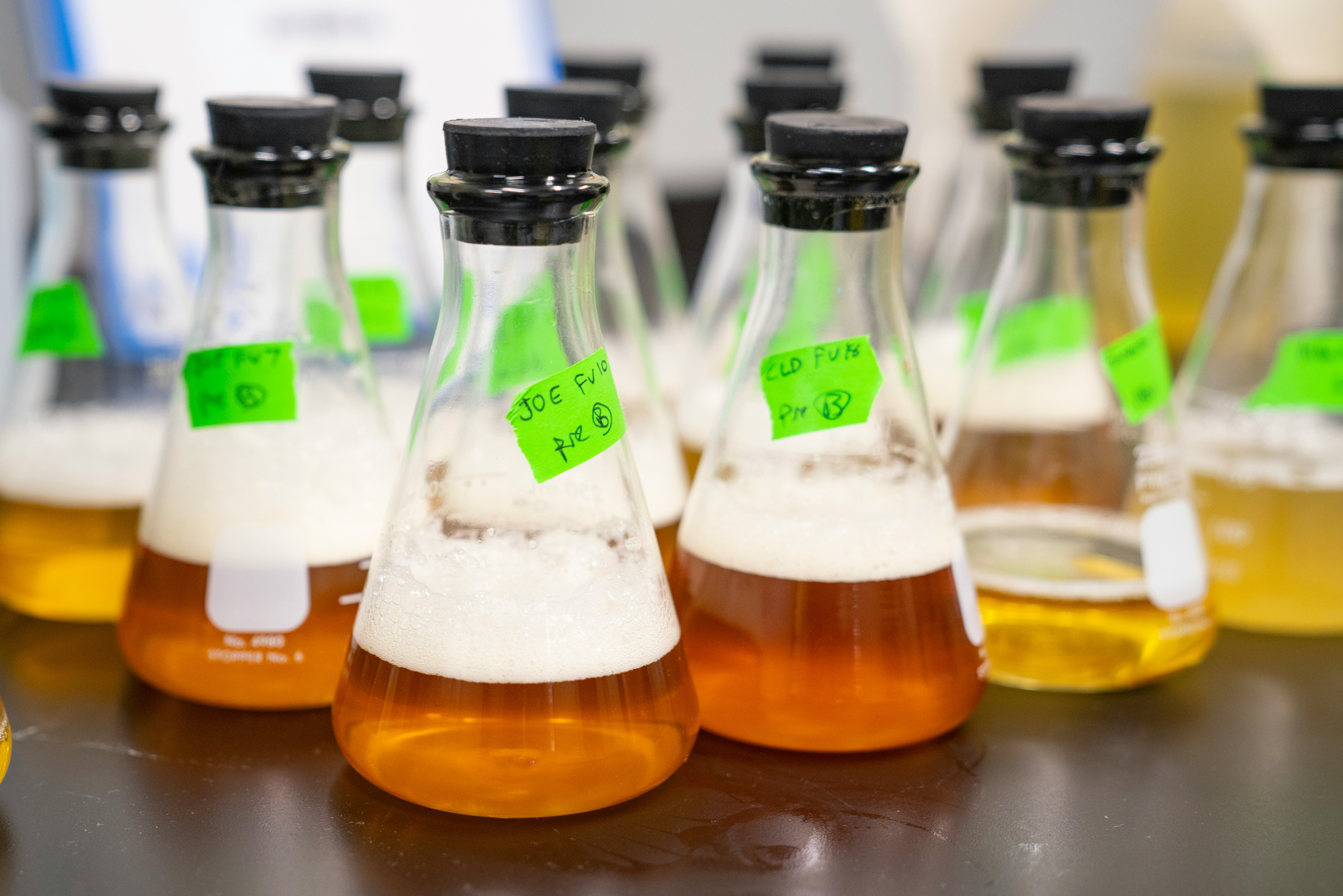
Fermentation: Microorganisms convert sugars and other biological feedstocks into chemicals such as ethanol, lactic acid and succinic acid.
Biochemical conversion: Enzymes and biological processes transform biomass into useful chemical intermediates.
Chemical conversion: Biomass-derived oils, sugars and other compounds undergo chemical reactions to produce industrial chemicals.
Thermochemical processing: Processes such as gasification and pyrolysis convert biomass into intermediates that can be further processed into chemicals.
Extraction and purification: Naturally occurring compounds are separated from plant materials and other biological sources for industrial use.
Bio-based does not automatically mean biodegradable or environmentally harmless. A bio-based chemical may have the same molecular structure and performance as its fossil-derived equivalent, while its overall environmental benefits depend on feedstock sourcing, manufacturing energy, processing methods and end-of-life management.
Major Categories of Bio-Based Chemicals
1. Bio-Based Platform Chemicals
Platform chemicals are fundamental building blocks used to manufacture a wide range of industrial products.
Examples include:
Bioethanol: Used as a solvent, chemical intermediate and feedstock for other products.
Lactic acid: Used in food, pharmaceutical, cosmetic and biopolymer manufacturing.
Succinic acid: Used in the production of polymers, resins, coatings and speciality chemicals.
Bio-based acetic acid: Used in chemical synthesis, solvents and industrial formulations.
Furfural: Produced from lignocellulosic biomass and used in resins, solvents and chemical intermediates.
2. Bio-Based Solvents
Bio-based solvents are produced from renewable resources and can be used in selected industrial applications.
Examples include ethyl lactate, bio-based ethanol, limonene and selected ester-based solvents.
They are used in cleaning formulations, paints, coatings, adhesives, extraction, printing inks and pharmaceutical processing. Their performance and environmental profiles depend on the specific chemical, feedstock and manufacturing route.
3. Bio-Based Polymers and Plastic Intermediates
Bio-based chemicals are important feedstocks for manufacturing renewable polymers and plastic materials.
Examples include:
Polylactic acid (PLA), produced from lactic acid.
Polyhydroxyalkanoates (PHAs), produced through microbial processes.
Bio-based polyethylene, manufactured using bioethanol-derived ethylene.
Bio-based polyamides, produced using renewable chemical building blocks.
These materials create opportunities in packaging, automotive components, textiles, consumer goods and agricultural applications.
4. Bio-Based Surfactants
Bio-based surfactants are produced using renewable feedstocks such as vegetable oils, sugars and other biological materials.
They are used in detergents, household cleaners, personal care products, industrial cleaning and selected agricultural formulations.
Examples include alkyl polyglucosides and certain biosurfactants produced through microbial fermentation. Their commercial value depends on cleaning performance, formulation compatibility, production cost and supply consistency.
5. Bio-Based Specialty Chemicals
Speciality chemicals derived from biological resources serve applications requiring specific functional properties.
Examples include natural organic acids, bio-based plasticisers, fermentation-derived ingredients, speciality esters and selected biochemical intermediates.
These products can provide manufacturers with opportunities to target higher-value applications where customers place importance on product functionality, renewable sourcing or specific sustainability requirements.
Market Opportunities for Bio-Based Chemical Manufacturers
1. Growing Demand for Sustainable Industrial Materials
Manufacturers across several industries are reviewing their raw material sourcing strategies as sustainability targets become more important in procurement and product development.
Bio-based chemicals can support these efforts by providing renewable feedstock options for selected applications.
Potential demand comes from industries such as:
Packaging and plastics.
Pharmaceuticals and healthcare.
Cosmetics and personal care.
Agriculture and crop protection.
Textiles and synthetic fibres.
Paints, coatings and adhesives.
Household and industrial cleaning.
For chemical manufacturers, this creates opportunities to supply renewable intermediates, speciality ingredients and bio-based alternatives to established products.
2. Expansion of Bioplastics and Polymer Production
The growth of bio-based plastics creates opportunities for manufacturers producing lactic acid, succinic acid, bio-based ethylene and other polymer intermediates.
PLA and PHA production are examples of value chains that depend on biological feedstocks and specialised processing technologies.
Demand from packaging, consumer goods, agriculture and selected automotive applications may encourage further investment in polymer production and associated chemical intermediates.
However, bio-based content and biodegradability are separate characteristics. Manufacturers must clearly communicate the properties and disposal requirements of their materials.
3. Pharmaceutical and Personal Care Applications
Pharmaceutical and personal care manufacturers use a wide range of chemical ingredients, solvents, excipients and speciality intermediates.
Bio-based alternatives can create opportunities in selected applications where purity, functionality, regulatory compliance and renewable sourcing are important.
Potential products include fermentation-derived organic acids, bio-based solvents, speciality esters and naturally sourced chemical ingredients.
Manufacturers entering these markets must meet strict quality requirements, maintain batch consistency and provide appropriate technical documentation.
4. Agricultural Waste as an Industrial Feedstock
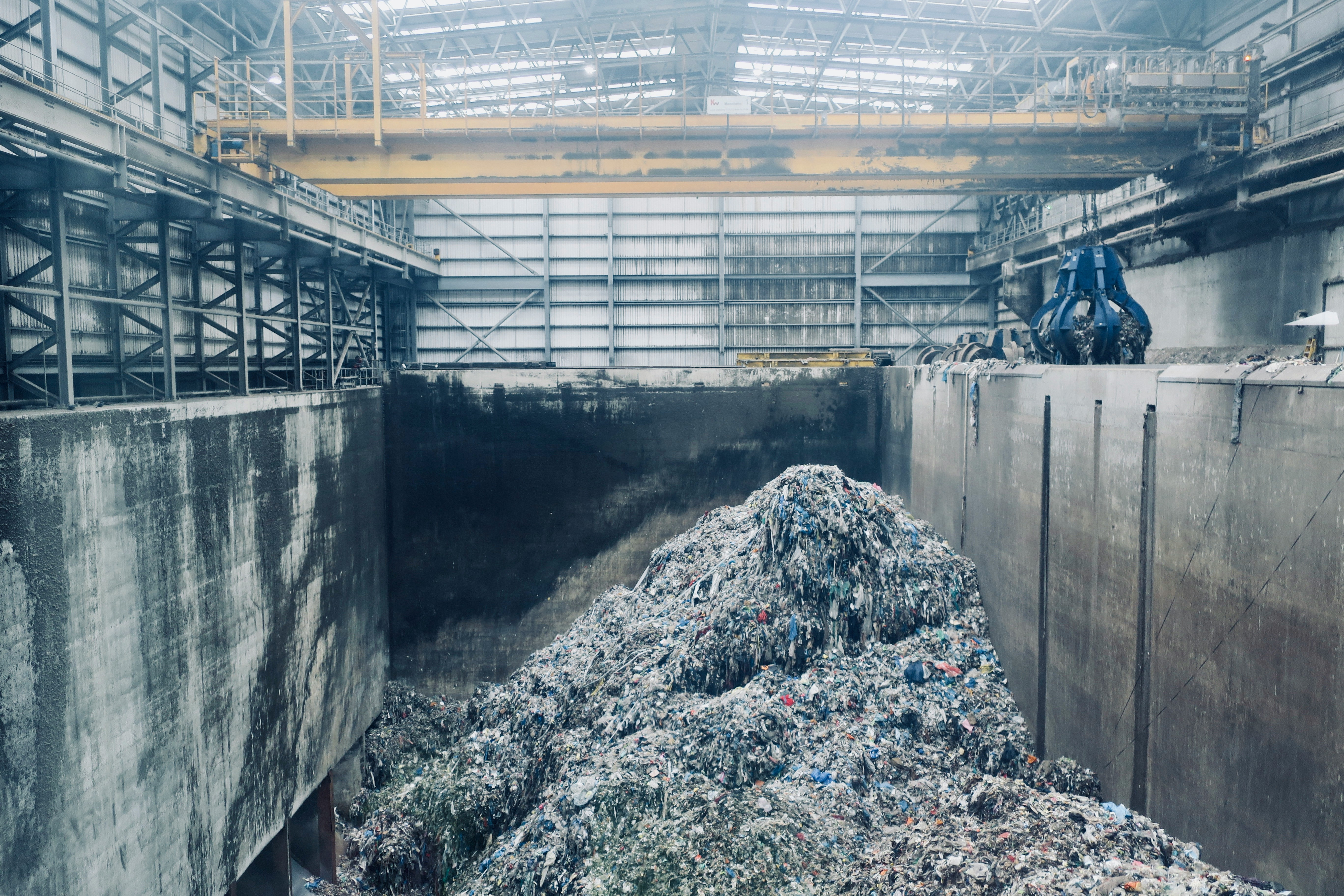
Agricultural residues offer an opportunity to convert underutilised biomass into valuable chemical products.
Potential feedstocks include:
Sugarcane bagasse.
Corn stover.
Rice husks and straw.
Wheat straw.
Fruit and vegetable processing residues.
Forestry and wood-processing waste.
These materials can be processed into sugars, organic acids, furfural, bio-based solvents and other chemical intermediates.
Using agricultural by-products may also help manufacturers reduce competition with food-related feedstocks. However, availability, collection costs, seasonal variation and transportation distances must be assessed before establishing production facilities.
5. Development of Integrated Biorefineries
Biorefineries process biomass into multiple products, including chemicals, materials, fuels and energy.
An integrated biorefinery can improve resource utilisation by converting different biomass fractions into separate value streams. For example, agricultural residues may be processed into fermentable sugars, chemical intermediates and energy products.
For manufacturers, this approach offers opportunities to diversify revenue sources and improve the economics of biomass utilisation.
Investment in pretreatment, fermentation, separation and purification technologies will be important for developing commercially competitive facilities.
6. Regional Manufacturing and Feedstock Diversification
Countries with established agricultural, forestry and food-processing industries may have opportunities to develop bio-based chemical manufacturing around locally available feedstocks.
This can create commercial opportunities for:
Agricultural processing companies.
Chemical manufacturers.
Biotechnology developers.
Industrial equipment suppliers.
Feedstock aggregators.
Chemical distributors.
Regional production may also help diversify supply chains and reduce dependence on imported fossil-based intermediates, although local infrastructure and market demand must support the investment.
Global Market Developments and Industry Trends
The bio-based chemicals industry is receiving increased attention from manufacturers, governments and investors as companies explore ways to expand renewable feedstock use.
A July 2026 report from the Bio-based Industries Consortium (BIC) highlighted the gap between the scale of Europe's chemical industry and its current bio-based production. The report described bio-based chemicals as relevant to sectors including cosmetics, construction and crop protection, while identifying barriers that continue to limit wider industrial adoption.
The European Commission's biobased industry initiative also identifies financing gaps between demonstration and commercialisation as important obstacles. Its programme focuses on expanding manufacturing capacity, supporting demonstration infrastructure and encouraging demand through industrial purchasing commitments. The initiative identifies investment needs of €1–2 billion and an ambition to mobilise €10 billion in bio-based material and product offtake commitments by 2030.
In January 2026, Chemical & Engineering News reported that policy uncertainty was affecting investment decisions in the US bio-based chemicals sector. The report also described companies developing new technologies and production routes using sustainable feedstocks.
Research published in 2026 on South Africa's bio-based chemicals market identified bioethanol, lactic acid and acetic acid among the products with commercial potential. The research also highlighted barriers including product pricing, feedstock logistics, limited infrastructure, financing and policy implementation.
Together, these developments indicate that the market opportunity extends beyond developing new molecules. Commercial growth will also depend on establishing reliable feedstock networks, industrial-scale facilities and long-term purchasing arrangements.
Major Challenges Facing Bio-Based Chemical Manufacturers
1. High Production Costs
One of the main barriers to commercial expansion is the cost of producing bio-based chemicals.
Conventional petrochemical facilities often benefit from established infrastructure, large production volumes and mature supply chains. New bio-based facilities may face higher costs related to feedstock preparation, pretreatment, fermentation, purification and specialised equipment.
These costs can make it difficult for bio-based products to compete with conventional alternatives, particularly in commodity chemical markets where customers are highly price-sensitive.
2. Feedstock Availability and Price Fluctuations
Bio-based chemical manufacturing depends on a reliable supply of biological raw materials.
Agricultural feedstocks can be affected by seasonal production, weather conditions, crop yields and competing uses. Food, animal feed, bioenergy and other industries may compete for the same biomass resources.
Manufacturers using agricultural residues must also consider collection, storage, transportation, moisture content and preprocessing requirements.
Long-term sourcing agreements and diversified feedstock strategies can help reduce supply uncertainty.
3. Technology Scale-Up and Production Efficiency
Processes that perform successfully in laboratories may not achieve the same results at commercial scale.
Fermentation and biochemical conversion processes can face challenges related to microbial stability, contamination, yield, productivity and process control.
Manufacturers must also develop efficient downstream operations for separation, purification and product recovery. These stages can represent a substantial part of overall production costs.
Investment in pilot facilities, demonstration plants and process optimisation is therefore essential before large-scale commercial deployment.
4. Competition with Petrochemical Products
Conventional chemical products benefit from mature manufacturing infrastructure and established customer relationships.
Bio-based alternatives must compete on price, performance, reliability and product specifications. Customers may be interested in renewable materials but may not accept significant price premiums unless the product offers measurable technical or commercial advantages.
Manufacturers therefore need to demonstrate clear value through product performance, supply reliability, regulatory suitability or verified environmental benefits.
5. Limited Infrastructure and Supply Chain Development
Many bio-based chemical production routes require specialised infrastructure for biomass handling, pretreatment, fermentation, purification and storage.
In regions where the bioeconomy is still developing, limited access to these facilities can increase project costs and delay commercialisation.
Supply chains may also involve multiple stakeholders, including farmers, biomass processors, technology providers, chemical manufacturers and end users. Coordination between these participants is important for achieving reliable production volumes.
6. Financing and Investment Uncertainty
Building commercial bio-based chemical facilities requires significant capital investment.
Investors may be reluctant to finance projects that depend on emerging technologies, uncertain feedstock prices or markets that have not yet developed sufficient demand.
Financing challenges can be particularly difficult during the transition from demonstration-scale production to full commercial operation.
Long-term offtake agreements, industrial partnerships, technology licensing and supportive public financing mechanisms can help reduce some of these risks.

7. Sustainability Verification and Regulatory Requirements
Bio-based claims must be supported by credible information about feedstock origin, production methods and environmental performance.
Manufacturers may need to address requirements related to product composition, chemical safety, biodegradability claims, life-cycle assessment, renewable content and supply-chain traceability.
A product derived from biomass is not necessarily low-carbon or biodegradable. Independent certification and transparent documentation can help buyers assess the actual sustainability characteristics of a product.
Strategies for Improving Commercial Competitiveness
Manufacturers can strengthen their position in the bio-based chemicals market through a combination of technology development, feedstock management and commercial planning.
Diversify feedstock sources: Using a combination of agricultural residues, forestry waste, food-processing by-products and other suitable biomass can reduce dependence on a single raw material.
Focus on higher-value products: Speciality chemicals and performance-driven intermediates may offer more attractive opportunities than competing directly in low-margin commodity markets.
Invest in process optimisation: Improving fermentation yields, conversion efficiency, separation and purification can help reduce production costs.
Develop industrial partnerships: Collaboration with feedstock suppliers, biotechnology companies, chemical producers and end users can support technology development and market access.
Secure long-term offtake agreements: Contractual purchasing commitments can provide greater demand visibility and improve the financial case for new production facilities.
Adopt life-cycle assessment: Evaluating environmental impacts from feedstock production through manufacturing and end-of-life management can help identify genuine sustainability benefits and areas for improvement.
Use existing industrial infrastructure: Where technically suitable, integrating bio-based processes into existing chemical facilities may reduce capital requirements and accelerate commercialisation.
Opportunities for Chemical Distributors and Industrial Buyers
The expansion of bio-based chemical production also creates opportunities beyond manufacturing.
Chemical distributors can develop sourcing networks for bio-based solvents, organic acids, surfactants, polymer intermediates and speciality ingredients.
Industrial buyers can evaluate renewable alternatives as part of their procurement and product-development strategies. This may involve testing alternative raw materials, reviewing supplier certifications and assessing the impact of substitution on existing manufacturing processes.
For both distributors and buyers, important considerations include:
Product specifications and consistency.
Renewable feedstock content.
Manufacturing capacity and supply reliability.
Technical documentation and safety data.
Price competitiveness and contract terms.
Environmental certification and traceability.
Compatibility with existing production processes.
A reliable supply chain and verified product performance will be important for building long-term commercial relationships.
Sources:
https://www.biconsortium.eu/publication/bic-report-bio-based-chemicals?
Methanol
Found this useful?