Chemical Recycling: Technologies for Recovering Value from Plastic Waste
Chemical Recycling: Technologies for Recovering Value from Plastic Waste
Plastic waste has become a major challenge for the global manufacturing and chemical industries. Packaging, automotive components, electronics, textiles and consumer products generate large volumes of discarded plastics, much of which is difficult to recycle through conventional mechanical processes. Mixed polymers, food contamination, additives, multilayer packaging and material degradation can limit the quality and reuse potential of mechanically recycled plastics.
Chemical recycling is gaining attention as a complementary approach to managing plastic waste. Instead of simply melting and reshaping discarded materials, these technologies use chemical, thermal or solvent-based processes to recover polymers, monomers, hydrocarbons and other valuable chemical feedstocks.
For chemical manufacturers, refiners and recycling companies, this creates opportunities to convert selected plastic waste streams into secondary raw materials for industrial production. However, the commercial success of these technologies depends on feedstock quality, process efficiency, energy consumption, product recovery and the economics of competing with virgin materials.
What Is Chemical Recycling?
Chemical recycling refers to a group of technologies that transform plastic waste into chemical building blocks, feedstocks or other recoverable materials through chemical or thermochemical processing.
Depending on the technology, the output may include:
Monomers that can be used to manufacture new polymers.
Hydrocarbon oils and gases for further refining.
Chemical intermediates for industrial manufacturing.
Synthesis gas (syngas), which can be processed into fuels and chemicals.
Recovered polymer materials with properties suitable for selected applications.
Chemical recycling is particularly relevant to certain waste streams that are difficult to process mechanically. It does not eliminate the need for collection, sorting and waste prevention. In many cases, conventional mechanical recycling remains more established and can require less processing energy for suitable, clean plastic streams.
Major Chemical Recycling Technologies
1. Pyrolysis
Pyrolysis is a thermochemical process that heats plastic waste in the absence of oxygen or under oxygen-limited conditions. Depending on the feedstock and operating conditions, the process breaks down polymer chains into smaller hydrocarbon molecules.
The main products can include:
Pyrolysis oil.
Hydrocarbon gases.
Waxes and other condensable products.
Carbon-rich solid residues.
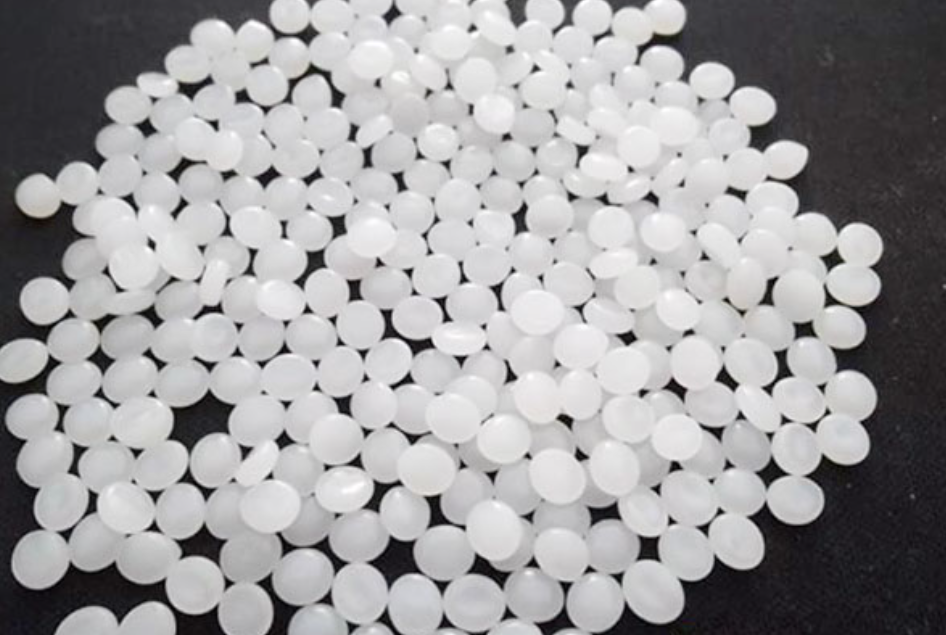
Pyrolysis is particularly relevant to polyolefin-rich waste streams, including polyethylene (PE) and polypropylene (PP).
Industrial applications
Pyrolysis oil may be upgraded and processed in suitable refinery or petrochemical systems to produce feedstocks for chemical manufacturing. Depending on its composition and quality, it can be used as an input for producing olefins, aromatics and other hydrocarbon-based products.
Key challenges
The quality of pyrolysis oil can vary according to the plastic feedstock. Contaminants, chlorine-containing materials, additives and mixed polymers can complicate processing and upgrading. Facilities may also require substantial energy input, gas treatment and residue management.
2. Depolymerization
Depolymerization breaks polymer chains into smaller molecules, potentially recovering the original monomers or other useful chemical intermediates.
This approach is especially suitable for polymers with chemical bonds that can be selectively broken under controlled reaction conditions.
Common target materials include:
Polyethylene terephthalate (PET).
Polyamides such as nylon.
Polystyrene (PS).
Polyurethane (PU), through selected chemical recovery routes.
PET recycling applications
PET can be chemically processed through hydrolysis, glycolysis and methanolysis.
Hydrolysis: Uses water to break ester bonds and recover products such as terephthalic acid and ethylene glycol.
Glycolysis: Uses glycols to convert PET into intermediate products, including bis(2-hydroxyethyl) terephthalate (BHET).
Methanolysis: Uses methanol to break down PET and produce compounds such as dimethyl terephthalate and ethylene glycol.
Recovered monomers or intermediates can be purified and used to manufacture new PET, subject to appropriate process and product specifications.
Industrial opportunities
Depolymerization can support the recovery of chemical building blocks from selected polyester and polyamide waste streams. It is particularly relevant where manufacturers want to return recovered materials to polymer production rather than convert them into lower-value products.
3. Gasification
Gasification converts carbon-containing materials into synthesis gas, commonly called syngas, through reactions at high temperatures with a controlled supply of oxygen, steam or both.
Syngas mainly contains carbon monoxide and hydrogen, with other gases depending on the feedstock and operating conditions.
The recovered gas can be used as a feedstock for producing:
Methanol.
Hydrogen.
Synthetic fuels.
Other chemical intermediates.
Gasification can process a wider range of carbon-containing waste materials than some selective recycling processes. However, mixed waste streams require careful preparation and gas cleaning.
Key challenges
Gasification facilities need high-temperature equipment and effective treatment systems to remove contaminants and unwanted gases. The overall environmental and economic performance depends on energy requirements, gas conversion efficiency and the final use of syngas.
4. Solvent-Based Dissolution and Purification
Solvent-based dissolution uses selected solvents to dissolve specific polymers while leaving other materials, contaminants or unwanted components behind. The polymer can then be recovered through precipitation, solvent removal or other separation techniques.
Unlike depolymerization, dissolution generally aims to preserve the polymer's molecular structure rather than break it into monomers. For this reason, it is often classified separately from chemical depolymerization and may be described as physical or solvent-based recycling, depending on the classification system.
Potential applications include the treatment of:
Multilayer packaging.
Mixed plastic waste.
Selected engineering plastics.
Contaminated polymer streams.
Plastic products containing additives or coatings.
The recovered polymer may retain properties closer to those of the original material than conventional mechanical recycling can achieve in certain applications.
Key challenges
Solvent selection, recovery efficiency, polymer degradation, solvent losses and contamination control all influence process performance. Industrial facilities must also manage solvent safety, emissions and wastewater.
5. Hydrothermal Liquefaction
Hydrothermal liquefaction uses water at elevated temperatures and pressures to convert selected waste materials into liquid products.
In plastic recycling research, it is being investigated as a route for processing certain polymers and mixed waste streams into hydrocarbon-rich products and chemical intermediates.
Potential benefits include the ability to process some wet or complex feedstocks without the same drying requirements as conventional thermal processes.
However, product composition, reaction efficiency, equipment requirements and the need for downstream upgrading remain important commercial considerations.
6. Catalytic Recycling and Upcycling
Catalytic recycling uses catalysts to control the breakdown or transformation of plastic polymers. Catalysts can influence reaction rates, product distribution and the chemical properties of recovered products.
Examples include:
Catalytic pyrolysis.
Hydrogenolysis.
Hydrocracking.
Selective depolymerization.
Tandem catalytic conversion processes.
Catalytic methods are being studied to improve product selectivity and produce more valuable chemicals under potentially less demanding conditions than some conventional thermochemical processes.
Which Plastic Types Can Be Chemically Recycled?
Different recycling technologies are suitable for different polymer structures. The chemical composition of the plastic determines which processes can recover useful materials.
Plastic type | Common applications | Potential recycling route | Possible recovered products |
|---|---|---|---|
PET | Bottles, packaging, textiles | Hydrolysis, glycolysis, methanolysis | Terephthalic acid, BHET, ethylene glycol |
PE | Films, containers, packaging | Pyrolysis, gasification | Hydrocarbon oils, gases, syngas |
PP | Packaging, automotive parts | Pyrolysis, gasification | Hydrocarbon oils, gases, syngas |
PS | Packaging, insulation | Depolymerization, pyrolysis | Styrene and other hydrocarbons |
PA6 | Textiles, carpets, engineering plastics | Depolymerization | Caprolactam |
PU | Mattresses, insulation, automotive components | Glycolysis and other solvolysis routes | Polyols and chemical intermediates |
The suitability of each route depends on the polymer grade, additives, contamination level and process configuration. Mixed plastics may require sorting, pretreatment or additional purification before processing.
Industrial Applications of Recovered Materials
1. Petrochemical and Refinery Feedstocks
Recovered hydrocarbon oils from pyrolysis and other thermochemical processes can be considered for further processing in suitable refinery and petrochemical systems.
After appropriate treatment and upgrading, these materials may contribute to the production of chemical feedstocks used in plastics and other industrial products.
For manufacturers, this creates opportunities to incorporate recovered carbon into established chemical production systems, provided that feedstock quality and processing requirements are met.
2. New Plastic and Polymer Manufacturing
Recovered monomers from depolymerization can be used as raw materials for manufacturing new polymers.
PET recycling is a key example because its chemical building blocks can be recovered through selected depolymerization processes and used in further polymer production.
This approach can support circular material flows by returning recovered chemical components to polymer manufacturing.
3. Chemical Intermediate Production
Chemical recycling can generate products that serve as intermediates for the production of solvents, fuels, resins and other industrial chemicals.
Syngas from gasification, for example, can be processed into methanol and other products through established chemical conversion routes.
The commercial value depends on the purity, composition and consistency of the recovered feedstock.
4. Automotive and Engineering Materials
Automotive manufacturing uses plastics in dashboards, interior components, insulation, bumpers and other parts.
Chemical recycling can provide alternative sources of polymer feedstocks for selected applications. Recovered monomers and purified polymers may be suitable for manufacturing new materials when they meet technical and regulatory requirements.
5. Packaging and Consumer Goods
Packaging is one of the major applications for plastic materials and a significant source of post-consumer waste.
Chemical recycling technologies may help recover materials from selected packaging waste streams that are difficult to recycle mechanically, including certain multilayer and contaminated materials.
The use of recovered materials in new packaging depends on product quality, process validation and applicable food-contact or other regulatory requirements.
Global Market Developments and Industry Trends
The chemical recycling sector is evolving as researchers and industrial companies work to improve process efficiency, expand feedstock compatibility and develop commercially viable recovery systems.
A January 2026 review published in RSC Sustainability examined recent advances in solvent-based dissolution, chemical depolymerization and thermochemical conversion. It discussed technologies such as pyrolysis, hydrothermal liquefaction, hydrocracking, hydrogenolysis and gasification, with attention to recovering monomers, naphtha-range hydrocarbons, syngas and other products.
In September 2026, a systematic review published in Environmental Technology & Innovation assessed 50 studies on plastic recycling pathways. It compared technological readiness with environmental performance and identified mechanical recycling as a mature route for suitable waste streams, while selective chemical recycling methods continue to require optimisation and scale-up.
Research published in Nature Reviews Materials in 2026 also highlighted the need for selective recycling technologies capable of handling complex plastic waste. The review examined solvent-based recycling and depolymerization as potential approaches for recovering materials from mixed and contaminated streams.
The US Environmental Protection Agency describes advanced recycling technologies as processes that can convert plastic waste into purified polymers, monomers, chemical feedstocks or fuels. Its overview includes pyrolysis, hydrothermal treatment, gasification and depolymerization.
These developments show that chemical recycling is not a single technology but a collection of processes with different feedstock requirements, products and levels of industrial maturity.
Benefits of Chemical Recycling
Recovery of Valuable Raw Materials
Chemical recycling can recover monomers, hydrocarbons and chemical intermediates from selected plastic waste streams. These products may serve as inputs for new manufacturing processes.
Treatment of Difficult Waste Streams
Some chemical recycling technologies can process plastic waste that is too contaminated, mixed or complex for conventional mechanical recycling, although pretreatment and sorting may still be necessary.
Support for Circular Manufacturing
By returning recovered materials to chemical and polymer production, chemical recycling can help establish additional pathways for using plastic waste as an industrial resource.
Potential Integration with Existing Infrastructure
Certain recovered feedstocks may be processed in existing petrochemical or refinery systems after suitable upgrading and quality assessment. This can create opportunities to connect recycling facilities with established industrial operations.
Development of New Industrial Markets
The sector creates potential business opportunities for technology providers, chemical manufacturers, waste-management companies, catalyst suppliers and industrial service providers.
Challenges Facing the Chemical Recycling Industry
1. High Capital and Operating Costs
Chemical recycling facilities require specialised equipment, reactors, separation systems, purification units and emissions-control infrastructure.
High capital expenditure can make project development difficult, particularly where waste collection systems and reliable feedstock supplies are not established.
Operating costs can also be influenced by energy consumption, chemical reagents, catalyst replacement, solvent recovery and residue treatment.
2. Plastic Waste Sorting and Contamination
Plastic waste is rarely uniform. It may contain different polymers, dyes, fillers, adhesives, food residues, labels and other contaminants.
These materials can affect reaction performance, product quality and equipment reliability. Effective sorting and pretreatment are therefore important even for technologies designed to process complex waste.
3. Energy Consumption and Environmental Performance
Some chemical recycling processes require high temperatures, elevated pressures or energy-intensive separation operations.
Their environmental benefits depend on the energy source, process efficiency, transport requirements, emissions, waste treatment and the products recovered.
Chemical recycling should therefore be assessed through life-cycle analysis rather than assumed to be environmentally beneficial in every application.
4. Product Quality and Purification
Recovered oils, monomers and chemical intermediates may contain impurities that prevent their direct use in manufacturing.
Additional refining, filtration, distillation, decontamination or chemical purification may be required. These steps add cost and can affect the overall material recovery rate.
5. Technology Scale-Up
A process that performs successfully at laboratory scale may face technical and economic challenges at commercial scale.
Industrial deployment requires reliable operation, consistent product quality, manageable maintenance costs and sufficient waste supply.
Catalyst durability, reactor performance, process control and continuous operation are important factors in determining commercial readiness.
6. Regulatory and Certification Requirements
Chemical recycling projects must comply with applicable waste-management, environmental, emissions and chemical-safety requirements.
Manufacturers may also need to demonstrate the origin and quantity of recovered material in products. Mass-balance accounting systems can help track recycled feedstock through complex manufacturing processes, but accepted methods and claims depend on the relevant regulatory and certification framework.
How Manufacturers Can Evaluate Chemical Recycling Technologies
Choosing a suitable recycling route requires an assessment of both the waste stream and the intended recovered product.
Manufacturers and project developers should consider:
Feedstock composition: Identify the polymer types, additives, contamination levels and moisture content.
Technology compatibility: Match the waste stream with a suitable process, such as pyrolysis, depolymerization, gasification or solvent-based dissolution.
Product requirements: Define the required purity, composition and quality of the recovered monomers, oils or chemical intermediates.
Process efficiency: Evaluate conversion, material recovery, energy consumption and purification requirements.
Environmental performance: Review emissions, wastewater, residue generation and life-cycle impacts.
Economic feasibility: Compare capital investment, operating costs, feedstock expenses and expected product value.
Market access: Identify customers and industrial facilities capable of using the recovered materials.
Regulatory compliance: Confirm applicable permits, product standards, traceability requirements and recycling-content claims.
A detailed technical and economic assessment can help companies avoid investing in technologies that are unsuitable for their local waste composition or downstream market.
Sources:
High Density Polyethylene (HDPE)
Found this useful?