Styrene Market Outlook: Applications in Plastics and Synthetic Rubber
Styrene Market Outlook: Applications in Plastics and Synthetic Rubber
Styrene is an important petrochemical building block used in the production of plastics, synthetic rubber, and several industrial materials. This aromatic liquid monomer is primarily manufactured through the dehydrogenation of ethylbenzene and serves as a key raw material for polystyrene (PS), expandable polystyrene (EPS), acrylonitrile butadiene styrene (ABS), and styrene-butadiene rubber (SBR).
Its importance comes from the wide range of properties it helps deliver in finished materials, including rigidity, impact resistance, lightweight construction, and flexibility. These characteristics make styrene-based products valuable across packaging, automotive manufacturing, construction, electronics, consumer goods, and footwear.
As of 2026, the styrene market is influenced by changing petrochemical trade flows, regional production capacity, feedstock costs, and demand from downstream industries. Asia-Pacific remains particularly important because of its large manufacturing base and expanding petrochemical industry.
Major Applications of Styrene in Plastics
1. Polystyrene (PS)
Polystyrene is one of the major derivatives of styrene. It is used in disposable food containers, packaging trays, cups, protective packaging, household products, and consumer goods. General-purpose polystyrene offers rigidity and clarity, while high-impact polystyrene is designed for applications requiring greater impact resistance.
2. Expandable Polystyrene (EPS)
EPS is widely used in building insulation, protective packaging, appliance transportation, and construction products. Its lightweight structure and cushioning properties make it useful for protecting fragile goods and supporting thermal insulation.
3. Acrylonitrile Butadiene Styrene (ABS)
ABS is an engineering plastic known for its strength, toughness, and processing flexibility. It is used in automotive interiors, electrical housings, appliances, electronic equipment, and consumer products. Demand from automotive and electronics manufacturing supports its importance in the styrene value chain.
4. Unsaturated Polyester Resins (UPR)
Styrene is used as a reactive monomer in many unsaturated polyester resin formulations. These resins are used in fiberglass-reinforced products, construction materials, marine components, storage tanks, and industrial composites.
Styrene Applications in Synthetic Rubber
1. Styrene-Butadiene Rubber (SBR)
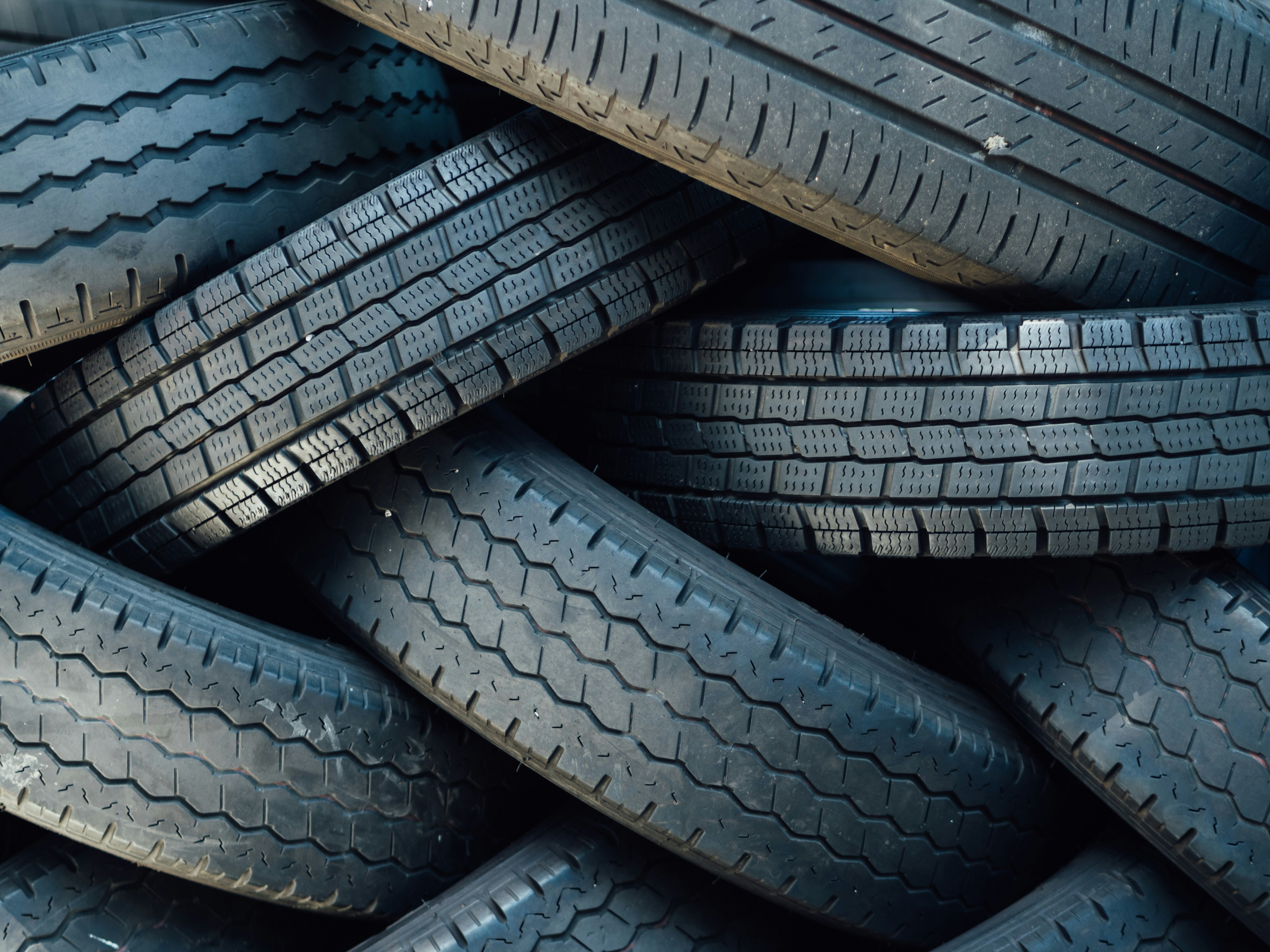
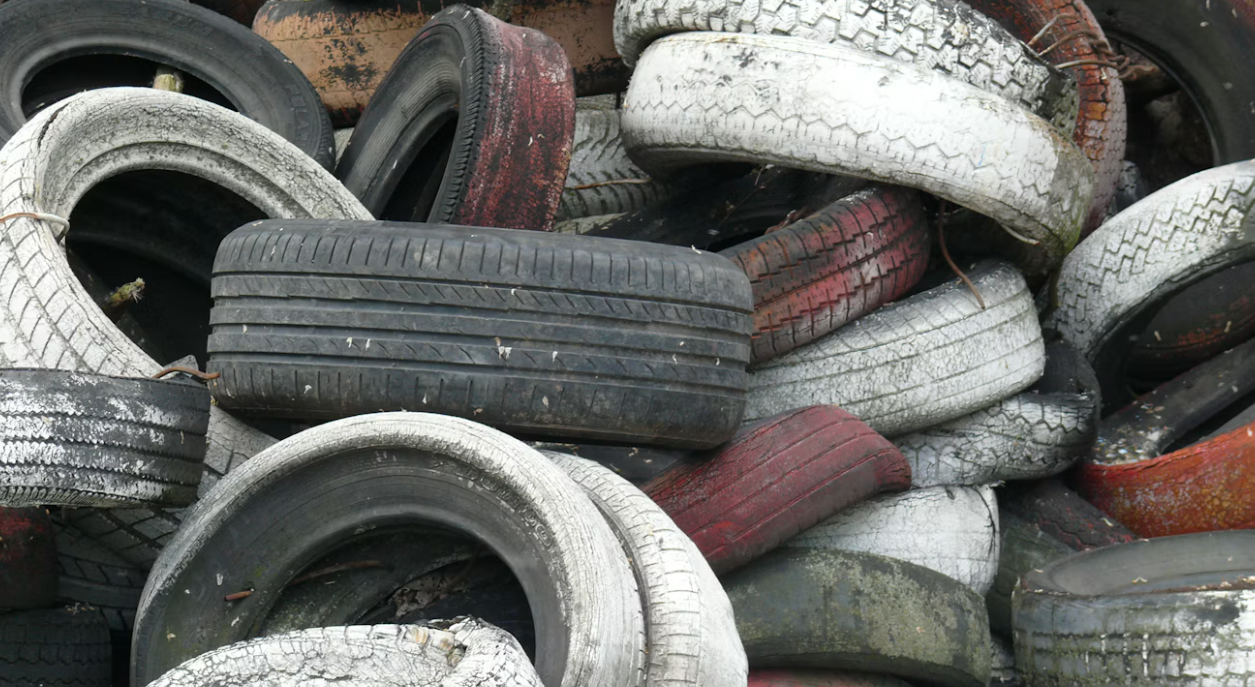
SBR is an important synthetic rubber produced using styrene and butadiene. It is widely used in vehicle tires, footwear soles, conveyor belts, and various rubber goods. Its abrasion resistance and durability make it suitable for applications exposed to repeated friction and wear.
2. Styrene-Butadiene Latex (SBL)
Styrene-butadiene latex is used in paper coatings, carpet backing, adhesives, and selected construction applications. It helps improve surface properties, bonding performance, and durability in finished products.
These derivative categories form important parts of the global styrenics industry.
Key Industries Driving Styrene Demand
Styrene demand is closely connected to industries that use its derivatives in large-scale manufacturing.
End-use industry | Main styrene-based materials | Applications |
|---|---|---|
Packaging | PS, EPS | Food containers, protective packaging, foam trays |
Automotive | ABS, SBR | Interior components, dashboards, tires |
Construction | EPS, UPR, SBR latex | Insulation, composites, coatings |
Electronics | ABS, PS | Appliance housings, equipment enclosures |
Footwear | SBR | Soles and flexible rubber components |
Paper and textiles | Styrene-butadiene latex | Paper coatings and carpet backing |
Consumer goods | PS, ABS | Household products and molded components |
Packaging remains a major outlet for polystyrene and EPS, while automotive and electronics applications support demand for ABS and synthetic rubber.
Styrene Market Outlook for 2026
The styrene market in 2026 presents a mixed picture. Demand from packaging, automotive, construction, and consumer manufacturing continues to support downstream consumption. However, producers are also dealing with capacity pressure, uneven economic conditions, and changes in international trade.
Several developments are shaping the market:
1. Asia-Pacific remains a major production and consumption hub
China and other Asian economies play an important role in styrene production and downstream manufacturing. The region's large plastics, packaging, automotive, and electronics industries provide a substantial market for styrene derivatives.
2. Capacity growth and oversupply pressure
Earlier capacity additions, particularly in China, have increased competition among producers. In October 2026, industry reporting indicated that Chinese styrene capacity expansion had slowed amid weak domestic demand, persistent losses, and lower operating rates. This suggests that additional capacity alone does not guarantee stronger market performance.
3. Automotive demand supports ABS and synthetic rubber
Automotive manufacturing remains an important source of demand for ABS and SBR. Vehicle interiors, molded components, tires, and other rubber products depend on these materials. Industry outlook reporting identifies automotive demand as a supportive factor for these downstream segments.
4. International trade flows are changing
China's styrene exports reached record levels in 2026, reflecting changing regional supply patterns and the country's growing role in international chemical trade. Export availability can influence competition and purchasing decisions in other Asian markets.
5. Feedstock costs continue to influence margins
Styrene production economics are closely linked to benzene and ethylene prices, as well as energy and operating costs. When raw material costs rise faster than styrene selling prices, producers can face pressure on their margins. This can influence operating rates, supply availability, and pricing negotiations.
Factors Affecting Styrene Prices and Supply
For manufacturers, importers, and distributors, several factors influence styrene purchasing costs and market availability.
Benzene and ethylene prices: Changes in feedstock costs directly affect production economics.
Crude oil and energy markets: Oil and energy price movements can influence petrochemical manufacturing expenses.
Plant operating rates: Maintenance, shutdowns, and production cuts can tighten regional supply.
Downstream demand: Changes in packaging, automotive, construction, and electronics production affect derivative consumption.
International trade: Freight costs, import duties, export volumes, and regional supply disruptions influence landed prices.
Currency movements: Exchange-rate fluctuations can affect procurement costs for import-dependent markets.
Buyers should monitor these factors when negotiating contracts and planning inventory. Market conditions can differ significantly between regions, so international price trends should not automatically be treated as local market prices.
Styrene Market Opportunities in Pakistan
Pakistan's styrene market is closely connected to its demand for imported petrochemical materials and downstream plastics and rubber products. Local manufacturers and distributors serving packaging, construction, footwear, automotive-related products, and consumer goods may require styrene-based polymers and resins.
An important consideration is the country's reliance on imports for styrene-related supply. This makes international prices, freight charges, exchange rates, and port logistics important factors in procurement planning. A 2026 Pakistan market report identifies polystyrene, EPS, ABS, SBR, and unsaturated polyester resin as relevant downstream product categories.
Prices, Size, Forecast, and Companies
Potential buyer groups include:
Plastic resin manufacturers and processors
Packaging material manufacturers
EPS insulation and protective packaging producers
Automotive component manufacturers
Synthetic rubber and tire manufacturers
Footwear manufacturers
Fiberglass and composite product manufacturers
Chemical importers and industrial distributors
For Pakistani buyers, comparing imported raw materials and finished styrene-based products may help identify suitable procurement opportunities.
Sustainability and Future Developments
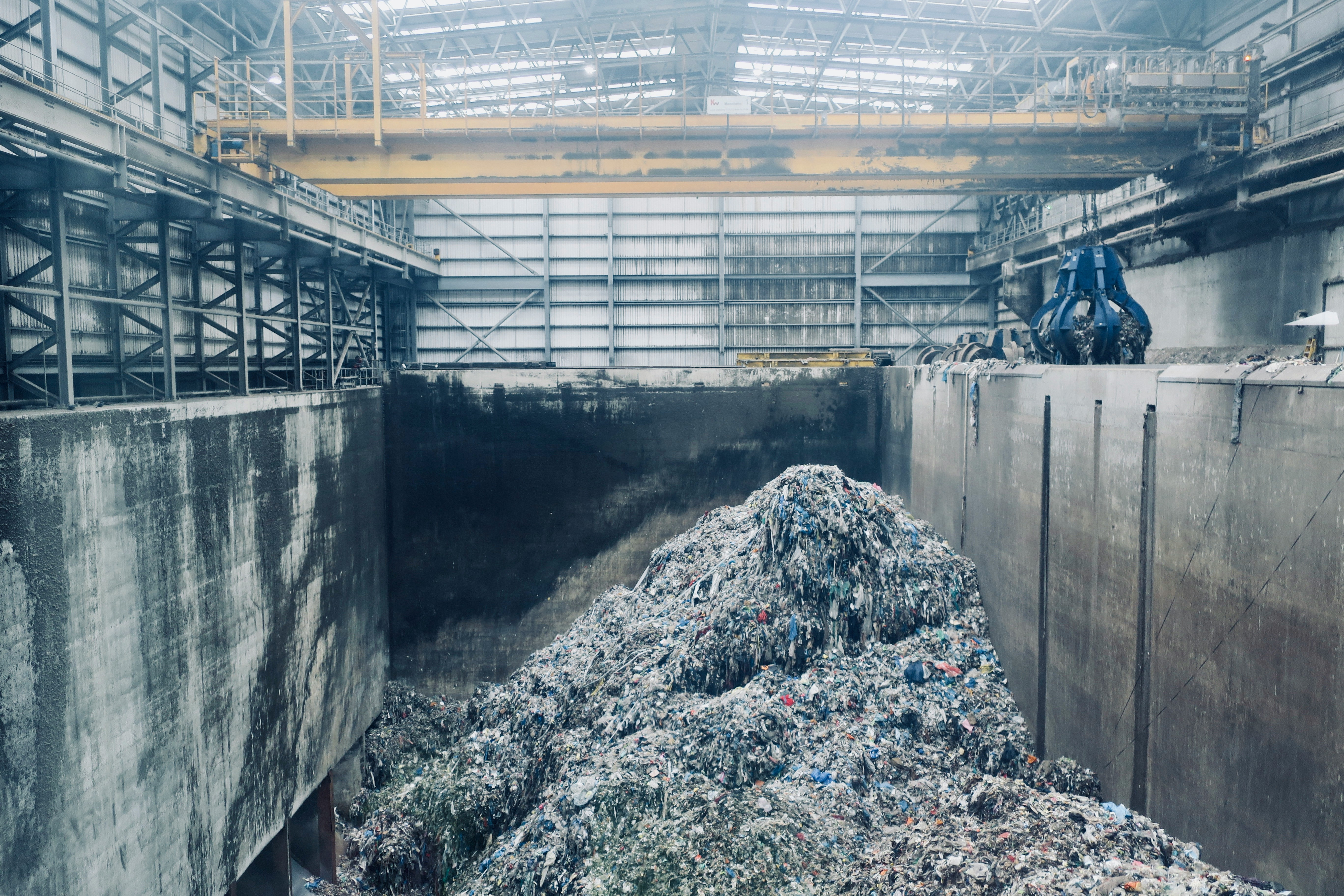
The styrenics industry is also exploring ways to reduce environmental impact through improved recycling technologies, material recovery, and alternative production approaches.
Chemical recycling is attracting attention because it can potentially break certain plastic materials down into chemical feedstocks for reuse. This may create opportunities to recover styrene-related materials and support circular production models. However, commercial scalability, collection systems, processing costs, and regulatory approval remain important considerations.
Manufacturers are also exploring lightweight materials, improved product designs, and recycling-friendly packaging to respond to changing customer and regulatory expectations.
https://www.indexbox.io/store/pakistan-styrene-market-analysis-forecast-size-trends-and-insights/?
Found this useful?