Ports Under Fire: Why Pharma Ingredient Logistics Risk Now Extends Beyond Shipping Lanes
For years, pharma procurement teams have planned for the obvious risk: a vessel gets delayed, a shipping lane closes, freight rates spike. You add buffer time and move on.
That playbook doesn't work anymore.
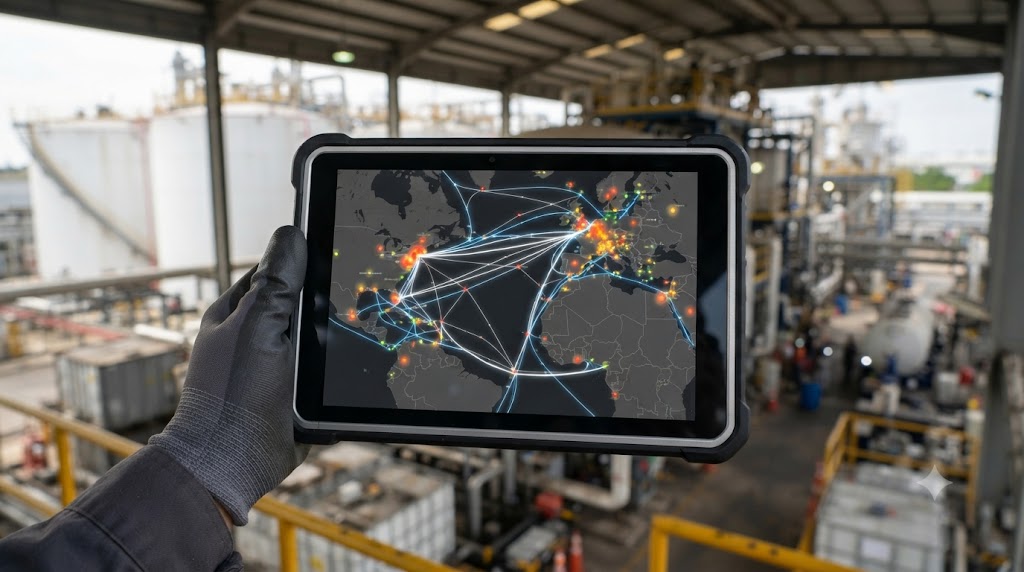
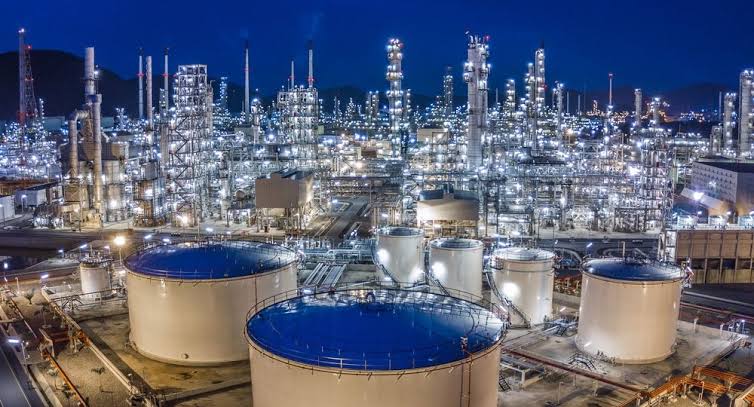
When a conflict expands from open water to the infrastructure around the water — the ports, the bridges that connect ports to warehouses, the power utilities that keep cold storage running — the risk changes completely. It's no longer about a shipment being late. It's about a shipment having nowhere to land, no power to stay stable, and no road to reach you.
For buyers of APIs, KSMs, and high-purity excipients, this is the moment to rethink logistics.
1. The New Risk: It's Not the Sea, It's the Shore
A ship can be rerouted. Infrastructure cannot.
In the last few days, we've seen the pattern shift clearly:
Port operations are degraded, not just delayed. Even when a port is technically open, damage to cranes, fuel depots, or customs systems reduces its throughput by 50-70%. Your container might arrive, but it can sit for 8-12 days before it gets unloaded.
The last mile is broken. A pharma ingredient might land in a safe country, but if the bridge or rail link connecting that port to the industrial zone is compromised, trucks are forced into 300-400km detours. For temperature-sensitive materials like Enzymes, Probiotics, or certain Amino Acids, that extra transit time is a stability risk.
Utilities are the hidden bottleneck. Cold storage warehouses, testing labs, and repackaging units at ports need constant power. Intermittent outages due to utility infrastructure hits mean power fluctuations, failed temperature loggers, and rejected batches on arrival. We've already had buyers report COA failures not from manufacturing, but from storage at transit hubs.
This is why pharma ingredient logistics risk has moved from a freight problem to an infrastructure problem.
2. What This Means for Your Next 60 Days of API & Excipient Buying
If your sourcing plan still assumes "port to port" reliability, you need a "port to plant" contingency.
Here is how proactive pharma procurement heads are adjusting right now on our platform:
They are asking for landing port options, not just FOB price. Instead of asking "What is your FOB Mumbai price?", they are asking "Can you deliver CIF to Jebel Ali and to Aqaba, with warehouse confirmation?" Having two viable discharge ports is now standard.
They are prioritizing GDP-certified and power-backed storage. For sensitive ingredients like Montelukast Intermediate, Metformin HCl, or Magnesium Stearate, buyers are specifically requesting suppliers who hold stock in facilities with generator backup and 24/7 temperature monitoring. A CoA is no longer enough; a warehouse power log is becoming part of due diligence.
They are pre-clearing documentation. With port systems under strain, a single missing COO, GMP certificate, or stability data file can leave your material stranded for weeks. Smart buyers are getting document sets pre-approved before the vessel even sails.
3. How to De-Risk Your Supply Chain Without Overhauling It
You don't need to find 10 new API suppliers this week. You need to add resilience to the suppliers you already trust.
On our B2B marketplace, you can now filter pharma ingredient suppliers by:
In-stock location with cold-chain confirmation - not just manufacturing country
Alternate dispatch ports they can ship from
Ready documentation - GMP, CEP, DMF access, and stability data available upfront
If you have a critical API or excipient shipment due in the next month, talk to us before it ships. We can help you validate the entire shore-side route — port, warehouse, power backup, and inland transport — not just the sea leg.
Post your critical requirement today and we’ll connect you with verified sellers who have compliant stock already positioned outside high-risk infrastructure zones.