The Hormuz Crisis and Its Ripple Effects
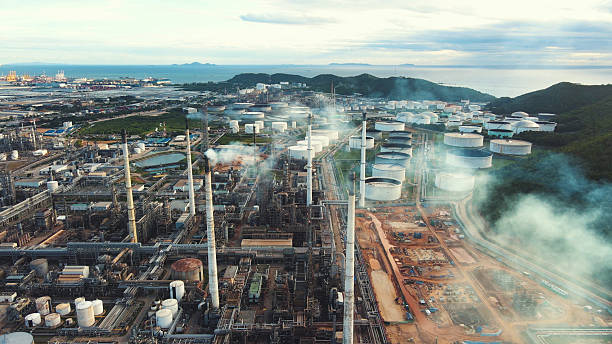
In early 2024, geopolitical tensions in the Persian Gulf led to a sharp spike in crude oil exports through the Strait of Hormuz. The resulting volatility in crude prices cascaded into a shortage of petrochemical feedstocks worldwide. Companies dependent on virgin polymers faced production delays, cost spikes, and supply chain uncertainty.
While the crisis seemed to target traditional petrochemicals, it inadvertently highlighted the untapped potential of post‑consumer recycled feedstocks. By redirecting the focus from new raw materials to recovered chemicals, industries could mitigate disruption risks and align with sustainability imperatives.
Post‑Consumer Chemical Recovery: A Resilient Alternative
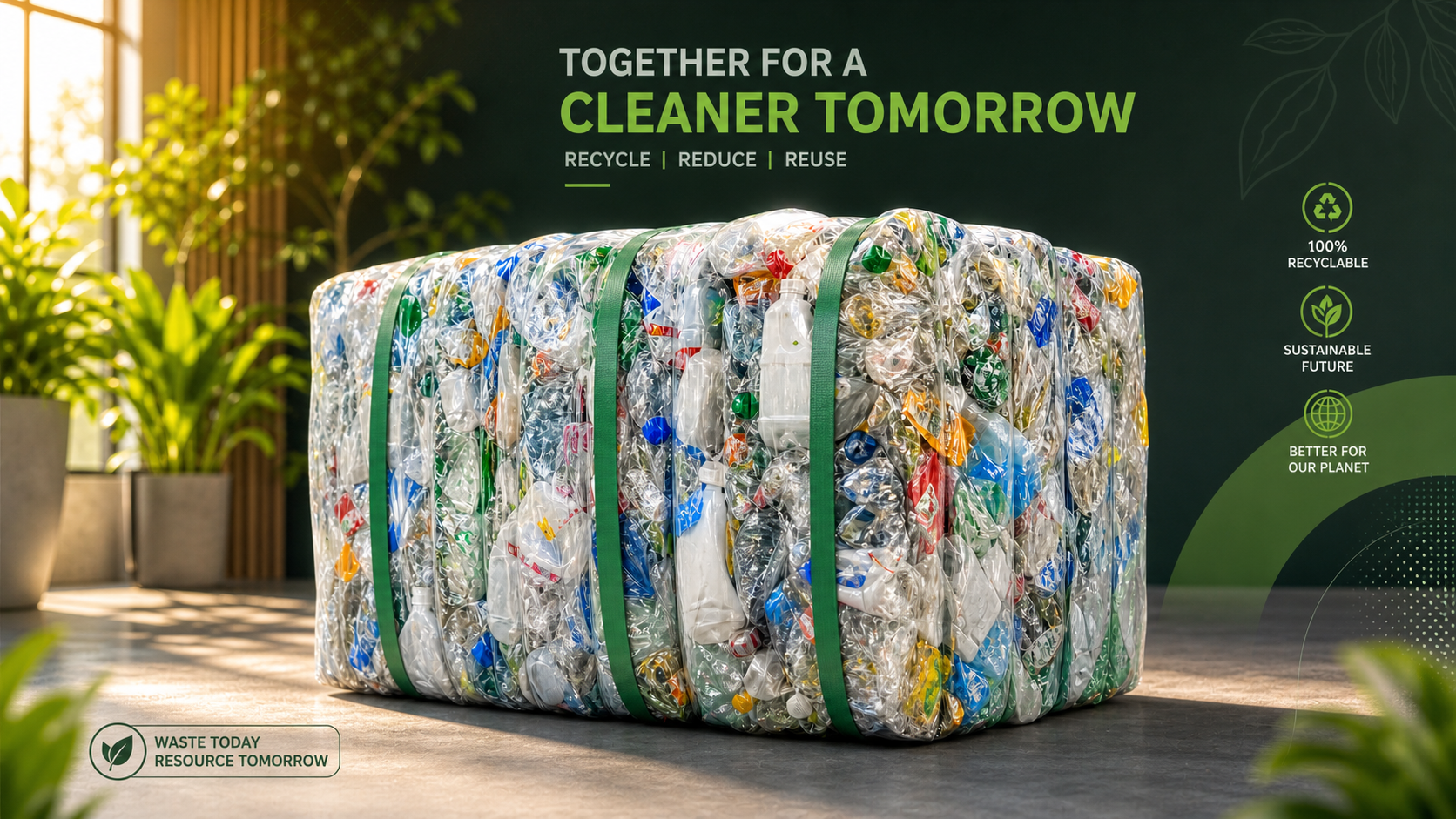
Post‑consumer chemical recovery (PCCR) refers to the process of extracting valuable monomers and oligomers from discarded polymers. Unlike mechanical recycling, which often degrades polymer quality, chemical recycling can restore the feedstock to its original monomeric state, enabling high‑purity manufacturing.
Key Advantages of PCCR
Reduced Dependency on Petrochemicals: By sourcing feedstocks from waste streams, companies cut their reliance on volatile crude oil markets.
Consistent Quality: Chemical recycling yields monomers with specifications comparable to virgin materials, ensuring product performance.
Scalable Production: Modular PCCR plants can be deployed regionally, allowing for rapid response to supply disruptions.
Domestic Circular Feedstocks: Strengthening the Supply Chain
Domestic sourcing of recycled polymers offers strategic advantages. Local collection and processing reduce logistics costs, lower carbon footprints, and foster regulatory compliance.
Case Study: U.S. PCCR Initiative
Collection: Municipal waste programs gather PET and HDPE packaging.
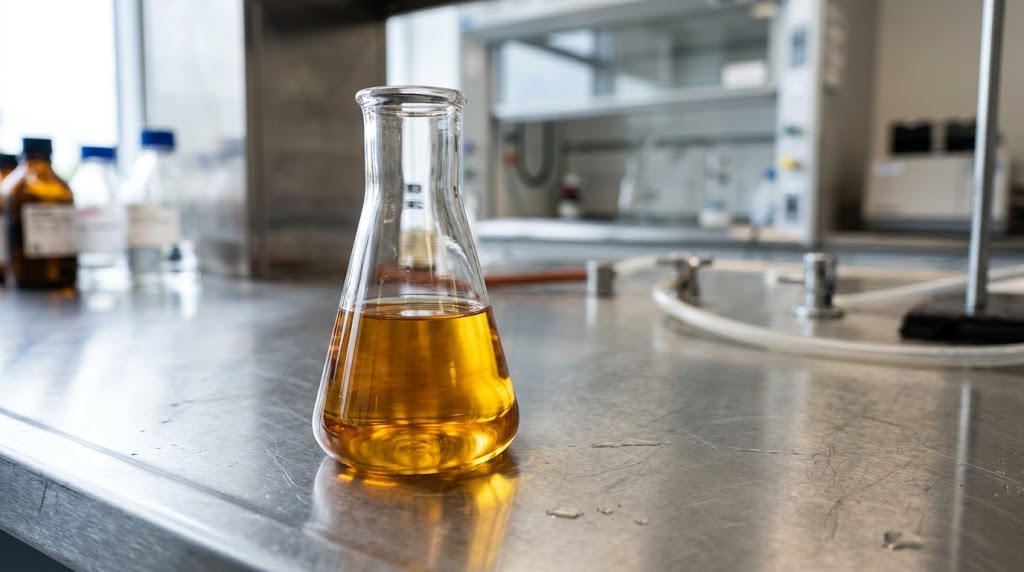
Processing: State‑of‑the‑art depolymerization units convert polymers into monomers.
Re‑polymerization: Industries incorporate reclaimed monomers into new products, closing the loop.
Result: A resilient domestic circular supply chain that buffers against international disruptions.
Impact on Sustainable Procurement
Sustainable procurement policies increasingly mandate the use of recycled content. PCCR enables manufacturers to meet these targets without compromising on quality or cost.
Waste Diversion: Diverting plastics from landfills to the circular economy mitigates environmental harm.
Regulatory Alignment: Compliance with upcoming EU and U.S. circular economy directives becomes attainable.
Challenges and Opportunities
Despite its promise, PCCR faces technical and economic hurdles. Feedstock contamination, limited scale, and high capital costs are notable barriers.
Emerging Solutions
Advanced Sorting: AI‑powered sorting improves feedstock purity.
Economies of Scale: Public‑private partnerships can lower entry costs.
Policy Incentives: Tax credits for recycled content encourage adoption.
By addressing these challenges, the sector can unlock the full potential of domestic circular feedstocks, reinforcing supply chain resilience while advancing chemical sustainability.
The Hormuz crisis underscored that supply chain resilience hinges on diversification. Post‑consumer chemical recovery, backed by domestic circular feedstocks, offers a robust strategy to navigate geopolitical shocks, reduce procurement risk, and accelerate the transition to a circular economy.