Potash Prices and Canada's Swing Producer Role in the Global MOP Market
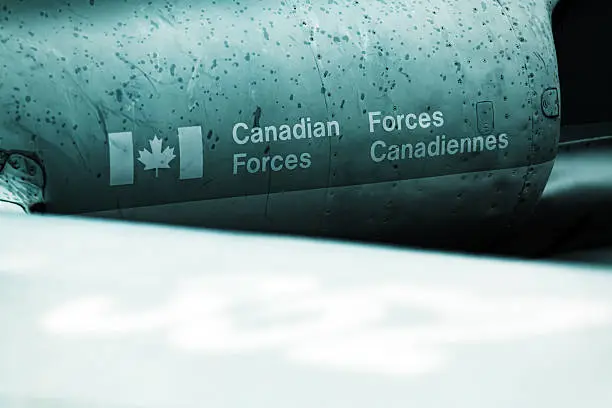
Potash Prices and Canada's Swing Producer Role: Why MOP Stays Comparatively Insulated from Middle East Risk
Introduction
Geopolitical tensions in the Middle East often trigger volatility across global commodity markets, affecting energy, shipping, and industrial raw materials. However, the global Muriate of Potash (MOP) market has remained comparatively resilient despite these disruptions. One of the primary reasons is Canada's dominant position in global potash production and exports.
As the world's largest potash exporter, Canada plays the role of a swing producer, capable of increasing or stabilizing supply when global markets face uncertainty. This supply leadership helps reduce the direct impact of Middle East disruptions on MOP availability and pricing, providing greater stability for fertilizer buyers and agricultural supply chains.
What Is MOP?
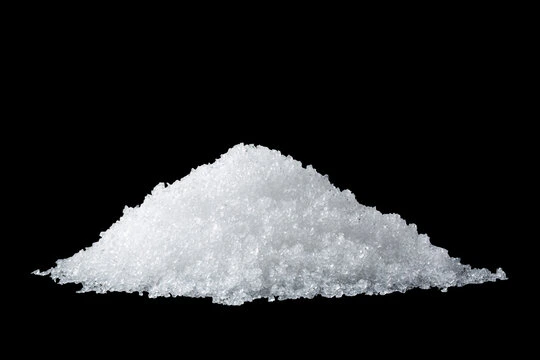
Muriate of Potash (MOP), also known as potassium chloride (KCl), is the most widely used potassium fertilizer in global agriculture. Potassium is an essential nutrient that improves plant growth, water regulation, disease resistance, and crop quality.
MOP is commonly used in:
Wheat production
Corn and maize cultivation
Soybean farming
Rice production
Sugar crops
Oilseeds and various horticultural crops
Because global food production depends heavily on potash fertilizers, maintaining a stable supply is critical for agricultural productivity.
Canada's Dominance in the Global Potash Market
Canada accounts for a significant share of global potash exports, with large-scale mining operations located primarily in Saskatchewan. The country's abundant reserves, modern mining infrastructure, and reliable export logistics enable it to supply international markets consistently.
Canada's leadership provides several advantages:
Large and long-life potash reserves.
High production capacity with room for output adjustments.
Reliable mining and transportation infrastructure.
Strong export connections through major ports.
Stable regulatory and political environment.
These strengths allow Canadian producers to respond more effectively when global supply conditions tighten.
Understanding the Swing Producer Role
A swing producer is a supplier capable of adjusting production to help balance market supply and demand.
In the potash market, Canadian producers can:
Increase production when international demand rises.
Offset supply shortages from other exporting regions.
Help stabilize global fertilizer availability.
Reduce extreme price volatility during market disruptions.
This flexibility gives the global fertilizer market greater resilience compared to commodities concentrated in geopolitically sensitive regions.
Why MOP Is Less Exposed to Middle East Risk
Unlike oil, natural gas, or some petrochemicals, global MOP supply is not heavily dependent on Middle Eastern production.
Several factors contribute to its relative insulation:
Canadian Supply Dominance
A large proportion of internationally traded MOP originates from Canada, reducing reliance on suppliers located in conflict-prone regions.
Diversified Export Routes
Canadian potash is exported through well-established North American transportation networks and multiple international shipping routes.
Stable Production Environment
Canadian mining operations face fewer geopolitical risks compared to producers located in politically unstable regions.
Long-Term Supply Contracts
Many fertilizer importers secure long-term agreements with Canadian suppliers, improving procurement stability.
Factors That Still Influence Potash Prices
Although Middle East tensions have a relatively limited direct impact on MOP supply, several other factors continue to influence pricing.
These include:
Global agricultural demand.
Crop prices and farmer profitability.
Mining production levels.
Freight and shipping costs.
Currency exchange rates.
Energy and fuel prices.
Weather-related impacts on fertilizer demand.
Procurement teams should monitor these market drivers alongside geopolitical developments.
Procurement Strategies for Fertilizer Buyers
Organizations purchasing potash can strengthen supply security through proactive procurement planning.
Recommended strategies include:
Maintain Supplier Diversification
Even with Canada's dominant position, sourcing from multiple qualified suppliers reduces concentration risk.
Monitor Freight Costs
Transportation expenses remain an important component of total landed cost, particularly for international buyers.
Secure Long-Term Supply Agreements
Forward contracts can improve pricing stability and ensure product availability during periods of increased demand.
Track Agricultural Demand Trends
Understanding seasonal planting cycles and fertilizer consumption patterns helps optimize purchasing decisions.
Evaluate Total Landed Cost
Procurement decisions should consider product price, freight, insurance, duties, storage, and logistics expenses rather than focusing solely on the purchase price.
Market Outlook
The global MOP market is expected to remain relatively stable compared to many other fertilizer segments, supported by Canada's strong production capacity and established export infrastructure. While short-term price fluctuations may occur due to freight costs, agricultural demand, or currency movements, the overall supply outlook remains more resilient than markets that rely heavily on geopolitically sensitive regions.
As global food demand continues to grow, Canada's role as the world's leading swing producer will remain essential in supporting fertilizer availability and reducing supply disruptions.
Conclusion
Canada's position as the dominant global potash exporter provides an important stabilizing force for the MOP market. Unlike commodities that depend heavily on Middle Eastern production, MOP benefits from a diversified and politically stable supply base, making it comparatively insulated from regional geopolitical risks.
For fertilizer importers, distributors, and agricultural businesses, maintaining diversified sourcing strategies, monitoring freight and demand trends, and focusing on total landed cost will remain key to managing procurement risks and ensuring a reliable potash supply in an evolving global market.
Acesulfame Potassium (E950)
Found this useful?