Potassium Carbonate: Applications in Glass, Soap and Chemical Manufacturing
Potassium carbonate is a versatile inorganic chemical that supports several manufacturing industries, particularly glass production, soap manufacturing and chemical processing. Its strong alkaline properties, high water solubility and ability to supply potassium make it valuable in industrial formulations that require controlled chemical reactions and consistent product performance.
For chemical traders, procurement managers and industrial buyers, potassium carbonate offers opportunities across specialty glass, detergents, ceramics, food processing and other chemical manufacturing segments. Understanding its technical properties, commercial grades and supplier requirements helps businesses make better purchasing decisions and maintain reliable production operations.
What Is Potassium Carbonate and How Is It Produced?
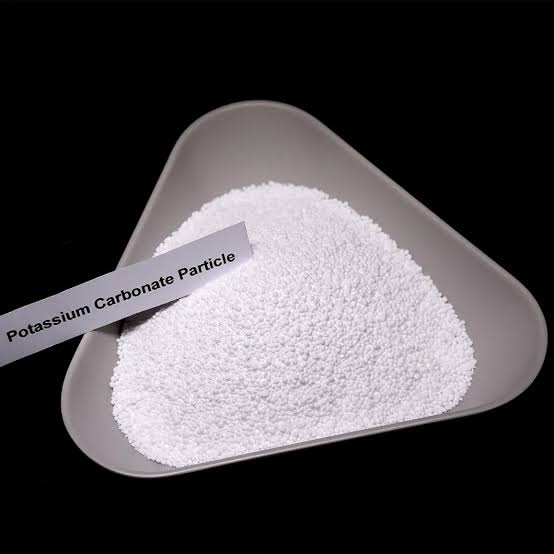
Potassium carbonate (K₂CO₃), also known as potash or pearl ash, is a white, odourless and highly water-soluble inorganic salt. It produces an alkaline solution when dissolved in water, making it useful in manufacturing processes that require pH adjustment or an alkaline chemical input.
Commercial potassium carbonate is available in anhydrous powder, granular and liquid forms. Its hygroscopic nature means that solid material absorbs moisture from the surrounding air, so manufacturers and distributors must maintain suitable storage conditions.
Manufacturing Processes
Modern manufacturers primarily produce potassium carbonate through the reaction of potassium hydroxide with carbon dioxide. This process creates potassium carbonate and water, followed by purification, concentration and drying where required.
The chemical reaction is:
\[ 2KOH + CO_2 \rightarrow K_2CO_3 + H_2O \]
Another production route involves potassium chloride-based processes, which use intermediate potassium compounds to obtain the final carbonate product.
Manufacturers select production methods according to raw material availability, plant capabilities and product specifications. The final processing stages determine whether the product meets requirements for fine powder, granular material or liquid industrial applications.
Important Technical Properties
Several properties explain why potassium carbonate serves such a wide range of industrial applications:
High alkalinity: Supports pH adjustment and alkaline chemical formulations.
Water solubility: Dissolves readily, making it suitable for liquid processing systems.
Moisture absorption: Its hygroscopic characteristics require moisture-resistant packaging.
Potassium content: Provides a potassium source for manufacturing other potassium-based compounds.
Thermal stability: Its high melting point supports applications involving elevated processing temperatures.
These characteristics make potassium carbonate a useful alternative to other alkaline chemicals when a manufacturing process specifically requires potassium rather than sodium.
Potassium Carbonate Applications in Glass Manufacturing
Glass manufacturing represents one of the important industrial markets for potassium carbonate. Producers use it as a source of potassium oxide (K₂O), which modifies the composition and properties of specialised glass formulations.
Adding potassium compounds to glass batches can influence optical characteristics, thermal behaviour and processing performance. Manufacturers select the appropriate formulation according to the intended glass product.
Specialty and Optical Glass
Specialty glass manufacturers use potassium carbonate in formulations for optical glass, laboratory glassware and other products requiring specific physical properties.
Potassium oxide can influence the refractive characteristics and chemical composition of glass. These properties make potassium carbonate relevant to manufacturers producing specialised glass products rather than relying exclusively on conventional soda-lime formulations.
Glassware and Industrial Applications
Other applications include selected lighting glass, technical glass and laboratory products. Manufacturers adjust potassium carbonate quantities alongside silica and other raw materials to achieve the required glass composition.
For procurement teams, product consistency is particularly important because variations in chemical composition can affect manufacturing performance.
Buyers should evaluate:
Potassium carbonate purity and potassium oxide equivalent.
Moisture content and insoluble impurities.
Particle size and dissolution characteristics.
Consistency between production batches.
Packaging suitability for bulk glass manufacturing operations.
Reliable specifications help glass manufacturers maintain predictable batch formulations and reduce production interruptions.
Role of Potassium Carbonate in Soap and Detergent Manufacturing
Potassium carbonate plays an important role in soap and cleaning product manufacturing because of its alkaline properties. It can support formulation processes that require alkalinity and contribute potassium to chemical reactions.
Liquid Soap Production
Potassium-based alkalis are particularly relevant to liquid and soft soap manufacturing. Potassium carbonate can contribute alkalinity in formulations and certain processing routes, although potassium hydroxide remains the more direct alkali for conventional fat saponification.
Manufacturers may use potassium carbonate in selected soap formulations, intermediate preparation and pH adjustment processes.
The choice of chemical depends on the formulation, required consistency and manufacturing conditions.
Detergents and Industrial Cleaners
Cleaning product manufacturers can use potassium carbonate as an alkaline ingredient in selected detergent and cleaning formulations.
Its functions may include:
Supporting alkaline cleaning conditions.
Helping formulate liquid cleaning products.
Contributing to pH adjustment.
Supporting removal of certain oily and acidic residues in suitable formulations.
Providing an alkaline component in industrial cleaning preparations.
Industrial buyers should compare potassium carbonate with sodium carbonate and potassium hydroxide according to formulation requirements. Each chemical has different handling characteristics, costs and performance implications.
Chemical Manufacturing and Other Industrial Applications
Beyond glass and soap production, potassium carbonate supports several chemical manufacturing processes. Its role as an alkaline reagent and potassium source makes it valuable for producing specialised chemical compounds.
Production of Potassium-Based Chemicals
Chemical manufacturers use potassium carbonate as a raw material or intermediate in producing other potassium salts. These compounds serve industries including agriculture, pharmaceuticals, food processing and specialty chemical manufacturing.
Potential downstream products include selected potassium phosphates, potassium persulfates and other inorganic potassium compounds.
The chemical also supports reactions where manufacturers require a potassium-containing alkaline material.
Dyes, Pigments and Textile Processing
The textile and colour manufacturing sectors use potassium carbonate in selected dyeing and processing applications. Its alkaline properties help create suitable chemical conditions for certain manufacturing operations.
Dye and pigment producers may also use it in selected formulations and intermediate chemical processes.
Gas Purification and Industrial Processing
Potassium carbonate solutions can absorb carbon dioxide and other acidic gases under suitable operating conditions. This makes the chemical useful in selected gas purification systems, including processes involving natural gas and industrial gas streams.
Manufacturers must control solution concentration and operating conditions to maintain efficient gas treatment performance.
Food Processing and Specialised Manufacturing
Food-grade potassium carbonate has applications in specific food processing operations. One example is the alkalisation of cocoa powder, commonly known as Dutch processing, which changes cocoa acidity and influences its colour and flavour characteristics.
However, food-grade potassium carbonate requires appropriate purity and compliance with applicable food additive standards. Industrial-grade material should not be substituted for food-grade products.
Global Potassium Carbonate Supply and Market Dynamics
Global potassium carbonate procurement depends on industrial consumption, manufacturing capacity, raw material availability and international logistics. Demand comes from several sectors, including specialty glass, soap and detergents, ceramics, food processing and chemical manufacturing.
Unlike chemicals with a single dominant end-use market, potassium carbonate serves a diversified industrial customer base. This creates purchasing opportunities for chemical distributors supplying different manufacturing segments.
Major Producing and Supplying Markets
China is an important participant in the international potassium carbonate supply chain. Its chemical manufacturing industry provides sourcing opportunities for international buyers seeking industrial and specialised grades.
Other relevant manufacturing markets include Japan, Thailand, Europe and North America. Suppliers in these regions serve customers requiring different product specifications, packaging arrangements and delivery formats.
INEOS, for example, offers anhydrous potassium carbonate and liquid solutions for applications including specialty glass, soaps, detergents and chemical manufacturing. AGC also identifies production facilities in Japan and Thailand.
INEOS KOH+1
Factors Influencing International Demand
Several industrial developments can influence potassium carbonate purchasing requirements:
Specialty glass production: Demand from optical and technical glass manufacturers supports the need for potassium-based raw materials.
Cleaning product manufacturing: Soap and detergent producers require reliable alkaline ingredients for their formulations.
Chemical processing: Manufacturers producing potassium compounds create additional demand for industrial-grade material.
Food processing: Approved food-grade potassium carbonate serves specialised processing requirements.
Regional manufacturing activity: Changes in industrial production can influence import demand and distributor purchasing volumes.
For international traders, understanding these customer segments helps identify potential markets and build supplier relationships around specific application requirements.
Factors Affecting Potassium Carbonate Prices
Potassium carbonate prices depend on production costs, raw material availability, product grade and transportation expenses. Buyers should assess these factors before comparing quotations from different suppliers.
Raw Material and Energy Costs
Potassium hydroxide and carbon dioxide play important roles in common commercial production routes. Changes in potassium hydroxide availability, energy expenses and manufacturing costs can influence the final product price.
Production efficiency and plant operating conditions also affect supplier competitiveness.
Grade, Purity and Physical Form
Potassium carbonate is available in different commercial specifications. Anhydrous products, granular material and liquid solutions may carry different production, handling and transportation costs.
Buyers should consider the following specifications:
Potassium carbonate concentration or purity.
Moisture content.
Insoluble matter.
Particle size and granulation.
Colour and physical appearance.
Packaging and batch consistency.
For liquid products, concentration must be considered when calculating the actual amount of potassium carbonate supplied per shipment.
Packaging and Transportation
Solid potassium carbonate absorbs moisture, which makes packaging an important part of procurement planning.
Common packaging options include 25 kg bags and larger flexible intermediate bulk containers. Liquid products may require suitable chemical tanks, tank trucks or drums.
Importers should compare freight charges, container loading capacity, port handling costs and inland transportation before selecting a supplier.
Procurement, Storage and Quality Control Considerations
Purchasing potassium carbonate requires attention to product specifications, storage conditions and supplier documentation. A competitive quotation does not guarantee that the material will perform correctly in the buyer's manufacturing process.
Supplier Verification and Documentation
Before placing an order, procurement teams should request:
Certificate of Analysis (COA).
Safety Data Sheet (SDS).
Technical Data Sheet (TDS).
Product grade and concentration details.
Manufacturing origin and batch identification.
Packaging specifications and shipment information.
Buyers should also confirm whether the supplier can maintain consistent quality across repeat orders.
Proper Storage and Handling
Potassium carbonate can absorb atmospheric moisture and form a damp or liquid mass under humid conditions. Poor storage practices can create handling difficulties and affect the material's physical condition.
Recommended practices include:
Store products in dry and covered warehouses.
Keep bags and containers tightly sealed.
Protect shipments from rain and moisture exposure.
Avoid direct contact between packaging and wet floors.
Use suitable handling equipment for bulk material.
Follow SDS instructions and use appropriate protective equipment.
Workers should take care when handling powder because dust can irritate the eyes and respiratory system. Contact with concentrated alkaline solutions also requires appropriate precautions.
Regulatory and Application Requirements
Regulatory requirements depend on the product's intended use and destination market.
Food manufacturers must purchase suitable food-grade potassium carbonate and comply with relevant additive requirements. Glass, detergent and chemical manufacturers should verify industrial specifications and applicable chemical handling regulations.
For international shipments, importers should confirm the correct customs classification, product documentation and destination-country requirements before dispatch.
What Procurement Teams Should Prioritise in 2027
Potassium carbonate buyers can improve their sourcing strategies by focusing on supply reliability, application-specific quality and total purchasing costs.
Several priorities deserve attention:
Diversify suppliers: Maintain relationships with suppliers in different manufacturing regions to reduce dependence on a single source.
Match grade to application: Select suitable material for glass production, soap manufacturing, food processing or other industrial uses.
Compare active chemical content: Evaluate product purity and liquid concentration rather than comparing prices alone.
Secure consistent supply: Consider regular purchasing agreements when manufacturing operations require predictable deliveries.
Control storage conditions: Use moisture-resistant packaging and appropriate warehouse facilities to protect product quality.
Review landed costs: Include freight, insurance, customs duties and local delivery expenses when evaluating international quotations.
Chemical traders can also develop opportunities by supplying different customer segments. Specialty glass manufacturers may prioritise purity and batch consistency, while detergent producers may focus on formulation performance and cost efficiency.
Key Considerations for Global Potassium Carbonate Buyers
Potassium carbonate remains a valuable industrial chemical because it supports glass manufacturing, soap production and a broad range of chemical processing activities. Its alkaline properties and potassium content make it suitable for applications where manufacturers require specific chemical functionality.
For procurement managers and chemical distributors, successful sourcing depends on selecting the right grade, verifying supplier documentation and maintaining suitable storage conditions. Comparing international suppliers based on product quality, delivery reliability and total landed costs can strengthen purchasing decisions.
As industrial manufacturers continue to serve specialised markets, potassium carbonate offers opportunities for suppliers and traders who understand application requirements and maintain dependable sourcing networks.
Acesulfame Potassium (E950)
Found this useful?