Potassium Hydroxide: Uses in Chemical Manufacturing and Industrial Processing
Potassium Hydroxide: Uses in Chemical Manufacturing and Industrial Processing
Potassium hydroxide (KOH), commonly known as caustic potash, is an important inorganic chemical used across a wide range of industrial sectors. As a strong alkali, it plays a key role in chemical synthesis, petroleum refining, soap and detergent production, water treatment, battery manufacturing and fertilizer production. Its high alkalinity and ability to react with acids and other chemical compounds make it valuable in processes requiring pH adjustment, neutralisation, purification and the production of potassium-based chemicals.
Commercially available in liquid and solid forms, potassium hydroxide is supplied in different concentrations and grades depending on industrial requirements. Its versatility makes it an important raw material for manufacturers seeking reliable alkaline processing solutions.
What Is Potassium Hydroxide?
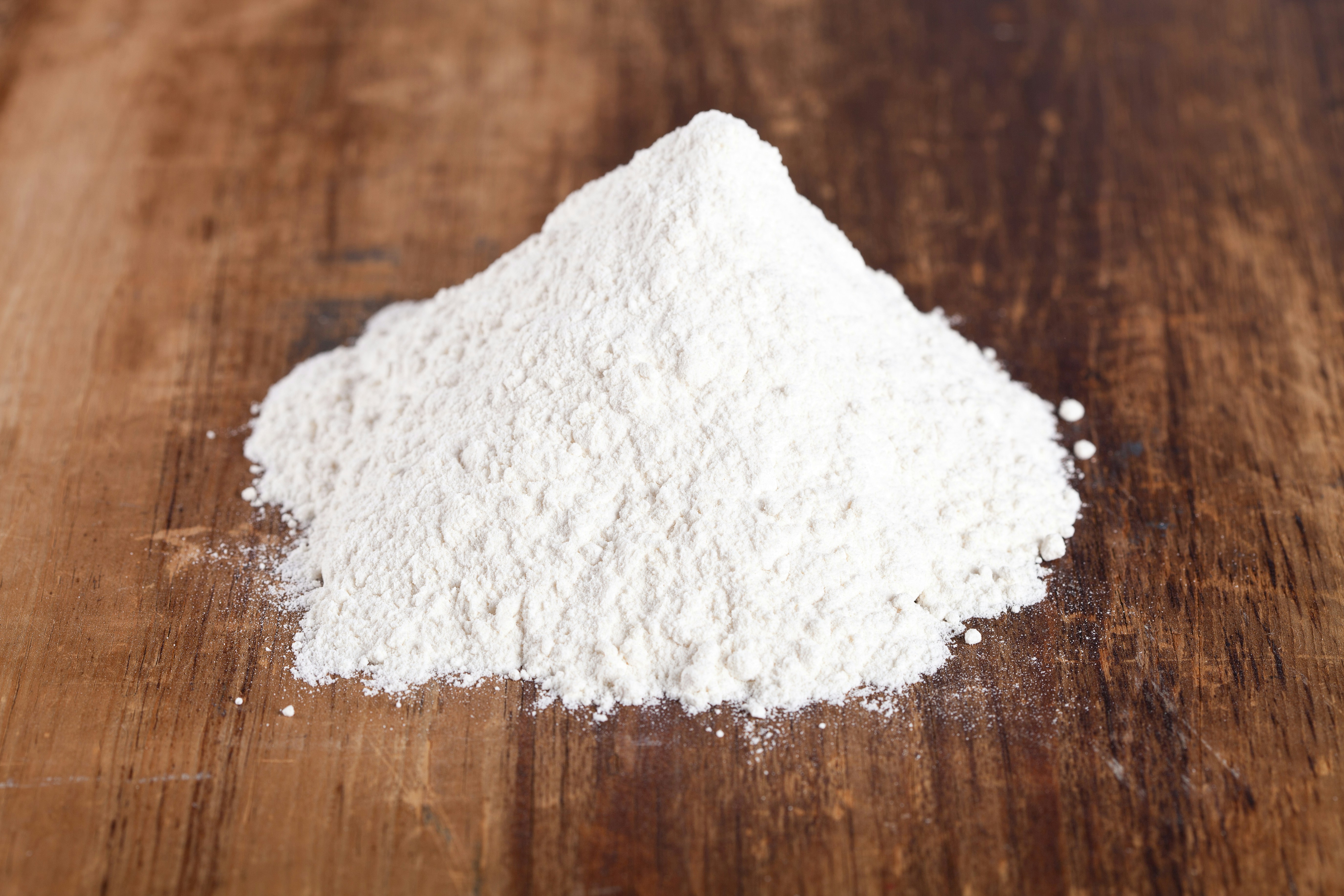
Potassium hydroxide is an inorganic compound with the chemical formula KOH and a molecular weight of approximately 56.1 g/mol. It is a strong, highly corrosive base, generally available as white flakes, pellets, briquettes or granules, as well as a clear aqueous solution.
Commercial liquid grades are commonly supplied at concentrations of approximately 45–50%, while solid grades are available in forms such as flakes and briquettes. The appropriate form depends on handling facilities, process requirements, transportation and storage considerations.
How Is Potassium Hydroxide Manufactured?
The main industrial production route for potassium hydroxide is the chlor-alkali process. In this method, an electric current is passed through a potassium chloride solution, producing potassium hydroxide alongside chlorine and hydrogen.
The overall reaction can be represented as:
2KCl + 2H₂O → 2KOH + Cl₂ + H₂
The resulting potassium hydroxide solution can be supplied in liquid form or further concentrated through evaporation to produce solid products. This electrolysis process is central to the commercial supply of caustic potash. <Link ref="turn661757search12" title="U.S. EPA – Potassium Hydroxide Supply Chain Profile"/>.
Major Uses in Chemical Manufacturing
1. Production of Potassium-Based Chemicals
One of the major industrial applications of KOH is the manufacturing of other potassium compounds. It serves as a chemical intermediate in the production of substances used in agriculture, manufacturing and other industrial processes.
Important derivatives include:
Potassium carbonate: Used in glass manufacturing, agriculture and other industrial applications.
Potassium phosphates: Used in fertilizers and selected food and industrial formulations.
Potassium permanganate: An oxidising chemical used in water treatment and other applications.
Other potassium compounds: Used in specialty chemical production and industrial formulations.
Demand for these derivatives makes KOH an important raw material within the broader potassium chemicals supply chain. <Link ref="turn661757search0" title="U.S. EPA – Potassium Hydroxide Applications"/>.
2. Soap and Detergent Manufacturing
Potassium hydroxide is widely used in soap and cleaning-product manufacturing. It reacts with fats and oils through a process called saponification, producing soap.
Unlike sodium hydroxide, which is commonly used to manufacture hard bar soaps, KOH is particularly suitable for producing soft and liquid soaps. It is also used in industrial cleaning formulations and certain specialised cleaning compounds.
Its strong alkaline properties help manufacturers formulate products designed to remove grease, oils and other difficult residues.
3. Pharmaceutical and Chemical Formulations
In pharmaceutical and chemical manufacturing, potassium hydroxide is used in selected production processes as a pH regulator, neutralising agent and chemical processing aid.
It can support the preparation of potassium-containing compounds and help control alkaline conditions during chemical reactions. The required grade and purity depend on the intended application and applicable manufacturing standards.
4. Fertilizer and Agricultural Chemical Production
Potassium is an essential plant nutrient, making potassium-based compounds important to fertilizer manufacturing. KOH serves as a raw material in the production of certain potassium-containing fertilizers and agricultural formulations.
It is also used in the preparation of potassium-based chemical intermediates for crop protection and other agricultural applications.
Industrial Applications of Potassium Hydroxide
1. Petroleum Refining and Oil and Gas Processing
The petroleum industry uses potassium hydroxide in several refining and processing operations. It can be used in alkaline treatment processes, neutralisation and the preparation of chemical solutions required in refinery operations.
In certain hydrofluoric-acid-catalysed alkylation processes, KOH is used to neutralise acidic materials. Potassium hydroxide can also be recovered from relevant refinery wastewater streams and recycled, primarily for suitable on-site applications.
In oil and gas processing, KOH is used in selected applications involving the treatment and purification of process streams.
2. Water Treatment and pH Adjustment
Potassium hydroxide is used in industrial water treatment to increase pH and neutralise acidic streams. Maintaining appropriate pH levels is important for process stability, equipment protection and the performance of downstream treatment operations.
It is also used as a raw material in the production of potassium permanganate, a chemical applied in selected water-treatment processes. <Link ref="turn661757search12" title="U.S. EPA – Water Treatment Applications"/>.
3. Alkaline Battery Manufacturing
KOH is an important electrolyte in several types of alkaline batteries and rechargeable alkaline battery systems. Its ability to support ionic conductivity makes it suitable for electrochemical applications.
It is used in battery technologies such as nickel-cadmium and nickel-metal hydride systems, as well as conventional alkaline battery chemistries. Battery manufacturers select electrolyte concentration and purity according to the design and performance requirements of the cell.
4. Electroplating and Metal Processing
In metal finishing and surface-treatment operations, potassium hydroxide can be used in alkaline processing solutions. It is also applied in selected electroplating and metal-cleaning processes.
Its role may include supporting bath alkalinity, preparing chemical solutions and helping maintain the conditions required for specific surface-treatment operations.
5. Semiconductor and Electronics Manufacturing
Potassium hydroxide is used in certain semiconductor manufacturing processes as a wet etching chemical. It can selectively remove material from silicon surfaces under controlled processing conditions.
The suitability of KOH depends on the substrate, process chemistry, temperature and required etching profile. Electronics applications generally require carefully controlled chemical purity to minimise contamination and protect product quality.
6. Food Processing and Industrial Cleaning
Food-grade potassium hydroxide is used in specific food-processing applications, including pH adjustment and selected processing operations, subject to applicable regulatory requirements.
In industrial cleaning, KOH is included in certain formulations for removing grease, fats and organic residues. Its use requires appropriate concentration control and handling procedures because of its corrosive properties.
Liquid vs. Solid Potassium Hydroxide
Potassium hydroxide is commercially available in different physical forms. The choice depends on the process, storage infrastructure and required concentration.
Liquid Potassium Hydroxide
Liquid KOH is commonly supplied as a concentrated aqueous solution, often around 45–50%. It is suitable for industrial operations that require direct dosing, pumping and transfer through chemical-handling systems.
Typical applications include water treatment, chemical manufacturing, industrial cleaning and selected refining processes.
Solid Potassium Hydroxide
Solid KOH is supplied in forms such as flakes, pellets and briquettes. It is used where concentrated material is required or where manufacturers prefer to prepare solutions at their facilities.
Typical applications include chemical synthesis, alkaline battery production, industrial soaps and detergents, and selected oil and gas processes. <Link ref="turn661757search6" title="INEOS – Potassium Hydroxide Markets"/>.
Factors to Consider When Selecting Industrial-Grade KOH
Manufacturers should assess several factors before purchasing potassium hydroxide for industrial use:
Purity and concentration: Select a grade that meets chemical and process specifications.
Physical form: Determine whether liquid solution, flakes, pellets or briquettes are more suitable for the facility.
Application requirements: Consider whether KOH will be used for synthesis, neutralisation, cleaning, electrochemical applications or another process.
Impurity levels: Check relevant limits for contaminants, particularly in sensitive applications such as electronics and battery manufacturing.
Packaging and transportation: Confirm that packaging and transport arrangements are compatible with a highly corrosive chemical.
Supplier consistency: Evaluate quality documentation, batch consistency, technical support and supply reliability.
Safety, Storage and Handling Considerations
Potassium hydroxide is highly corrosive and can cause severe burns to skin and serious eye damage. Its dissolution in water releases considerable heat, so industrial handling procedures must account for the risk of splashing and localised overheating.
Facilities handling KOH should implement suitable engineering controls, chemical-resistant protective equipment and appropriate emergency response arrangements.
Important precautions include:
Store the chemical in compatible, tightly closed containers.
Protect solid KOH from moisture because it readily absorbs water from the atmosphere.
Use suitable corrosion-resistant equipment and transfer systems.
Follow approved procedures when preparing aqueous solutions.
Provide appropriate eyewash and emergency shower facilities.
Train personnel in chemical handling, spill response and first aid.
Consult the supplier's Safety Data Sheet (SDS) for application-specific precautions.
For workplace exposure and safety information, consult the <Link ref="turn661757search7" title="NIOSH Pocket Guide – Potassium Hydroxide"/>.
Industrial Outlook and Supply Chain Importance
Potassium hydroxide remains an important input for manufacturers across the chemical, agricultural, petroleum, pharmaceutical, electronics and energy sectors. Its role as both a processing chemical and a precursor to other potassium compounds supports demand from multiple industrial markets.
The availability of different grades and physical forms allows manufacturers to use KOH in processes with varying concentration, purity and handling requirements. For procurement teams, maintaining a reliable supply of specification-compliant material is important for production continuity and consistent product quality.
As industrial applications continue to require specialised chemical inputs, potassium hydroxide will remain a relevant material in chemical manufacturing and industrial processing.
Sources:
https://pubs.rsc.org/en/content/articlehtml/2026/ta/d5ta10129h?
Activated Carbon (Granular) - India
Found this useful?