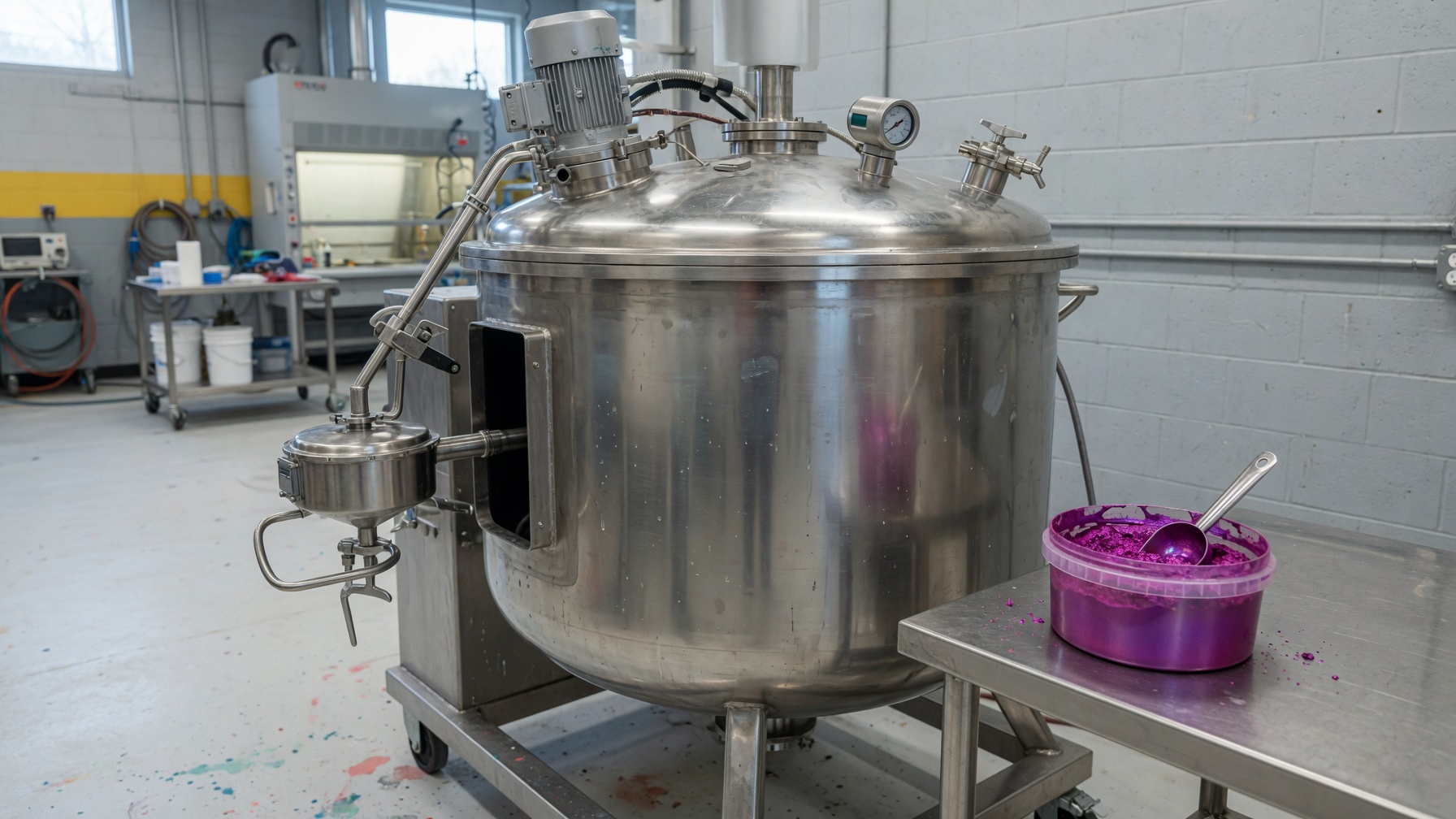
PPG Unveils New AI-Assisted Color-Matching Technology for Coatings
Artificial intelligence is moving deeper into industrial coating workflows as manufacturers seek greater accuracy and efficiency in formulation and application. AI-assisted color-matching technology is emerging as a practical tool for helping formulators achieve consistent shades while reducing workflow complexity.
PPG says its new technology is engineered to support accurate color matching, smooth blending, faster drying and easier application. For coatings manufacturers, distributors and procurement teams, the development highlights a broader shift toward digitally assisted specialty coating processes.
The technology also matters because color development can involve repeated adjustments before a formulation reaches the required appearance and application performance. Tools that streamline this process could help reduce development time while supporting more consistent production outcomes.
AI Color Matching Targets Faster Coatings Development
Traditional color matching requires formulators to compare target shades, adjust pigment combinations and evaluate the resulting coating. Each adjustment can add time to the development process, particularly when a formulation needs to balance appearance with drying and application characteristics.
PPG’s approach brings artificial intelligence into this workflow. Rather than treating color selection as an isolated visual task, the technology is designed to support several stages of the formulation process at once.
For industrial users, the potential benefits include:
More accurate color matching: Better alignment with target colors can help reduce repeated formulation adjustments and improve consistency between batches.
Smoother blending: Improved formulation support can help create coatings that deliver a more uniform finished appearance.
Faster drying: Drying performance can influence production schedules, handling requirements and overall application efficiency.
Easier application: A formulation that behaves more predictably can simplify work for applicators and downstream users.
These capabilities position AI as a workflow tool rather than simply a laboratory technology. The practical value comes from helping specialists make formulation decisions more efficiently.
Why Color Consistency Matters to Coatings Buyers
Color consistency remains an important commercial consideration across industrial coatings applications. Variations between batches can create additional inspection requirements, rework and customer dissatisfaction when finished products must meet a specific visual standard.
Procurement teams also need to consider how formulation changes affect the availability and cost of raw materials. Pigments, resins, solvents and functional additives all contribute to the final coating system, so more efficient formulation processes can have implications beyond color selection.
A technology that improves matching accuracy may therefore influence purchasing decisions indirectly. If formulators can reach the desired specification with fewer iterations, manufacturers may gain better visibility into material requirements and production planning.
For chemical traders and distributors, this trend creates another reason to monitor developments in formulation technology. Changes in how coatings manufacturers formulate products can affect demand patterns for pigments and other specialty raw materials.
AI Could Reshape the Formulator’s Workflow
The introduction of AI-assisted tools reflects a wider change in how specialty chemical manufacturers approach technical work. Digital systems can help specialists process information faster while allowing experienced formulators to remain responsible for final technical decisions.
PPG’s technology is positioned around practical formulation outcomes rather than AI as a standalone concept. Its focus on matching, blending, drying and application connects digital assistance directly with the challenges faced during coating development.
This approach could become particularly valuable where manufacturers manage large numbers of color requirements. Instead of relying entirely on repeated manual adjustments, formulators may use AI-supported recommendations to shorten the path toward an acceptable formulation.
The broader workflow can involve several interconnected considerations:
Target identification: The required color and performance characteristics establish the formulation objective.
Formulation development: Raw materials and pigment combinations need to work together within the coating system.
Application assessment: The coating must deliver the expected appearance and handling characteristics during use.
Production consistency: The final formulation needs to remain practical for repeat manufacturing.
AI assistance can potentially connect these stages more efficiently, helping reduce unnecessary trial-and-error work.

Implications for Pigment and Coating Raw Material Demand
Color-matching technology does not eliminate the need for chemical raw materials. Instead, more efficient formulation could change how manufacturers evaluate and combine those materials to achieve specific performance and appearance requirements.
Titanium dioxide, for example, remains an important material in coating formulations where opacity, whiteness and brightness matter. Other pigments and functional additives can also influence color strength, stability, surface appearance and application performance.
For chemical suppliers, the key issue is not simply whether AI increases or decreases raw material consumption. The more relevant question is how digital formulation tools could change purchasing specifications, product qualification and the demand for consistent material quality.
Suppliers may need to provide more detailed technical information to support increasingly data-driven formulation workflows. Consistent quality, reliable documentation and predictable product performance can become stronger differentiators when customers use advanced formulation tools.
What AI-Assisted Formulation Means for Procurement Teams
Procurement professionals often focus on price, availability, specifications and supplier reliability. As digital formulation becomes more integrated into coatings development, technical consistency may become an even more important part of purchasing decisions.
A lower-cost raw material does not necessarily create savings if inconsistent performance forces additional formulation adjustments or production testing. Buyers should therefore evaluate material suppliers based on the total value their products provide within the formulation process.
Key procurement considerations include:
Specification consistency: Suppliers should maintain dependable quality across shipments so formulation results remain predictable.
Technical documentation: Accurate specifications and supporting technical information can help formulators work more efficiently.
Supply reliability: Consistent access to pigments and additives becomes important when manufacturers rely on standardized formulations.
Application performance: Buyers should assess how materials perform within the intended coating system rather than considering price alone.
Supplier responsiveness: Technical support can become valuable when formulation teams need rapid answers about material characteristics.
AI tools may make formulation faster, but the underlying raw materials still determine much of the final product performance. Procurement teams therefore remain central to maintaining a dependable chemical supply chain.
Specialty Coatings Innovation Is Becoming More Integrated
PPG’s technology illustrates how specialty coatings development is becoming increasingly connected across formulation, application and production. Improvements in one stage can affect efficiency across the wider manufacturing workflow.
Color matching traditionally focuses on achieving the right visual result. PPG’s stated focus extends beyond matching by also addressing blending, drying and application, suggesting a more integrated approach to formulation efficiency.
This direction aligns with the needs of modern coatings manufacturers that must manage quality expectations while controlling development and production time. A tool that supports several practical formulation requirements can potentially offer more value than a system designed only for color identification.
For chemical traders, this creates an important market signal. Innovation in formulation technology can influence the way buyers evaluate raw materials, technical support and supplier relationships.
What Chemical Suppliers Should Watch Next
The development of AI-assisted color matching points toward a coatings market where digital tools and chemical expertise increasingly work together. Suppliers that understand this shift can better anticipate how their customers may evaluate products in the future.
Several areas deserve attention:
Higher expectations for consistency: Customers may place greater emphasis on predictable raw material performance as digital formulation becomes more common.
Greater technical collaboration: Suppliers may need to work more closely with formulation teams rather than operating only as transactional vendors.
More data-driven purchasing: Product specifications and technical information could become increasingly important during material selection.
Faster formulation cycles: Shorter development timelines could influence production planning and the speed at which new coating products reach customers.
The technology also reinforces the importance of specialty chemical expertise. AI can support decisions, but formulators still need a strong understanding of pigments, binders, additives and application conditions to create commercially viable coatings.
The Bottom Line for Coatings Procurement
PPG’s new AI-assisted color-matching technology highlights a practical direction for specialty coatings, where artificial intelligence can support faster and more consistent formulation workflows. Its focus on accurate color matching, smooth blending, faster drying and easier application connects digital innovation with tangible manufacturing requirements.
For procurement teams, the development is a reminder that raw material purchasing increasingly connects with formulation technology. Consistent pigments, dependable additives, strong technical documentation and reliable supply can become even more valuable as manufacturers adopt tools designed to reduce development time.
Chemical traders and suppliers should watch how AI-assisted formulation changes customer expectations around material quality and technical support. Companies that combine dependable chemical supply with strong product knowledge will be better positioned as coatings manufacturers pursue more efficient development processes.
Ready to source Titanium Dioxide from verified global suppliers? Explore competitive offers on our platform today.

Titanium Dioxide
Found this useful?