Pre-Harvest Desiccation Practices Face New Federal EPA Review
The Environmental Protection Agency has directed a comprehensive review of all available data for registered pre-harvest desiccation uses. This federal mandate aims to ensure strict alignment with modern safety, environmental, and labeling standards. For agricultural chemical manufacturers, distributors, and end-users, this directive signals a period of significant regulatory transition. Pre-harvest desiccants are critical for uniform crop drying and efficient mechanical harvesting. However, growing scrutiny over chemical residues and environmental impact is prompting a rigorous re-evaluation of these practices. Procurement managers and farm operators must prepare for potential changes to product availability, application restrictions, and compliance requirements. Understanding the scope of this EPA review is essential for maintaining operational continuity and avoiding costly regulatory violations.
Understanding the EPA Review Mandate
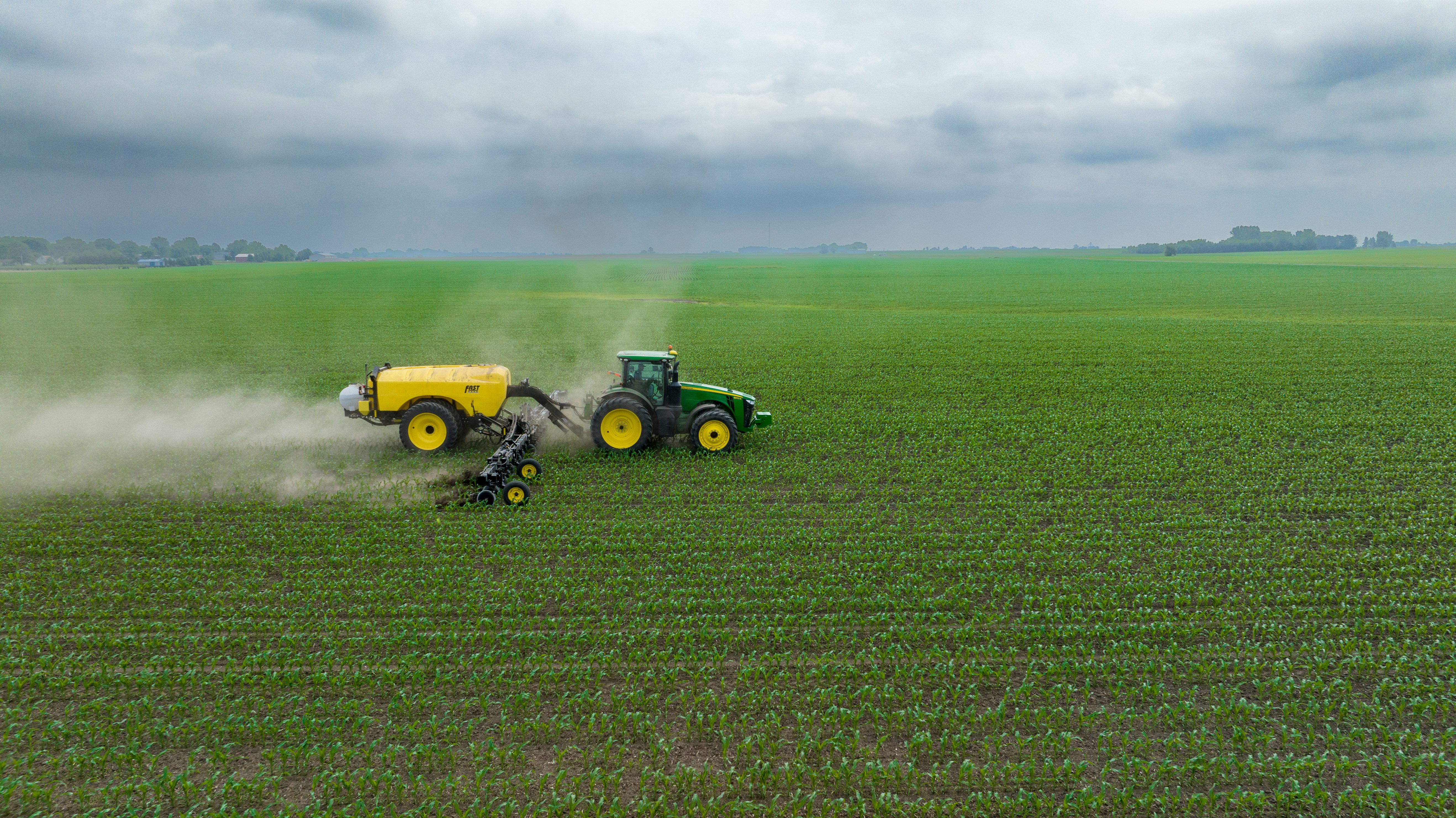
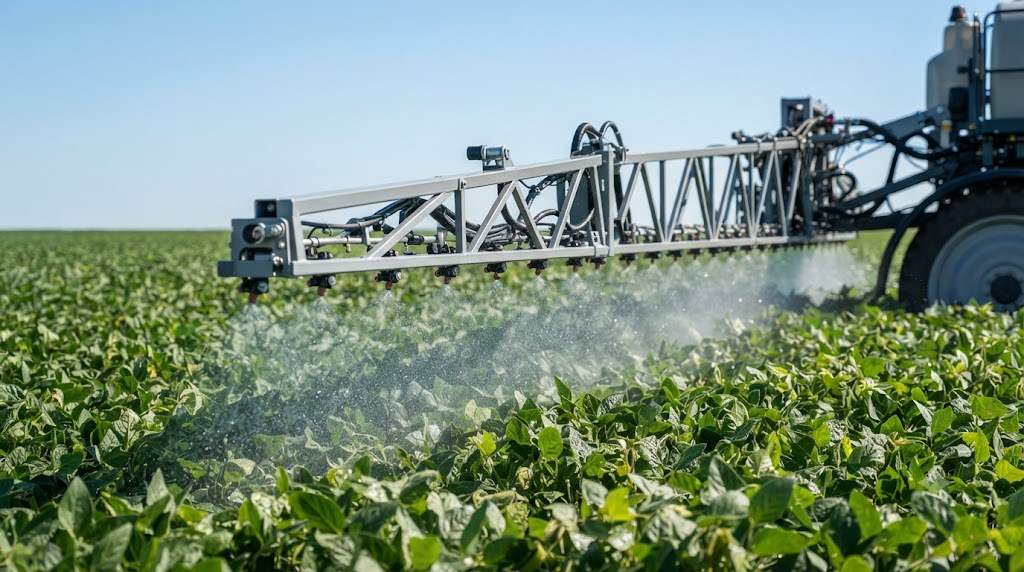
Pre-harvest desiccation involves applying chemical agents to crops shortly before harvest to accelerate drying and defoliation. While this practice improves harvest efficiency and grain quality, it has faced increasing scrutiny regarding residue levels on food and feed crops.
The new directive requires the EPA to re-examine the scientific data supporting current registrations. This includes evaluating toxicological profiles, environmental fate, and potential impacts on non-target species. The agency is particularly focused on ensuring that product labels reflect the most current safety data and application guidelines.
Chemical manufacturers must be prepared to submit additional data or face potential registration cancellations. This proactive regulatory stance reflects a broader shift toward minimizing chemical exposure in the food supply chain. Buyers must recognize that the chemicals they rely on today may operate under entirely new rules tomorrow.
Impact on Crop Protection Supply Chains
The outcome of this EPA review will directly impact the supply chain for key agricultural chemicals. If certain active ingredients face restricted use classifications or outright cancellations, supply dynamics will shift rapidly.
Manufacturers may reallocate production capacity away from scrutinized compounds toward alternative, compliant formulations. This transition can create temporary supply gaps for traditional desiccants. Buyers relying on specific legacy products must develop contingency plans immediately.
Label modifications: Existing products may receive updated application rates, restricted entry intervals, or geographic use limitations.
Supply reallocation: Producers may prioritize manufacturing of next-generation alternatives over legacy desiccants.
Inventory risks: Holding stock of products facing potential cancellation carries financial and compliance liabilities.
Market consolidation: Smaller manufacturers lacking the resources to fund extensive re-registration data may exit the market.
These factors combine to create a volatile environment for crop protection procurement. Agility and proactive supply chain management are now critical survival skills.
Navigating Compliance and Labeling Standards
Strict adherence to updated labeling standards will be the cornerstone of compliance. The EPA mandate emphasizes that labels must clearly communicate all safety and environmental precautions. Misapplication of desiccants due to outdated label knowledge can result in severe penalties, crop rejection, and environmental damage.
Agricultural operators must implement rigorous training programs for applicators. Ensuring that field staff understands new restricted entry intervals or buffer zone requirements is non-negotiable. Procurement teams should request the most current Safety Data Sheets (SDS) and label drafts from suppliers during the purchasing process.
Furthermore, international export markets maintain their own maximum residue limits (MRLs). A chemical approved for pre-harvest use in the US may still be prohibited by importing countries. Buyers exporting agricultural commodities must verify that any new desiccation practices align with global destination requirements to avoid costly trade rejections.

Strategic Sourcing Adjustments for Agricultural Buyers
Chemical buyers must adapt their procurement strategies to navigate this regulatory transition. Relying on historical purchasing patterns invites severe operational disruption. Proactive diversification provides essential protection against sudden supply shifts.
Diversify supplier geography. Qualify alternative sources in regions with strong innovation pipelines for bio-based or low-residue desiccants. This reduces exposure to single-market regulatory shocks.
Negotiate flexible contract terms. Avoid rigid long-term fixed pricing during volatile transition periods. Index-linked agreements allow costs to adjust fairly based on market realities.
Build strategic inventory buffers. Hold extra stock of transitional chemistries that are expected to maintain favorable regulatory standing. The carrying cost is often lower than the expense of a disrupted harvest.
Evaluate alternative specifications. Consider bio-based desiccants or contact herbicides with different modes of action that may offer better regulatory longevity. Technical validation of substitute materials can unlock new sourcing avenues.
Collaborate with agronomists. Work closely with agricultural experts to validate the efficacy of alternative desiccation practices before committing to large-scale purchases.
What Buyers Should Do Now
The federal review of pre-harvest desiccation practices marks a definitive turning point for the crop protection sector. Procurement professionals must treat this regulatory shift as a strategic imperative. Auditing your current supply chain for exposure to heavily scrutinized active ingredients is the critical first step.
Engage with suppliers to understand their registration status and long-term commitment to specific product lines. Verify their compliance with evolving safety and environmental standards. Diversifying your sourcing base protects your organization from future regulatory disruptions.
Procurement teams must collaborate closely with internal agronomy and quality assurance departments. Validating new chemical sources requires rigorous technical testing and approval cycles. Starting this process early prevents operational delays when new supply becomes available or old supply is restricted.
Building resilient procurement networks requires decisive action. The organizations that adapt to this new regulatory reality will secure a lasting competitive advantage.
Ready to source 2-Ethyl Hexanol from verified global suppliers? Explore competitive offers on our platform today.
2-Ethyl Hexanol
Found this useful?