Propane and Ethane Diplomacy: Why China's Feedstock Import Flows Are a Geopolitical Fault Line
China's rapid petrochemical expansion has created an unusual strategic dependency: while the country is adding large amounts of new ethylene and polymer capacity, a significant portion of the feedstock needed to run those plants comes from overseas. Ethane and propane are particularly important, allowing Chinese crackers to diversify away from traditional naphtha-based production. The United States has become an increasingly important supplier, making energy trade between Washington and Beijing directly relevant to China's petrochemical production economics. In early 2026, US ethane exports to China were already rising sharply, illustrating how closely the two countries' supply chains remain connected despite broader trade tensions.
Ethane Has Become a Critical Supply Link
The scale of China's dependence is particularly visible in ethane. China imported about 3.462 million tonnes of ethane during the first four months of 2026, more than half of the volume imported during all of 2025, with the United States serving as its sole supplier in the period covered by Kpler data. April alone saw Chinese ethane imports reach roughly 1 million tonnes, a record monthly level, with major buyers including Satellite Chemical, Wanhua Chemical and SP Chemical. This demonstrates how US natural-gas liquids are increasingly feeding China's expanding ethylene production base.
Trade Tensions Can Quickly Become a Feedstock Problem
This relationship creates a geopolitical vulnerability for Chinese producers. If tariffs, export controls, shipping restrictions or other trade measures make US propane or ethane more expensive or difficult to obtain, Chinese petrochemical producers could face higher feedstock costs or be forced to switch to alternatives such as naphtha. The US Energy Information Administration expects US ethane exports to continue growing through 2026, but it also notes that regulatory changes and tighter Chinese petrochemical margins could alter the flow. A US requirement introduced in 2026 for exporters to obtain a special license for ethane shipments to China has already created uncertainty around some planned cracker projects.

China Has Alternatives, But They Are Not Cost-Free
China can reduce some of this exposure by using naphtha, propane from other suppliers or domestically available feedstocks, but switching feedstocks is not always straightforward. Some crackers are specifically designed or optimized around particular feedstocks, while the economics of ethane-based production can be substantially different from naphtha-based production. China's petrochemical companies have therefore invested in feedstock flexibility, including projects capable of using more than one feedstock. Even so, replacing large volumes of competitively priced US NGLs would potentially raise production costs and could further pressure already weak petrochemical margins.
The Trade Relationship Works Both Ways
The geopolitical relationship is complicated because the US also benefits commercially from Chinese demand. The United States has become a major exporter of ethane, propane and butane, while China has become an important destination for these materials. Reuters reported that US ethane exports to China increased 88% year over year in early 2026, illustrating how deeply the two countries remain linked through the petrochemical feedstock trade. This creates a situation in which geopolitical efforts to reduce dependence can conflict with the commercial interests of US NGL producers and Chinese chemical manufacturers.
A Note on the Propane-and-Butane Policy Claim
One point in the supplied context needs clarification: the reported 2026 order telling refiners to stop diverting propane and butane away from petrochemical production appears to refer to India, not China. Reporting from March 2026 says the Indian government instructed refiners to increase LPG availability and stop diverting propane and butane from petrochemical production, a move that could affect producers of polypropylene and alkylates. For China, the stronger documented intelligence signal is its growing reliance on imported US ethane and propane and the vulnerability of those flows to trade policy.
Feedstock Security Is Becoming Part of Petrochemical Strategy
The broader lesson is that China's petrochemical expansion cannot be assessed purely by looking at domestic capacity additions. Feedstock security is becoming an equally important strategic variable. China may continue building crackers and polymer plants, but the economics of those assets will partly depend on maintaining reliable access to competitively priced propane and ethane. As US-China trade policy evolves, companies will need to watch import volumes, tariffs, licensing requirements, alternative suppliers and feedstock-switching capability alongside conventional indicators such as utilization and margins.
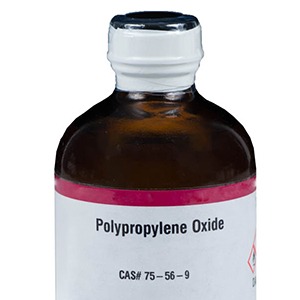
Propylene Oxide
Found this useful?