
Propane Dehydrogenation Margins and Middle East Supply Strain
Global chemical markets face intense pressure as Middle East supply strain severely compresses propane dehydrogenation margins for independent producers. This specific manufacturing pathway converts liquefied petroleum gas into polymer-grade propylene and serves as a critical pillar for the global plastics industry. Traders watch these specific processing units closely because their operational health dictates the physical availability of downstream derivatives. When feedstock costs spike without a corresponding rally in output prices, plant operators immediately slash their processing rates. The sections below explore how this geographical supply squeeze alters global trade flows and what buyers must do to secure their raw materials. Market participants must adapt their contract strategies immediately to survive this sudden shift in material requirements.
The Mechanics of Propane Dehydrogenation Margins
Propane dehydrogenation plants buy imported liquefied petroleum gas and crack it directly into light olefins. This specific chemical pathway yields a very high percentage of propylene compared to traditional naphtha steam cracking.
The economics of this process rely entirely on the spread between the cost of imported propane and the selling price of polymer-grade propylene. Plant operators calculate this specific crack spread daily to determine their exact profitability.
When the physical cost of the feedstock rises faster than the output value, the processing margin collapses. Independent producers lack the downstream integration to absorb these losses through specialty chemical premiums.
Middle East Supply Strain and LPG Export Dynamics
The Middle East traditionally supplies a massive percentage of the global seaborne propane market. Regional gas processing plants extract this light gas and load it onto very large gas carriers for export to Asia and Europe.
Recent geopolitical tensions and localized infrastructure disruptions severely restricted these physical export volumes. Terminal operators faced unexpected loading delays and force majeure declarations that stranded cargoes at the source.
This sudden physical shortage immediately tightened the global liquefied petroleum gas market. Desperate buyers in Northeast Asia bid aggressively against each other to secure the remaining available spot cargoes.
The resulting price spike completely decoupled regional propane benchmarks from global crude oil equivalents. This severe feedstock inflation directly attacked the bottom line of every independent dehydrogenation plant.
How Higher Feedstock Costs Squeeze Global PDH Units
Independent chemical producers operate on thin cash margins that vanish quickly during supply shocks. These specific facilities buy their raw materials on the volatile spot market and sell their output into highly competitive regional hubs.
European operators face the most severe squeeze because they lack long-term fixed-price feedstock agreements. They must pay the inflated spot prices for imported Middle Eastern gas while selling their propylene into a soft local market.
North American producers enjoy a slight structural advantage due to abundant domestic shale gas. However, even these integrated operators feel the pressure when global export demand pulls local prices higher.
The universal result across all regions is a drastic reduction in operating rates. Plant managers deliberately cut their furnace throughput to minimize their financial losses on every tonne of output.
The Propylene Price Disconnect and Margin Compression
A healthy chemical market requires downstream derivative prices to rise in tandem with upstream feedstock costs. This natural price transmission allows producers to pass their inflation down the value chain to final converters.
The current market suffers from a severe price disconnect because global propylene demand remains relatively soft. Downstream packaging and automotive sectors refuse to accept higher resin prices while consumer spending weakens.
This refusal to pay higher prices traps the primary producers in a massive margin squeeze. They absorb the full impact of the Middle East supply strain without any financial relief from their customers.
Trading desks monitor this specific disconnect to anticipate future supply rationing. When producers lose money on every tonne they manufacture, physical shortages inevitably follow within a few weeks.
Regional Deep Dive: China's PDH Sector Under Pressure
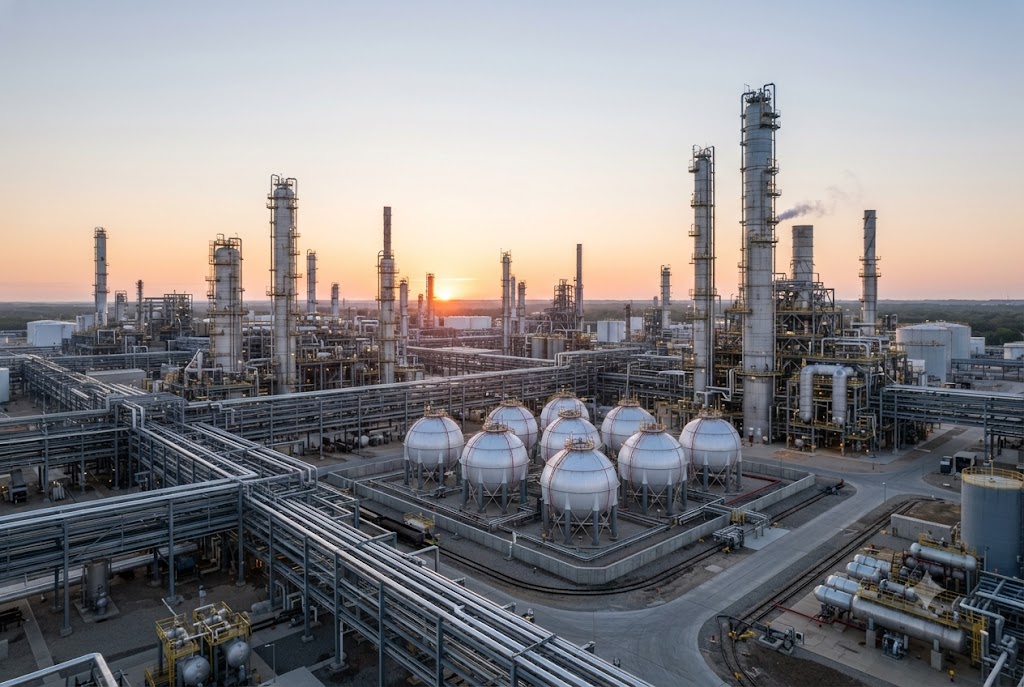
China built an enormous fleet of independent propane dehydrogenation plants over the last decade to satisfy its domestic polymer appetite. These coastal facilities rely almost entirely on imported liquefied petroleum gas to feed their massive reactors.
The current Middle East supply strain hits this specific regional fleet harder than any other global market. Chinese operators pay record premiums for spot cargoes while facing intense domestic competition from coal-based and naphtha-based alternatives.
Management teams respond by idling their oldest and least efficient units to preserve cash. This coordinated capacity rationalization removes millions of tonnes of annual propylene output from the regional supply sheet.
Traders watch these specific operating rate cuts to forecast local derivative pricing. The physical removal of this massive Chinese capacity eventually forces downstream buyers to look toward overseas imports.
Downstream Impacts on Polypropylene and Acrylates
The sudden reduction in primary olefin output quickly cascades into the derivative markets. Manufacturers of polypropylene and acrylic acid face immediate allocation limits from their primary feedstock suppliers.
Compounders and extruders must hold higher physical inventories to buffer against these unexpected supply shocks. This defensive stocking behavior further tightens the physical market and drives spot premiums even higher.
Three specific downstream segments feel the most acute pain from this feedstock squeeze:
Automotive parts manufacturers face delayed deliveries for critical polypropylene bumpers and interior trim components.
Paint and coating formulators struggle to secure adequate volumes of acrylic monomers for their architectural products.
Specialty chemical producers cut their operating rates to preserve inventory for their highest margin contract customers.
What Procurement Teams Should Do Now
The structural compression of processing margins fundamentally alters the global supply landscape for light olefins. Procurement managers must secure alternative supply lines before the remaining operational plants face unexpected turnarounds.
Audit your current derivative allocations and identify any critical dependencies on independent dehydrogenation operators. These specific suppliers carry the highest risk of sudden force majeure declarations during severe feedstock spikes.
Diversify your origin base heavily toward integrated steam crackers that process cheap domestic ethane or naphtha. These large complexes possess the downstream integration required to absorb feedstock volatility and maintain steady output.
Negotiate flexible volume terms that allow you to scale your purchases based on real-time regional operating rates. Adaptability and geographic diversification now define success in this highly constrained market.
Ready to source propylene oxide from verified global suppliers? Explore competitive offers on our platform today.
Propylene Oxide
Found this useful?