Propylene Glycol: Uses in Food, Pharma and Industry
Propylene glycol plays an important role in modern manufacturing because of its versatility across pharmaceuticals, food processing and industrial formulations. This colourless, nearly odourless liquid helps manufacturers dissolve ingredients, retain moisture, improve formulation stability and transfer heat in specialised applications.
Known chemically as 1,2-propanediol, propylene glycol serves different purposes depending on its grade and intended application. Pharmaceutical manufacturers use it as an excipient, food producers incorporate it into selected formulations and industrial companies rely on it in heat-transfer fluids, coatings and chemical processing.
For procurement managers and chemical buyers, understanding these applications helps determine the correct quality specifications, regulatory requirements and supply arrangements. Selecting an appropriate grade also protects product consistency and reduces the risk of contamination or formulation problems.
What Is Propylene Glycol and How Does It Work?
Propylene glycol is an organic compound with the molecular formula C₃H₈O₂ and CAS number 57-55-6. It belongs to the glycol family and contains two hydroxyl groups, which contribute to its ability to mix with water and interact with various formulation ingredients.
Manufacturers commonly produce propylene glycol through the hydration of propylene oxide. The resulting material undergoes purification to achieve the required specifications for pharmaceutical, food or industrial applications.
Important Physical and Chemical Properties
Several properties make propylene glycol useful across different manufacturing environments:
Water solubility: It mixes readily with water, making it suitable for aqueous formulations and liquid products.
Moisture retention: Its hygroscopic nature allows it to attract and retain moisture in selected formulations.
Solvent capability: It dissolves or helps disperse various ingredients, including certain active compounds, flavours and additives.
Low volatility: It evaporates relatively slowly under ordinary conditions, supporting moisture retention and formulation stability.
Temperature performance: Its ability to lower the freezing point of water makes it useful in selected heat-transfer and antifreeze applications.
These characteristics allow manufacturers to incorporate propylene glycol into products with different physical and performance requirements.
Propylene Glycol Applications in Pharmaceuticals
The pharmaceutical industry represents an important application area because manufacturers require reliable excipients to support the preparation of medicines. Propylene glycol acts as a solvent, carrier and moisture-retaining ingredient in suitable pharmaceutical formulations.
Its compatibility with water and ability to dissolve certain substances make it particularly useful when formulators need to distribute ingredients evenly throughout a product.
Liquid Medicines and Oral Formulations
Pharmaceutical manufacturers use propylene glycol in selected oral liquid medicines, including syrups and other liquid preparations. It can help dissolve active ingredients or supporting components that do not dissolve easily in water alone.
It also helps maintain a consistent formulation by supporting the distribution of ingredients. However, manufacturers must evaluate concentration, dosage requirements and applicable pharmaceutical standards before including it in medicinal products.
Topical Creams, Gels and Ointments
Propylene glycol also appears in selected topical pharmaceutical formulations. It helps dissolve ingredients and supports moisture retention in creams, gels and ointments.
Its solvent properties can improve the distribution of certain active ingredients throughout a formulation. The manufacturer must assess compatibility with other ingredients to maintain the intended texture, stability and performance.
Pharmaceutical Grade and Quality Requirements
Pharmaceutical applications require stricter quality controls than many general industrial uses. Buyers should verify that the supplied material meets the applicable pharmacopoeial specifications, such as USP or Ph. Eur., when required.
Important purchasing checks include:
Certificate of Analysis (CoA) for every batch.
Compliance with the required USP or Ph. Eur. specifications.
Identity, purity and impurity testing.
Appropriate testing for diethylene glycol (DEG) and ethylene glycol (EG).
Manufacturer traceability and batch documentation.
Suitable packaging and storage conditions.
Contamination control deserves particular attention. The World Health Organization reported falsified USP/EP propylene glycol identified in Pakistan in April 2024. This highlights the importance of supplier verification, material authentication and appropriate quality testing throughout pharmaceutical supply chains.
World Health Organization+1
Food Industry Uses of Propylene Glycol
Food manufacturers use propylene glycol for specific formulation purposes, particularly when they need a suitable solvent, carrier or humectant. Its ability to retain moisture and support the dispersion of certain ingredients makes it valuable in selected food processing applications.
However, food-grade suitability depends on regulatory approval, permitted applications and the concentration used in the finished product.
Flavours, Colours and Food Ingredients
One of its important functions involves dissolving and carrying flavouring substances and certain food colours. Some flavour ingredients do not disperse easily in water, so manufacturers use suitable solvents to achieve a more consistent distribution.
Propylene glycol can also support formulation stability by helping manufacturers maintain the desired characteristics of selected food products.
Moisture Retention and Food Processing
As a humectant, propylene glycol helps retain moisture in certain food formulations. This function can support texture and reduce unwanted moisture changes during storage.
Potential applications include:
Baked goods and confectionery: Helps retain moisture in selected formulations.
Flavouring preparations: Acts as a carrier for flavour compounds.
Food colour preparations: Supports the dissolution and distribution of suitable colouring ingredients.
Seasonings and flavour concentrates: Helps maintain ingredient consistency in specific concentrated mixtures.
The US Food and Drug Administration identifies propylene glycol under 21 CFR 184.1666 as a substance affirmed as generally recognized as safe for specified food uses under current good manufacturing practice. This does not mean every application or concentration is automatically permitted in every country.
Industrial Applications Across Manufacturing Sectors
Beyond food and pharmaceuticals, propylene glycol serves several industrial purposes. Manufacturers value its solvent properties, moisture-retention capability and performance in temperature-control systems.
Industrial applications generally require technical-grade material, although the exact specification depends on the formulation and operating environment.
Heat Transfer and Cooling Systems
Propylene glycol is widely used in heat-transfer fluids and selected cooling systems. When blended with water and appropriate additives, it helps reduce the freezing point of the resulting fluid.
These mixtures can support temperature management in:
Industrial refrigeration systems.
HVAC installations.
Food processing equipment.
Solar thermal systems.
Selected manufacturing and process-cooling operations.
System designers must select the correct concentration and fluid formulation according to operating temperatures, equipment materials and performance requirements.
Paints, Coatings and Construction Formulations
The coatings industry uses propylene glycol in selected water-based paints and related formulations. It can support freeze-thaw stability and help maintain product consistency during storage and transportation.
Manufacturers also consider it when developing certain construction chemicals and specialised coating products. Its effectiveness depends on the complete formulation and compatibility with other ingredients.
Chemical Manufacturing and Processing
Propylene glycol also functions as an intermediate or formulation component in various chemical manufacturing processes. Its chemical structure makes it useful in the production of selected polyester materials and other specialised compounds.
Industrial formulators may incorporate it into:
Chemical blends and solvent systems.
Selected resin and polyester formulations.
Specialised industrial fluids.
Coatings and surface-treatment products.
Manufacturing processes requiring controlled moisture retention.
These applications demonstrate why propylene glycol remains a versatile input across several manufacturing sectors.
Different Grades and Their Importance in Procurement
Although propylene glycol shares the same basic chemical identity across applications, manufacturers do not necessarily use the same commercial grade for every purpose. Different industries require different purity levels, testing procedures and documentation.
Selecting the wrong grade can create compliance problems or affect the final product's quality.
Pharmaceutical Grade
Pharmaceutical-grade propylene glycol meets relevant pharmacopoeial requirements where applicable. Manufacturers use it in medicinal formulations and other pharmaceutical applications requiring controlled quality.
Buyers should prioritise validated specifications, batch traceability, impurity testing and documented manufacturing controls.
Food Grade
Food-grade propylene glycol must satisfy the applicable food additive requirements in the destination market. Manufacturers should confirm permitted uses, purity specifications and supporting documentation before purchasing.
A food-grade declaration alone should not replace verification of the relevant regulatory and technical requirements.
Industrial Grade
Industrial-grade propylene glycol serves applications such as cooling fluids, coatings and chemical processing. Buyers should evaluate purity, moisture content, appearance and compatibility with the intended formulation.
Industrial specifications may differ considerably from pharmaceutical and food requirements. Therefore, buyers should never assume that a technical-grade product can replace a higher-purity grade in regulated applications.
Sourcing Challenges and Quality Considerations
Global buyers face several challenges when purchasing propylene glycol, particularly when sourcing material for regulated manufacturing environments. Product consistency, supplier reliability and transportation conditions all influence purchasing decisions.
Supplier Verification and Documentation
Procurement teams should evaluate suppliers beyond quoted prices. A competitive offer has limited value if the material lacks appropriate quality documentation or reliable traceability.
Before confirming an order, buyers should review:
Manufacturer identity and production origin.
Technical Data Sheet (TDS).
Batch-specific Certificate of Analysis.
Safety Data Sheet (SDS).
Relevant food or pharmaceutical certifications.
Packaging specifications and shelf-life information.
For pharmaceutical applications, buyers should establish additional testing and supplier qualification procedures according to their regulatory obligations.
Storage, Packaging and Transportation
Propylene glycol requires suitable storage and handling arrangements to maintain its specified quality. Buyers should consider container cleanliness, secure closures and protection from contamination during transportation.
Depending on order size and supply arrangements, suppliers may offer drums, intermediate bulk containers or bulk deliveries. Procurement teams should select packaging based on consumption volume, storage capacity and handling facilities.
Pricing and Supply Management
Purchasing costs can vary according to raw material availability, production expenses, energy costs, freight rates and regional demand. Different grades also carry different quality and compliance requirements.
Buyers can improve procurement planning by:
Comparing offers against identical product specifications.
Evaluating landed costs rather than considering the quoted product price alone.
Establishing realistic delivery schedules.
Maintaining qualified alternative suppliers.
Monitoring inventory levels and expected production requirements.
These practices help procurement teams manage supply continuity while maintaining product quality.
Regulatory Compliance and Safe Handling Requirements
Propylene glycol regulations differ across food, pharmaceutical and industrial markets. International buyers must understand the requirements of the importing country before approving a supplier or arranging shipments.
Regulatory Documentation
For food and pharmaceutical applications, buyers should confirm that the product meets the relevant standards in the destination market.
Important considerations include:
Food regulations: Verify permitted food applications and applicable purity requirements.
Pharmaceutical standards: Check USP, Ph. Eur. or other required pharmacopoeial compliance.
Import documentation: Confirm customs declarations, product specifications and country-of-origin documents.
Safety documentation: Obtain an updated SDS covering handling, storage and emergency procedures.
The WHO and national regulatory authorities also emphasise the importance of preventing contamination in pharmaceutical raw materials. Buyers should therefore maintain suitable quality assurance procedures throughout procurement and manufacturing.
Handling and Storage Practices
Propylene glycol requires appropriate industrial handling even though it has relatively low volatility under normal conditions. Manufacturers should follow the supplier's SDS and establish suitable workplace procedures.
Recommended practices include:
Store containers in a clean, dry and appropriately ventilated area.
Keep containers tightly closed when not in use.
Prevent contamination from incompatible materials.
Use suitable protective equipment according to the SDS.
Maintain batch identification and inventory records.
These measures help preserve material quality and support consistent manufacturing operations.
Market Outlook and Future Industrial Demand
Demand for propylene glycol benefits from its established role in pharmaceutical manufacturing, food processing and industrial formulations. Its versatility allows manufacturers to use it across multiple sectors rather than depending on one specific application.
The pharmaceutical sector continues to require dependable excipients for liquid medicines and topical formulations. Food manufacturers also rely on suitable formulation ingredients to support product consistency, moisture retention and flavour delivery.
Industrial applications provide additional demand through cooling systems, coatings and specialised chemical production.
Several developments may influence future purchasing requirements:
Pharmaceutical manufacturing: Continued demand for high-quality excipients and reliable raw material supplies.
Food processing: Greater attention to ingredient specifications and formulation consistency.
Industrial cooling: Requirements for effective heat-transfer fluids across manufacturing and temperature-control systems.
Quality assurance: Increased emphasis on supplier verification, impurity testing and transparent documentation.
Sustainable production: Growing interest in efficient manufacturing processes, responsible sourcing and improved resource management.
For chemical traders and procurement professionals, these developments make supplier qualification and grade selection increasingly important.
What Global Buyers Should Consider Before Purchasing
Successful propylene glycol procurement requires more than identifying an available supplier. Buyers must match product specifications with their intended application while evaluating quality, documentation and delivery reliability.
Before placing an order, procurement teams should establish the following priorities:
Define the application: Determine whether the material will serve pharmaceutical, food or industrial manufacturing.
Confirm the grade: Match the supplier's specifications with the requirements of the intended application.
Verify quality: Review batch-specific testing results and relevant certifications.
Evaluate suppliers: Check manufacturer credentials, traceability and previous supply performance.
Compare commercial offers: Consider product pricing, packaging, freight and delivery schedules.
Maintain supply continuity: Develop reliable supplier relationships and suitable inventory plans.
A structured procurement process helps businesses reduce quality risks, improve purchasing decisions and maintain consistent manufacturing operations.
Propylene glycol remains an important chemical input because it combines useful solvent, moisture-retention and temperature-control properties. Businesses that understand its different grades and applications can make better sourcing decisions and establish more dependable supply arrangements.
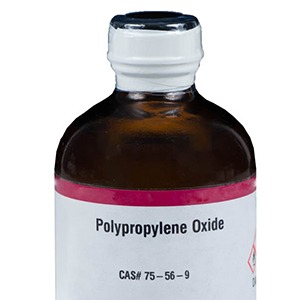
Propylene Oxide
Found this useful?