PwC Flags Regulatory Complexity as a Persistent Drag on European Commodity Assets
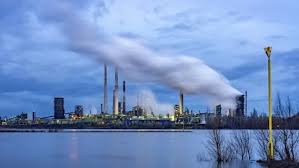
PwC's outlook highlights a structural challenge facing Europe's commodity-exposed chemical assets: regulatory complexity is adding to the pressure created by high energy costs and weak demand.
For European chemical producers, these factors can influence production economics, investment decisions, asset valuations, and long-term competitiveness.
The impact can also extend into food ingredients and specialty chemicals because many downstream products depend on European chemical manufacturing, energy-intensive processing, and complex regulatory systems.

Why Regulatory Complexity Matters
European chemical producers operate within an extensive regulatory framework covering environmental, chemical, workplace, product, and emissions requirements.
Compliance can require significant investment in:
Environmental controls
Chemical registrations
Emissions management
Product stewardship
Testing
Documentation
Safety systems
Regulatory reporting
Facility upgrades
For commodity businesses operating on relatively narrow margins, these costs can become particularly difficult to absorb.
These broader cost pressures can influence the economics of ingredients such as Citric Acid, Glycerin, Sorbitol, Propylene Glycol, Xanthan Gum, and Sodium Benzoate, particularly where European manufacturing, energy consumption, chemical feedstocks, and regulatory requirements contribute significantly to total production costs.

Sodium Benzoate (E211)
Commodity Assets Face Multiple Pressures
Regulatory complexity is only one part of the challenge.
European commodity chemical assets are also exposed to:
1. High Energy Costs
Energy-intensive production can become less competitive when European power and gas costs remain above those in lower-cost producing regions.
2. Weak Demand
Soft industrial demand can reduce capacity utilization and pressure margins.
3. Regulatory Costs
Compliance requirements can increase fixed and variable operating costs.
4. Global Competition
European producers compete with plants benefiting from lower-cost feedstocks, energy, or newer production technology.
When these pressures occur simultaneously, older European assets can face increasing structural disadvantages.
Why Asset Valuation Is Affected
The combination of high operating costs and regulatory requirements can influence how investors assess European commodity assets.
Potential concerns include:
Lower expected margins
Higher maintenance costs
Greater capital expenditure requirements
Increased compliance spending
Lower capacity utilization
Greater risk of plant closures
Reduced long-term competitiveness
This can contribute to valuation pressure and encourage companies to reconsider whether certain assets remain strategically attractive.

Implications for Food Ingredients
Food ingredients are not directly equivalent to commodity chemicals, but they can be affected through the broader manufacturing ecosystem.
European food ingredient producers can face higher costs for:
Energy
Chemical feedstocks
Utilities
Packaging materials
Transportation
Regulatory compliance
Waste treatment
These costs can ultimately influence ingredient pricing and manufacturing decisions.
The impact is likely to vary significantly by product because specialty ingredients can offer greater margins and differentiation than commodity chemicals.
Specialty Ingredients May Be Better Positioned
The regulatory and energy pressures affecting commodity assets could strengthen the strategic appeal of specialty products.
Specialty ingredients often compete through:
Product performance
Formulation expertise
Technical support
Customer relationships
Quality
Regulatory knowledge
Application-specific functionality
These characteristics can provide greater pricing differentiation than basic commodity products.
This helps explain why chemical companies may increasingly favor specialty and formulation-intensive investments over additional commodity capacity.
Competitive Intelligence
Companies monitoring European chemical markets should track several indicators alongside regulatory developments.
Energy Costs
Monitor European electricity and natural-gas economics relative to competing production regions.
Plant Utilization
Lower utilization can indicate worsening asset economics.
Capacity Closures
Permanent shutdowns can signal structural rather than cyclical weakness.
Capital Expenditure
Watch whether companies invest in modernization or reduce spending on European assets.
M&A Activity
Divestitures and acquisitions can reveal which assets investors consider strategically attractive.
Regulatory Investment
Large compliance-related capital requirements can influence future asset economics.
Procurement Considerations
Food ingredient buyers sourcing from Europe should consider the potential impact of structural cost pressures on suppliers.
Important factors include:
Manufacturing location
Energy exposure
Production capacity
Supplier financial strength
Regulatory compliance
Inventory levels
Lead times
Alternative production sites
Geographic sourcing diversification
Where European production costs become structurally higher, buyers may increasingly evaluate suppliers with manufacturing footprints in multiple regions.
Products Relevant to the European Cost Environment
The broader chemical and food ingredient cost environment can affect products such as:
Citric Acid
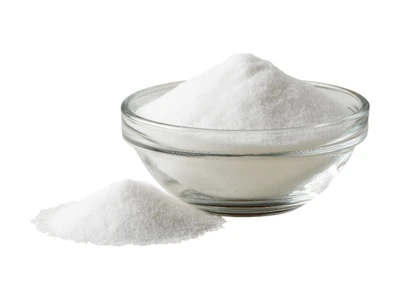
Citric Acid Anhydrous (E330)
Glycerin
Sorbitol
Propylene Glycol
Xanthan Gum
Sodium Benzoate
For these products, procurement teams can compare not only headline prices but also manufacturing location, freight costs, regulatory documentation, and supply reliability.
Looking Ahead
PwC's assessment suggests that Europe's commodity chemical challenge is increasingly structural rather than simply cyclical.
High energy costs, weak demand, regulatory complexity, and international competition can reinforce one another, putting additional pressure on older and less competitive assets.
For food ingredient manufacturers, the lesson is broader: European chemical competitiveness can influence downstream ingredient economics even when the final product is not itself a commodity chemical.
As European producers reassess their portfolios, the industry may see continued capacity rationalization, greater emphasis on specialty products, and more geographically diversified supply chains.
For procurement teams, monitoring these changes early can help identify future cost and availability risks before they appear in ingredient prices.
Key Takeaways
PwC identifies regulatory complexity as a persistent pressure on European commodity-exposed assets.
High energy costs and weak demand compound the problem.
Older European chemical assets may face increasing valuation and competitiveness pressure.
Downstream food ingredients can be affected through energy, feedstock, utility, and compliance costs.
Specialty and formulation-intensive products may offer greater resilience than commodity chemicals.
Capacity closures, M&A, and capital spending are important signals for future European supply conditions.
Food ingredient buyers should evaluate geographic diversification and supplier resilience alongside price.
Found this useful?