
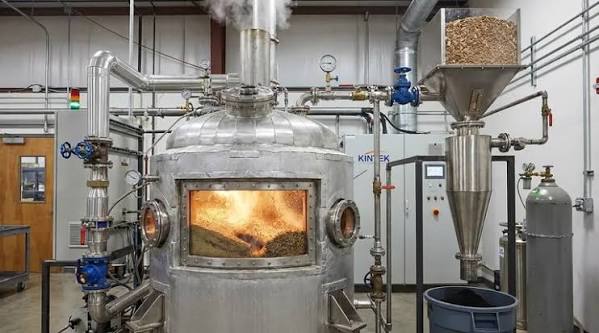
Pyrolysis Oil for Industrial Boilers: Aurora Delivers First Empyro Bio-Oil Load to FrieslandCampina
The restart of Aurora Renewable Carbon's Empyro plant has brought a renewable fuel back into industrial use, with the company delivering its first load of pyrolysis bio-oil to FrieslandCampina in Borculo, the Netherlands. The dairy producer will use the bio-oil alongside natural gas to generate steam, replacing part of the fossil fuel previously used in its production process.
This development highlights a growing opportunity for renewable feedstocks to support industrial decarbonisation. For chemical traders, procurement managers and industrial buyers, pyrolysis oil represents more than an alternative energy source. It also demonstrates how residual biomass can enter established industrial supply chains and potentially become a source of renewable chemical building blocks. Aurora's longer-term ambition to develop an integrated biorefinery in Twente connects today's fuel application with future opportunities in bio-based materials and chemicals.
How Pyrolysis Oil Turns Residual Wood into Industrial Fuel
Pyrolysis oil, also called fast pyrolysis bio-oil, is a liquid produced by heating biomass rapidly in the absence of oxygen. This process breaks down organic material into vapours that can be condensed into a dark liquid, alongside other outputs such as gases and char.
Empyro uses residual wood as its feedstock. Instead of relying entirely on newly extracted fossil resources, the process converts leftover biomass into a product that industrial facilities can use for heat generation.
The production process offers several potential advantages for resource efficiency:
Residual feedstock utilisation: Wood residues become a useful industrial input rather than remaining a low-value material.
Liquid fuel logistics: Producers can transport bio-oil in tank trucks and supply facilities equipped to receive and store it.
Industrial heat integration: Suitable boiler systems can use pyrolysis oil alongside conventional fuels, reducing the amount of fossil fuel required.
The commercial value depends on the quality of the feedstock, the conversion process and the requirements of the final application. Buyers must evaluate pyrolysis oil according to its intended use rather than assuming it behaves like conventional petroleum products.
Aurora's First Empyro Delivery to FrieslandCampina
Aurora's initial delivery marks the return of Empyro bio-oil to an established industrial customer after the plant's restart. FrieslandCampina will use the renewable liquid fuel for steam generation at its Borculo facility, where steam supports dairy processing operations.
Co-firing is central to this arrangement. Rather than requiring an immediate, complete switch away from natural gas, the facility can combine pyrolysis oil with gas in a boiler designed to accommodate both fuels.
This approach matters for manufacturers that need reliable heat throughout their production schedules. Dairy processing requires dependable thermal energy for operations such as milk powder drying, so any alternative fuel must fit within strict operational requirements.
The delivery also illustrates the importance of coordination across the supply chain. Bio-oil producers need reliable feedstock supplies and conversion capacity, while industrial customers need consistent fuel quality, suitable storage arrangements and a dependable delivery schedule.
For procurement teams, the key development is the practical integration of a renewable feedstock into an existing production environment. It shifts the discussion from whether biomass-derived fuels can serve industry to how suppliers and buyers can organise reliable commercial supply.
Why Renewable Boiler Fuels Matter to Chemical Buyers
Industrial heat remains a significant procurement consideration for manufacturers that depend on continuous steam or high-temperature processes. Switching part of a facility's fuel mix can affect energy sourcing, operating costs, emissions accounting and long-term supplier relationships.
Pyrolysis oil offers buyers another option to assess when developing lower-carbon energy strategies. Its relevance extends beyond dairy manufacturing to other industrial operations that can accommodate suitable bio-oils.
Three commercial factors deserve particular attention:
Fuel diversification: An additional fuel source can reduce reliance on a single fossil energy input, although buyers must assess the availability and economics of each option.
Supply-chain development: Demand from industrial users can encourage investment in biomass collection, processing facilities, transport services and quality assurance.
Renewable carbon opportunities: Bio-oil can serve as an energy product today while also offering a potential route to recover useful chemical fractions for other applications.
The opportunity is not identical for every buyer. Facilities with compatible boilers and access to dependable bio-oil supplies may find integration more practical than plants that require major equipment changes.

The Technical and Supply Requirements for Pyrolysis Oil
Industrial buyers cannot evaluate pyrolysis oil using price alone. Its physical and chemical properties differ from those of conventional fossil fuels, which means the receiving equipment, storage system and fuel-handling procedures must match the product specification.
Procurement teams should examine several factors before committing to a contract.
Fuel quality and consistency: Buyers should request a current technical data sheet and certificate of analysis. Relevant parameters can include water content, viscosity, acidity, ash content and sulfur and nitrogen levels, depending on the product grade and boiler requirements.
Equipment compatibility: Bio-oil may require different materials, handling arrangements and operating settings from conventional fuels. Engineering teams should confirm compatibility with burners, pumps, seals, tanks and emissions-control equipment before introducing a new supply.
Storage and transport: Suppliers and buyers need agreed procedures for sampling, tank storage, temperature management where required and safe transfer. The product's characteristics can influence its stability and handling requirements, so standard fuel procedures may not always apply.
Continuity of supply: Industrial operations need predictable deliveries, especially when steam generation supports essential production processes. Contracts should establish delivery schedules, acceptable product specifications, contingency arrangements and procedures for dealing with off-specification batches.
These requirements create opportunities for specialist suppliers that can provide consistent product quality and dependable logistics. They also make technical collaboration between producers, boiler operators and procurement teams essential to commercial success.
From Bio-Oil Deliveries to a Renewable Chemical Value Chain
Aurora's ambitions extend beyond supplying fuel for industrial boilers. The company sees Empyro as a starting point for an integrated biorefinery in Twente that could convert residual wood into higher-value bio-based chemicals and materials.
This direction could change how buyers assess biomass-derived products. A feedstock that initially serves an energy application may also contain components that producers can separate and process into materials for chemical manufacturing.
For chemical traders, this creates several areas to watch:
Bio-based chemical intermediates: Further processing could generate renewable alternatives to selected fossil-derived chemical inputs.
Industrial material applications: Recovered fractions may serve as feedstocks for products such as bio-based insulation materials, depending on their composition and processing requirements.
Cross-industry partnerships: Biomass processors, chemical manufacturers and industrial users can create demand through long-term supply agreements and coordinated investment.
Aurora's broader strategy reflects a move towards using renewable carbon more efficiently. Instead of treating biomass solely as a fuel, an integrated biorefinery can seek to capture additional value from different components of the same feedstock.
For buyers, however, each resulting material will need its own technical specifications, commercial assessment and end-use qualification. Potential future products should not be treated as interchangeable with established chemical grades until their performance and quality meet the relevant application requirements.
Sustainability, Traceability and Responsible Sourcing
The sustainability case for pyrolysis oil depends partly on where the biomass originates and how the producer processes it. Residual wood can provide a useful renewable feedstock, but buyers still need evidence that sourcing practices and production methods meet their environmental and commercial requirements.
Aurora identifies certified residual wood as the feedstock for its renewable bio-oil. This provides an important starting point for buyers evaluating the origin of the material and its place in a broader sustainability strategy.
Procurement teams should request documentation covering:
Feedstock origin: Records should identify the biomass source and support claims about residual material use.
Sustainability certification: Buyers should check the relevant certification scheme, its scope and whether the documentation covers the product and intended application.
Emissions accounting: Environmental assessments should consider the agreed accounting methodology and relevant parts of the supply chain, including processing and transport.
Regulatory compliance: Suppliers should provide applicable safety documentation and evidence that the product meets the requirements of the destination market and installation.
Clear documentation helps buyers compare offers on a consistent basis. It also supports internal reporting, supplier assessments and communication with customers who require evidence of renewable sourcing.
Sustainability claims should reflect the actual product and its documented supply chain. Procurement teams gain greater confidence when suppliers provide traceable records rather than relying on broad descriptions such as green, circular or renewable.
Market Outlook: What Could Drive Industrial Bio-Oil Demand?
Aurora's renewed delivery to FrieslandCampina demonstrates a practical route for connecting biomass processing with industrial energy demand. The wider commercial opportunity will depend on how effectively producers scale supply, maintain quality and compete with established fuels.
Several factors could influence adoption across industrial markets.
First, manufacturers seeking to reduce fossil fuel consumption may evaluate bio-oil where their existing equipment can accommodate it. Co-firing can provide a transitional option because it allows plants to introduce renewable fuel without necessarily eliminating conventional fuel backup.
Second, dependable feedstock availability will influence production economics. Bio-oil producers need sufficient quantities of suitable biomass, while transport distances and processing costs can affect the delivered price and reliability of supply.
Third, industrial buyers will compare the total cost of using bio-oil with alternatives. This assessment should include fuel price, conversion efficiency, equipment modifications, storage requirements, maintenance and any applicable emissions-related costs.
Finally, the development of integrated biorefineries could broaden the market beyond industrial heat. If producers recover commercially useful chemical fractions from bio-oil, the resulting materials may create additional opportunities for chemical distributors and industrial buyers.
These factors make supplier capability and project execution as important as the headline fuel price. Buyers should monitor commercial production, product availability and technical performance rather than assume that every proposed renewable fuel project will offer the same benefits.
What Procurement Teams Should Do Next
The first Empyro bio-oil delivery to FrieslandCampina provides a useful example of how renewable feedstocks can enter established industrial operations. For chemical traders and industrial procurement managers, the next step is to translate this development into a structured supplier and technology assessment.
Begin by identifying facilities where renewable liquid fuels may suit existing heat-generation systems. Then work with engineering and sustainability teams to define acceptable product specifications, operating requirements and documentation standards.
Before negotiating a supply agreement, buyers should:
Define the application. Establish whether the product will support boiler co-firing, replace another industrial fuel or serve a different approved process.
Request technical documentation. Obtain specifications, analytical results, safety information and evidence of feedstock traceability.
Assess total delivered cost. Compare transport, storage, equipment compatibility and operating requirements alongside the quoted fuel price.
Review supplier reliability. Examine production capacity, delivery schedules, contingency plans and the supplier's ability to maintain consistent quality.
Set measurable performance criteria. Agree on acceptance testing, delivery tolerances and the information required to assess operational and environmental performance.
For chemical traders, the emerging opportunity lies in connecting renewable feedstock producers with customers that need reliable industrial inputs. Companies that understand product quality, logistics and sustainability documentation will be better positioned to evaluate new supply relationships as the market develops.
Pyrolysis oil illustrates how residual biomass can support both industrial energy needs and the longer-term development of renewable chemical value chains. Aurora's work with FrieslandCampina offers a concrete example of that transition, while the planned biorefinery direction points towards opportunities that could extend into specialty feedstocks and bio-based materials.

Methanol
Found this useful?