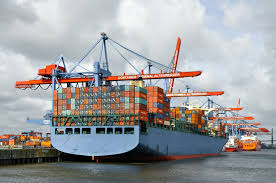
Q4 Global Chemical Freight Rates Stabilize as Container Capacity Normalizes
Q4 Global Chemical Freight Rates Stabilize as Container Capacity Normalizes
After several quarters of sharp swings in ocean freight costs, indices tracking container rates—including those relevant to specialized chemical movements—have shown clearer signs of stabilization heading into the fourth quarter. Capacity growth has outpaced demand on major lanes, blank-sailing discipline has eased on some routes, and the gradual return of more normal routing patterns has released effective tonnage back into the market. For chemical importers and distributors that rely on containerized and isotank movements, the shift creates a more workable environment for securing longer-term carrier contracts instead of living quarter-to-quarter on the spot market.
From Volatility to a More Predictable Range
The post-pandemic and geopolitics-driven freight cycle left many chemical shippers facing rapid rate spikes, sudden capacity withdrawals and unreliable transit times. Specialized chemical containers and tank containers were not immune: allocation was tight, surcharges proliferated, and contract negotiations were repeatedly overtaken by spot-market moves. In Q4, the combination of new vessel deliveries, softer demand growth and improving effective capacity has pulled headline indices lower or into a narrower band on key Asia–Europe and transpacific trades. That does not mean rates are “cheap” in absolute terms, but the direction of travel has become more predictable.
Capacity Normalization and Routing Effects
Global container fleet growth continues to run ahead of cargo demand. As more vessels return to traditional routings and as the artificial capacity tightness created by longer diversions eases, the ton-mile balance is shifting. On several main lanes, the number of blank sailings has moderated even while overall available capacity rises. For chemical cargoes that move in containers or as part of mixed consolidations, this translates into improved space availability and less frantic week-to-week allocation battles—provided shippers plan ahead of residual peak-season and holiday effects.
Implications for Chemical Importers
Stabilizing freight indices give procurement and logistics teams a practical opening to lock in multi-month or annual contracts with clearer rate structures and service commitments. Longer-term contracts reduce exposure to sudden spot spikes and make landed-cost forecasting more reliable for intermediates, specialties and packaged chemicals. At the same time, shippers must still build in buffers for residual volatility: weather, port congestion, residual geopolitical risk and carrier network adjustments can still disrupt schedules. The advantage of the current environment is that those risks can be priced and contracted for more rationally than during the height of the rate spikes.
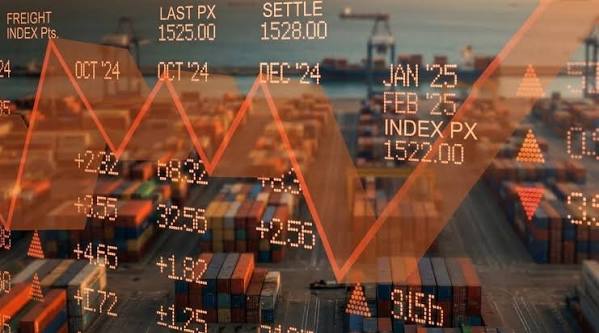
Contract Strategy in a Post-Volatility Market
With rates no longer moving in only one direction, the balance of negotiating power has shifted somewhat back toward cargo interests. Carriers remain focused on protecting utilization and market share, which supports discussions around volume commitments in exchange for more stable pricing and priority space. Chemical shippers that can offer consistent, forecastable volumes—especially on lanes where they move hazardous or temperature-sensitive products—are better placed to secure favorable terms. Dual-carrier strategies and a measured mix of contract and spot exposure remain prudent.
Specialized Chemical and Isotank Considerations
Not all chemical freight moves in standard dry containers. Liquid chemicals in isotanks, regulated hazardous goods and products requiring specific stowage or documentation still face tighter operational constraints. Stabilization in headline indices helps the overall cost environment, but specialized equipment availability and carrier willingness to handle certain cargoes remain separate variables. Importers should confirm that contract rates and allocations explicitly cover the equipment and service levels their products require, rather than assuming general container market relief automatically extends to every chemical movement.
What Could Reintroduce Volatility
Geopolitics, canal disruptions, sudden demand surges or aggressive capacity withdrawal by carriers could still push rates higher again. Regulatory costs and environmental surcharges are also structural rather than cyclical. The current stabilization is therefore best treated as a window of opportunity rather than a permanent return to pre-crisis conditions. Monitoring weekly indices, blank-sailing announcements and equipment availability will remain part of routine logistics management.
Outlook
Q4 stabilization in global container freight rates, driven by capacity normalization, gives chemical importers a clearer basis for longer-term carrier contracts after an extended period of extreme volatility. Those that move quickly to lock in rates and space on their critical lanes can improve cost predictability and reduce operational risk into 2027. Those that wait for further declines risk missing the most favorable contracting window if demand rebounds or if carriers tighten capacity again. In either case, the market has moved from crisis pricing toward a more negotiable, capacity-rich environment—and chemical supply chains that adapt their contracting approach accordingly will be better positioned for the year ahead.
Sources

Alkalized Reddish Brown Cocoa Powder
Found this useful?