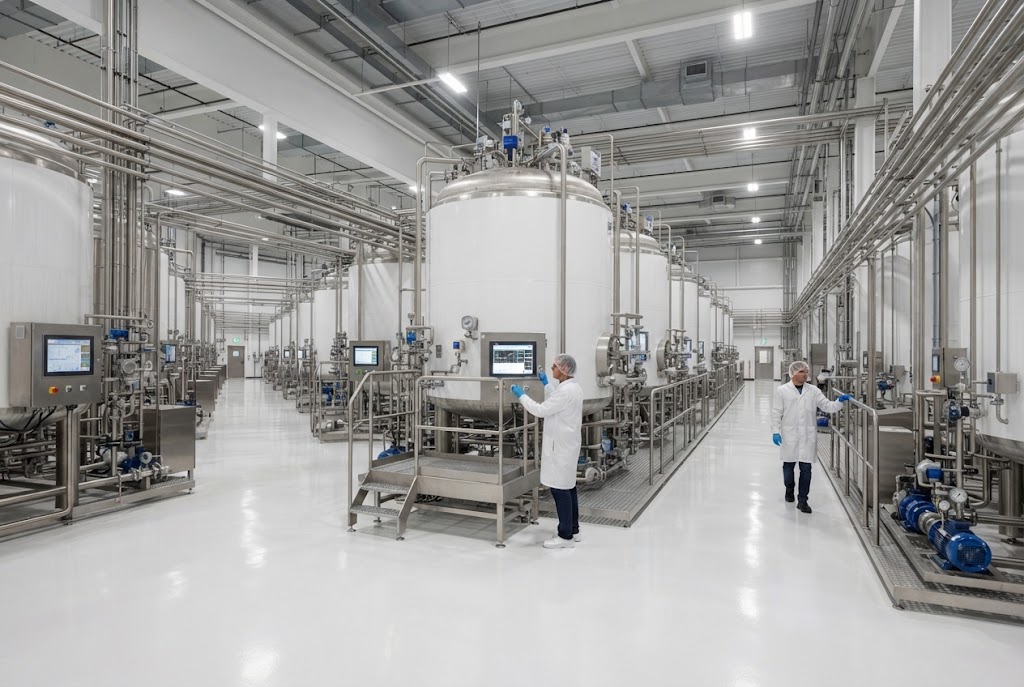
Qore's Iowa Plant Showcases Genomatica's Biobased BDO at Commercial Scale
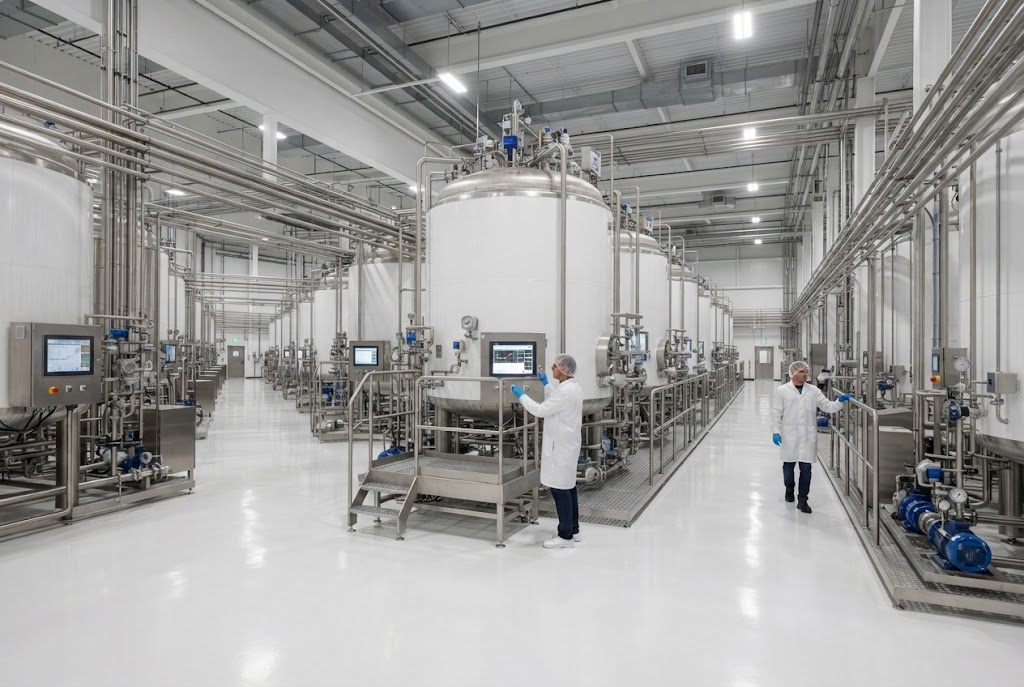
The acquisition of Genomatica by Copenhagen-based Again gains immediate credibility through existing commercial operations. Qore’s facility in Iowa stands as a powerful testament to the scalability of this technology. The plant successfully produces biobased 1,4-butanediol from renewable sugar feedstocks at an industrial level.
This operational reality removes much of the technical risk associated with early-stage biomanufacturing ventures. Procurement managers and chemical traders can view the Iowa plant as a proven reference point for future production. It demonstrates that biological synthesis can compete with traditional petrochemical routes in terms of volume and consistency.
Buyers seeking sustainable alternatives to fossil-based BDO now have a verified source of supply. The success of Qore validates the core intellectual property that Again is integrating into its platform. This milestone signals a maturing market for high-performance biobased polymers and intermediates.
The Iowa facility serves as a blueprint for how genetic engineering and fermentation can transform industrial chemistry. It proves that complex molecules can be produced efficiently from agricultural resources. This capability is central to the strategic value of the Again-Genomatica merger.
Validating Commercial-Scale Biomanufacturing Capabilities
Scaling biological processes from the laboratory to full commercial production is notoriously difficult. Many promising technologies fail to maintain yield and purity when moving to larger reactors. The Qore plant in Iowa overcomes these challenges by utilizing Genomatica’s optimized microbial strains.
These engineered microorganisms convert sugar into 1,4-butanediol with high efficiency and selectivity. The process operates continuously which ensures a steady flow of product for downstream customers. This reliability is crucial for industrial buyers who cannot tolerate supply interruptions.
The commercial success in Iowa provides tangible proof of concept for potential investors and partners. It shows that biobased chemicals can meet the rigorous quality standards of major industrial applications. Procurement teams can confidently specify these materials knowing they are backed by proven production data.
Again will leverage this operational experience to accelerate the deployment of similar facilities globally. The lessons learned in Iowa regarding strain stability and process control are invaluable. This knowledge base reduces the time and cost required to bring new biobased products to market.
The Strategic Role of 1,4-Butanediol in Sustainable Polymers
1,4-butanediol (BDO) is a critical building block for several high-value polymer families. It is primarily used to produce polybutylene terephthalate (PBT) engineering plastics and polyurethanes. These materials are essential for automotive components electronics and construction applications.
Biobased BDO offers identical physical and chemical properties to its petroleum-derived counterpart. This drop-in characteristic allows manufacturers to switch to sustainable feedstocks without retooling their production lines. It simplifies the adoption process for converters and end-users significantly.
The demand for biobased BDO is growing as brands seek to reduce the carbon footprint of their products. Automotive manufacturers use PBT for lightweight parts that improve fuel efficiency. Electronics companies utilize it for durable casings and connectors in consumer devices.
Qore’s ability to produce this molecule at scale addresses a significant gap in the sustainable materials market. It provides buyers with a viable alternative to fossil-based BDO that does not compromise on performance. This availability supports broader corporate sustainability goals across multiple industries.
Sugar-Based Feedstocks and Supply Chain Resilience
The Iowa plant relies on renewable sugars derived from corn and other agricultural crops. This feedstock choice diversifies the input sources for chemical production beyond fossil fuels. It reduces dependence on volatile oil and gas markets which are subject to geopolitical disruptions.
Sugar supplies are generally more stable and locally available in many regions compared to crude oil. This localization enhances supply chain resilience for chemical manufacturers and their customers. Procurement managers can source materials with greater confidence in long-term availability.
However the use of agricultural feedstocks requires careful management of sustainability criteria. Buyers must ensure that the sugar sources do not contribute to deforestation or food insecurity. Certifications such as ISCC PLUS help verify the responsible sourcing of these biomass inputs.
Again plans to expand this sugar-based model to other regions with abundant agricultural resources. This geographic diversification will further strengthen the global supply chain for biobased chemicals. Traders should anticipate new production hubs emerging in key farming regions worldwide.
Impact on Global Trade Flows for Biobased Chemicals
The commercial success of the Iowa plant influences global trade dynamics for 1,4-butanediol and its derivatives. North America becomes a net exporter of high-value biobased intermediates to other regions. This shift reduces the reliance of European and Asian buyers on traditional petrochemical suppliers.
Chemical traders must adapt to new documentation requirements for biobased products. Proof of origin and carbon footprint data will become standard in international transactions. Suppliers who can provide transparent and auditable sustainability credentials will gain a competitive advantage.
Importers and exporters should monitor the expansion of similar facilities in other parts of the world. As more plants come online the global supply of biobased BDO will increase. This growth will likely lead to more competitive pricing and broader market adoption over time.
The integration of Genomatica’s technology into Again’s platform will accelerate this global expansion. The combined entity can license its proven processes to partners in key manufacturing regions. This strategy enables rapid scaling without the need for massive capital expenditure by a single company.
Regulatory Drivers Supporting Biobased Adoption
Government policies in the United States and Europe increasingly favor biobased chemicals. Tax incentives and subsidies support the development of bio-manufacturing facilities like the one in Iowa. These regulatory tailwinds create a favorable economic environment for sustainable chemical production.
Corporate sustainability mandates also drive demand for biobased 1,4-butanediol. Major brands are committing to reducing their Scope 3 emissions by sourcing greener raw materials. The availability of commercial-scale biobased BDO makes these commitments achievable for many companies.
Sustainability certification schemes recognize sugar-based pathways as valid low-carbon options. Obtaining these certifications allows buyers to claim significant carbon reductions in their final products. The Qore plant serves as a model for how to achieve these certifications effectively.
Regulatory clarity around biomass sourcing continues to improve in major markets. This stability encourages long-term investment in biological manufacturing facilities. Buyers can confidently commit to sugar-derived chemicals knowing they meet current and future compliance standards.
What Procurement Teams Should Do Now
Procurement leaders must evaluate their current BDO supply chains for decarbonization opportunities. Engaging with suppliers who offer verified biobased alternatives is a direct path to reducing emissions. The Qore plant demonstrates that these materials are ready for prime-time industrial use.
Buyers should request detailed lifecycle assessments from their chemical providers regularly. Understanding the exact carbon footprint of biobased BDO is crucial for accurate environmental reporting. Suppliers with transparent data will become preferred partners in the coming years.
Building strategic relationships with innovators like Again and Qore ensures priority access to emerging green materials. Early adopters gain a distinct competitive advantage by securing supply before market demand outpaces production. Procurement teams must act now to future-proof their chemical sourcing strategies.
Negotiating long-term contracts for sustainable chemicals can help lock in favorable pricing. These agreements provide suppliers with the revenue certainty needed to expand their green production capacity. Collaborative partnerships will define the next era of B2B chemical trading.
The Bottom Line for Chemical Buyers
The Qore facility in Iowa proves that Genomatica’s technology is commercially viable for producing 1,4-butanediol. This success validates the core asset that Again is acquiring through its recent merger. Buyers and traders can now rely on a proven supply source for high-performance biobased chemicals.
The shift from fossil fuels to renewable sugars enhances supply chain resilience and sustainability. Companies that integrate these verified materials into their portfolios will lead the transition toward a greener economy. The future of chemical trading belongs to those who embrace scalable biological manufacturing. Ready to source Lactic Acid from verified global suppliers? Explore competitive offers on our platform today.

Lactic Acid (E270)
Found this useful?