Ranking 2026's Chemical Industry Trade Show Calendar: ISPE Singapore Joins a Busy Season
The second half of 2026 is shaping up to be an especially active period for chemical, pharmaceutical and process-industry trade shows.
With ISPE 2026 in Singapore joining events across Europe, North America and the Middle East, the late-year calendar offers chemical manufacturers, suppliers, traders and procurement teams multiple opportunities to identify new technologies, meet suppliers and monitor emerging market trends.
For companies operating across chemical and pharmaceutical value chains, these events are more than networking opportunities. Trade shows can provide early visibility into new products, manufacturing technologies, capacity investments, sourcing relationships and regulatory priorities.
Why the 2026 Trade Show Calendar Matters
Trade shows provide a concentrated view of industry activity.
In just a few days, companies can:
Meet multiple suppliers
Compare competing technologies
Evaluate new equipment
Discover chemical products
Identify potential partners
Monitor competitor activity
Build distribution relationships
For procurement teams, this can significantly reduce the time required to identify qualified suppliers.
ISPE Singapore Adds an Asian Hub
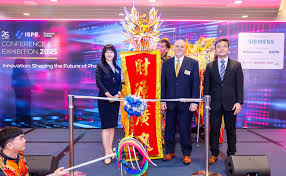
The ISPE Singapore Conference & Exhibition 2026 adds an important Asian event to the late-2026 calendar.
Singapore's position as a pharmaceutical and advanced-manufacturing hub makes the event particularly relevant to companies operating across:
Pharmaceuticals
Biopharmaceuticals
Process engineering
Manufacturing technology
Cleanrooms
Automation
Quality systems
Its location also makes it accessible to companies across Southeast Asia and the wider Asia-Pacific region.
Pharmaceutical and Chemical Markets Are Increasingly Connected
The overlap between chemical and pharmaceutical manufacturing continues to grow.
Both industries depend on:
Process technology
Specialty chemicals
High-purity materials
Automation
Quality control
Regulatory compliance
Reliable supply chains
This makes pharmaceutical-focused exhibitions increasingly relevant to chemical suppliers.
Late 2026 Offers Multiple Regional Opportunities
The broader calendar spans several important industrial centers.
Events across Vienna, Boston, Saudi Arabia, Singapore and Indianapolis create opportunities for companies to engage with different regional markets without relying on a single global exhibition.
Each location offers a different commercial perspective.
Europe: Technology and Regulation
European events provide access to one of the world's most sophisticated chemical and pharmaceutical markets.
Key themes include:
Sustainability
Process efficiency
Digitalization
Regulatory compliance
Advanced materials
Industrial decarbonization
For suppliers entering Europe, these events can provide valuable insight into buyer expectations.
Boston: Biotechnology and Pharmaceutical Innovation
Boston remains one of the world's leading pharmaceutical and biotechnology clusters.
Events held in the region can provide exposure to:
Drug-development technologies
Bioprocessing
Laboratory equipment
Pharmaceutical ingredients
Manufacturing platforms
Chemical suppliers targeting pharmaceutical customers can use these events to identify downstream demand.
Saudi Arabia: Industrial Expansion
Saudi Arabia is becoming increasingly important to global chemical and industrial investment.
The country's strategy emphasizes:
Petrochemicals
Specialty chemicals
Manufacturing
Energy
Industrial diversification
Trade events in the region can therefore provide opportunities to identify new projects and procurement requirements.
Indianapolis: Pharmaceutical Manufacturing
Indianapolis is another important pharmaceutical manufacturing center.
Industry events there can connect chemical suppliers with:
Pharmaceutical manufacturers
Contract manufacturers
Equipment providers
Laboratory specialists
Supply-chain professionals
For specialty-chemical companies, these connections can translate into new customer opportunities.
Trade Shows Are Also Market-Intelligence Sources
The value of an exhibition extends beyond the exhibition floor.
Companies can monitor:
Which products are being launched?
Which technologies are attracting attention?
Which markets are receiving investment?
Which suppliers are expanding internationally?
Which customers are seeking alternatives?
This makes trade shows useful sources of competitive intelligence.
New Product Launches Can Reveal Market Direction
Exhibitors often use major industry events to introduce new products.
These may include:
Specialty chemicals
Process equipment
Laboratory instruments
Automation systems
Packaging technologies
Sustainable materials
Tracking product launches across several events can reveal which technologies are moving toward commercialization.
Supplier Relationships Can Start at Trade Shows
For procurement teams, face-to-face meetings can accelerate supplier qualification.
A buyer can quickly evaluate:
Manufacturing footprint
Technical expertise
Product portfolio
Certifications
Export capabilities
Commercial flexibility
This can be more efficient than conducting an initial evaluation entirely through digital channels.
Trade Shows Can Help Diversify Supply Chains
Supply-chain diversification has become a major priority for chemical buyers.
Events provide an opportunity to discover suppliers from:
China
India
Southeast Asia
Europe
North America
Middle East
This broader supplier pool can reduce dependence on individual producers or regions.
The Importance of Regional Networking
Different trade shows attract different audiences.
An event in Singapore may provide stronger access to Asian manufacturers.
A European exhibition may provide better access to EU buyers and technology companies.
A Saudi event can provide stronger exposure to Middle Eastern industrial investment.
Selecting the right event therefore depends on the company's commercial objective.
What Procurement Teams Should Look For
Procurement professionals attending late-2026 events should focus on:
New suppliers
Capacity expansions
Product alternatives
Pricing trends
Certifications
Logistics capabilities
Sustainability credentials
Long-term supply agreements
The objective should be to leave the event with actionable supplier intelligence rather than simply collecting brochures.
What Chemical Traders Should Watch
Traders can use exhibitions to identify:
New producers
Export-oriented manufacturers
Regional distributors
Emerging products
Capacity additions
Market-entry strategies
Informal conversations can also provide early signals about supply and demand conditions.
Technology Trends Worth Monitoring
Across chemical and pharmaceutical trade shows, several themes are likely to remain prominent in 2026:
Automation
Manufacturers continue investing in automated production and quality systems.
Digitalization
AI, analytics and connected manufacturing are becoming more important.
Sustainability
Companies increasingly highlight lower-carbon production and resource efficiency.
Advanced Materials
Specialty materials are expanding into electronics, healthcare and energy applications.
Process Efficiency
Energy and raw-material efficiency remain major priorities.
Trade Shows Can Reveal Competitive Positioning
The size and quality of a company's exhibition presence can also provide market signals.
A company investing heavily in international exhibitions may be:
Entering new markets
Launching products
Expanding distribution
Building a global customer base
Preparing for capacity growth
This makes trade-show participation another useful competitive-intelligence indicator.
Digital Meetings Cannot Fully Replace Physical Events
Virtual meetings have made supplier discovery easier, but physical events provide a different type of interaction.
Face-to-face discussions allow buyers to:
Compare suppliers directly
Inspect equipment
Discuss technical issues
Build relationships
Evaluate credibility
For complex chemical and pharmaceutical supply relationships, these factors can remain important.
Looking Ahead
The late-2026 trade show calendar demonstrates how interconnected the chemical and pharmaceutical industries have become.
From Singapore to Vienna, Boston, Saudi Arabia and Indianapolis, companies have multiple opportunities to engage with different regional markets and technology ecosystems.
ISPE Singapore is particularly relevant because it strengthens the Asia-Pacific component of this calendar while connecting pharmaceutical manufacturing with process technology, quality and supply-chain innovation.
For chemical traders, these events can reveal new producers and markets.
For procurement teams, they can accelerate supplier discovery and diversification.
For manufacturers, they can provide visibility into competitor strategies and emerging technologies.
The most valuable companies will not simply attend more trade shows.
They will use the events to collect intelligence, identify qualified partners and convert industry conversations into measurable commercial opportunities.
Key Takeaways
ISPE Singapore adds an important Asia-Pacific event to an already busy late-2026 chemical and pharmaceutical trade-show calendar.
Major events across Europe, North America, the Middle East and Asia provide access to different customer and supplier markets.
Trade shows can help procurement teams identify suppliers, alternatives and new technologies.
Chemical and pharmaceutical exhibitions increasingly overlap around process technology, specialty chemicals, automation and sustainability.
New product launches can provide early signals about emerging market opportunities.
Face-to-face meetings can accelerate supplier qualification and relationship building.
Regional events can support supply-chain diversification across Asia, Europe, North America and the Middle East.
Traders can use exhibitions to identify new producers, distributors and export opportunities.
Trade-show participation itself can provide competitive intelligence about companies entering new markets or expanding product portfolios.
The greatest value comes from converting exhibition activity into actionable market and supplier intelligence.
Glacial Acetic Acid (99% min) - Taiwan
Found this useful?