Ranking 2026's Cumulative Restructuring Toll: BASF, Dow, Solvay and Celanese All Cutting
The scale of chemical-sector restructuring in 2026 is becoming increasingly difficult to view as a collection of isolated corporate cost programs.
BASF, Dow, Solvay and Celanese are each taking actions to reduce costs, rationalize assets, simplify portfolios or retreat from less competitive commodity businesses. Taken together, these moves provide a useful measure of how deeply the current combination of weak demand, high operating costs, excess capacity and regional competitiveness pressures is affecting major chemical producers.
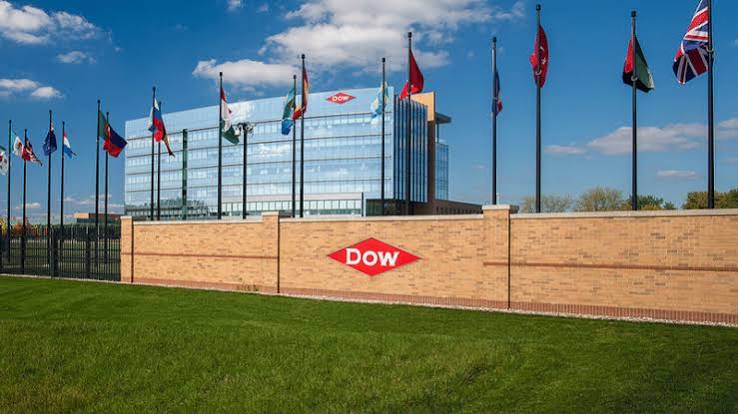
BASF has targeted approximately €2.7 billion in annual cost savings by the end of 2026, while Dow is working toward a previously announced $2 billion cost-savings target. Solvay continues to reduce exposure to structurally challenged commodity activities, while Celanese has been actively reviewing and marketing assets as part of its broader portfolio transformation.
The important intelligence signal is therefore cumulative.
Across several major producers, restructuring is no longer simply about improving quarterly margins. It is increasingly about changing the underlying cost and asset structure of the European and global chemical industry.
BASF's Restructuring Program Sets the Scale
BASF remains one of the clearest examples of the magnitude of restructuring taking place across the sector.
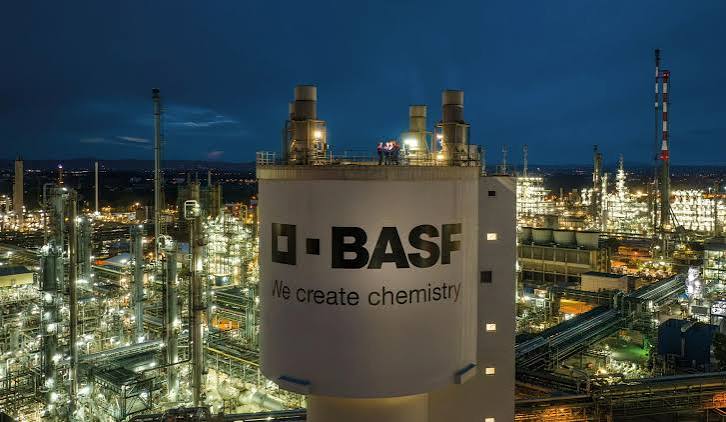
The company has been implementing a major cost-reduction program targeting approximately €2.7 billion in annual savings by the end of 2026.
The program is designed to address structural cost disadvantages and improve competitiveness across the group's operations.
Its measures include:
Lower operating expenses
Organizational simplification
Production optimization
Reduced administrative costs
Portfolio adjustments
Capacity rationalization
Greater efficiency across business units
The scale of the target demonstrates that restructuring has moved well beyond traditional short-term cost cutting.
BASF's European Exposure Makes the Program Significant
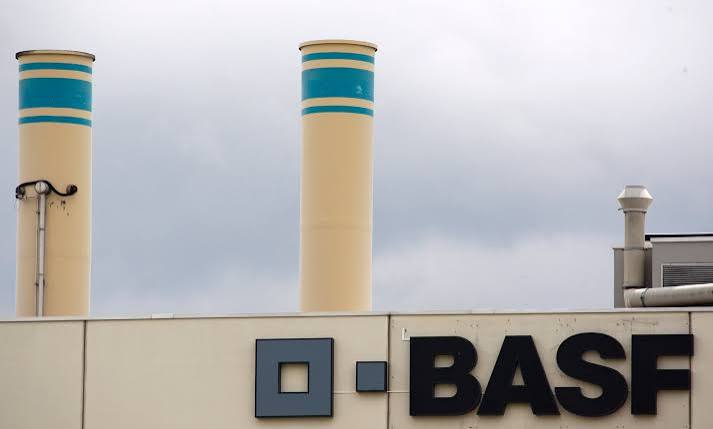
BASF's restructuring is particularly important because of the company's large European manufacturing footprint.
European chemical producers continue to face:
High energy costs
Weak industrial demand
Regulatory complexity
Carbon-related costs
Global overcapacity
Increasing competition from lower-cost regions
For BASF, these pressures create a need to improve the economics of its European operations while protecting businesses with stronger long-term growth potential.
Dow Provides a Second Major Benchmark
Dow represents another important restructuring benchmark.
The company has been pursuing a broader cost-savings program with a target of approximately $2 billion, with a portion of those savings already realized.
Dow's program has included:
Headcount reductions
Facility rationalization
Operating-cost reductions
Portfolio optimization
Manufacturing efficiency initiatives
Lower corporate expenses
The program shows that restructuring pressure is not limited to Europe.
Global chemical producers are also reassessing their cost structures as demand remains uneven.
Dow's Savings Are More Than a Margin Exercise
Cost savings can provide an immediate improvement to earnings.
But the deeper significance of Dow's program is that it reflects a change in how large producers are managing capital.
Instead of simply adding capacity, companies are increasingly asking:
Which assets generate acceptable returns?
Which facilities remain structurally competitive?
Where is demand actually growing?
Which businesses require excessive capital?
Which operations can be consolidated?
This creates a more disciplined approach to capital allocation.

Biotin
Solvay's Commodity Pullback Adds Another Dimension
Solvay's restructuring story differs from BASF and Dow because the company is placing particular emphasis on portfolio quality and exposure to structurally challenged commodity markets.
The company has been reducing its exposure to weaker commodity activities while focusing more heavily on higher-value specialty and differentiated businesses.
This strategy reflects a broader industry trend.
When commodity markets remain oversupplied, simply cutting operating expenses may not be enough.
Companies may need to change what they produce and where they compete.
Soda Ash Pressure Highlights the Problem
Solvay's recent performance demonstrates why commodity exposure remains challenging.
Weakness in soda ash has weighed on earnings, while European operating conditions have added further pressure.
This combination illustrates the difficulty of maintaining profitability when a business faces both cyclical demand weakness and structural cost disadvantages.
Portfolio rationalization can therefore become more attractive than attempting to preserve every legacy operation.
Celanese Is Taking a Different Route
Celanese provides another important restructuring case.
The company has been actively reviewing its portfolio and marketing assets as it works to improve its financial position and simplify its business structure.
Its actions include:
Asset sales
Portfolio optimization
Capacity adjustments
Cost reductions
Working-capital discipline
Debt reduction efforts
This represents a different form of restructuring from BASF's large-scale cost program.
Instead of relying primarily on operating savings, Celanese can also generate value by changing the composition of the portfolio itself.
Four Companies, One Broad Industry Signal
The restructuring strategies of BASF, Dow, Solvay and Celanese are not identical.
But they share several characteristics.
BASF
Large-scale cost transformation
Dow
Global cost and manufacturing optimization
Solvay
Commodity exposure reduction
Celanese
Portfolio simplification and asset monetization
Together, these actions show how chemical companies are using multiple restructuring tools simultaneously.
Ranking the Restructuring Signals
From an industry-intelligence perspective, the four programs can be viewed as follows.
1. BASF — Largest Explicit Cost Target
BASF's approximately €2.7 billion annual savings target represents one of the largest clearly defined restructuring programs among major European chemical producers.
2. Dow — Major Global Cost Program
Dow's approximately $2 billion savings objective provides a comparable benchmark for the scale of restructuring occurring at a global chemical major.
3. Celanese — Portfolio Transformation
Celanese's active asset-marketing and portfolio actions demonstrate how financial pressure can translate into divestitures and business simplification.
4. Solvay — Commodity Retrenchment
Solvay's pullback from structurally challenged commodity activities highlights the strategic rather than purely financial side of restructuring.
The Cumulative Toll Is Larger Than Any One Program
Looking at each company separately can understate the significance of the trend.
BASF and Dow alone represent several billion dollars of targeted annual savings.
Add Solvay's portfolio rationalization and Celanese's asset-marketing activity, and the combined restructuring footprint becomes much larger.
However, these figures should not simply be added together as if every dollar represented the same type of saving.
Some programs involve:
Recurring operating savings
Asset-sale proceeds
Capacity reductions
Portfolio exits
One-time restructuring benefits
The correct intelligence conclusion is therefore about scale and direction, rather than a single combined savings number.
Why Chemical Companies Are Restructuring
Several structural forces are driving the trend.
Weak Demand
Industrial customers remain cautious in several major end markets.
Energy Costs
European producers continue to face higher energy costs than many international competitors.
Overcapacity
New capacity in several chemical chains has intensified competition.
Regulatory Pressure
Environmental and chemical regulations continue increasing compliance requirements and investment needs.
Capital Discipline
Investors are increasingly demanding better returns on capital.
Portfolio Quality
Companies are becoming less willing to maintain businesses with structurally weak margins.
Europe Faces the Greatest Structural Pressure
European producers face a particularly difficult combination.
A typical commodity chemical facility may have to compete with producers benefiting from:
Lower energy prices
Lower feedstock costs
Larger-scale plants
Newer technology
Growing domestic demand
Less expensive regulatory compliance
This creates pressure to either improve productivity or reduce exposure.
Restructuring Can Mean Different Things
The term “restructuring” covers several different actions.
Cost Reduction
Reducing employees, overhead and operating expenses.
Capacity Rationalization
Closing or consolidating plants.
Portfolio Rationalization
Selling non-core businesses.
Geographic Rationalization
Moving production toward lower-cost regions.
Product Rationalization
Exiting low-margin products.
Financial Restructuring
Reducing debt or improving cash generation.
The four companies demonstrate several of these approaches simultaneously.
BASF Shows the Cost-Reduction Model
BASF's approach is heavily centered on improving the cost structure.
The company is attempting to capture savings without abandoning its broader global platform.
This approach makes sense when management believes that existing assets can remain competitive after operating costs are reduced.
Solvay Shows the Portfolio-Exit Model
Solvay's strategy is more heavily focused on changing the portfolio itself.
If a commodity business faces structural disadvantages, additional efficiency may not solve the problem.
Exiting the activity can therefore be a more effective long-term solution.
Celanese Shows the Asset-Monetization Model
Celanese demonstrates another pathway.
Selling assets can:
Generate liquidity
Reduce debt
Simplify operations
Lower capital requirements
Improve management focus
However, asset sales can also reduce future earnings capacity.
The strategic question is whether the capital released creates greater value elsewhere.
Dow Shows the Global Optimization Model
Dow's program demonstrates how global chemical companies can use scale to optimize their manufacturing networks.
The company can potentially:
Consolidate overlapping production
Reduce overhead
Improve utilization
Optimize logistics
Focus investment on higher-return businesses
Global scale provides more restructuring options than a single-site producer might have.
The Restructuring Wave Could Continue
The current programs may not represent the end of the cycle.
If demand remains weak, other chemical companies may be forced to reconsider:
High-cost plants
Older production assets
Underutilized capacity
Non-core businesses
Highly leveraged operations
This could create additional M&A and divestiture opportunities through 2026 and 2027.
Restructuring Is Creating New M&A Supply
One of the most important consequences is that cost pressure can create transaction opportunities.
When a major producer decides that an asset no longer fits its portfolio, that asset can become available to:
Strategic competitors
Private equity investors
Specialty chemical platforms
Regional buyers
Infrastructure investors
This creates a pipeline of chemical assets that may not have been available under stronger market conditions.
Distressed Assets Are Not Necessarily Bad Assets
A producer may sell an asset because it no longer fits its strategy.
That does not necessarily mean the facility has no value.
A buyer may have:
Lower financing costs
Better integration opportunities
Different geographic priorities
Stronger downstream demand
More efficient management
This is why portfolio restructuring can accelerate consolidation.
Customers Should Watch Ownership Changes
For chemical buyers, restructuring activity matters because ownership changes can affect supply.
A divestiture can result in:
New production priorities
Different capacity allocation
Changed commercial terms
Revised product strategies
New investment plans
Plant consolidation
Procurement teams should therefore monitor restructuring announcements alongside traditional supply-chain indicators.
Suppliers Face a Changing Customer Base
Chemical suppliers can also be affected.
When large producers consolidate operations, they may:
Reduce supplier numbers
Centralize procurement
Renegotiate contracts
Standardize raw materials
Change logistics providers
Shift production volumes
This can create both risks and opportunities for upstream suppliers.
Restructuring Can Improve Industry Discipline
From an industry perspective, restructuring is not necessarily negative.
Removing structurally uncompetitive capacity can eventually improve market balance.
If weak plants close while demand stabilizes, surviving producers may benefit from:
Higher utilization
Better margins
Reduced competition
Improved pricing discipline
Stronger returns on capital
The challenge is that the benefits often appear only after significant short-term disruption.
But Excessive Cuts Can Create Supply Risks
There is also a potential downside.
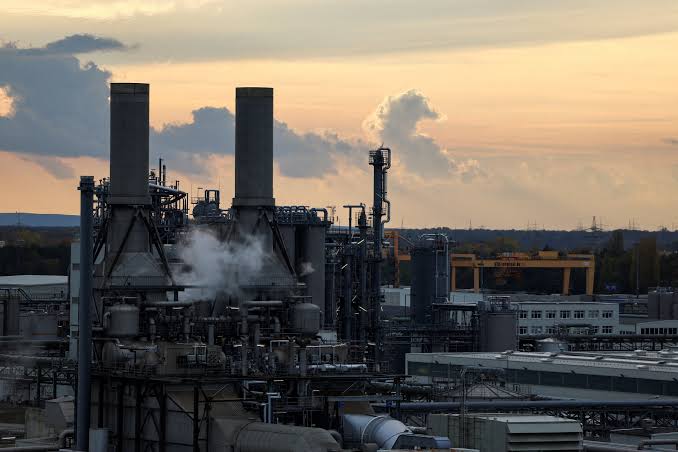
If producers remove too much capacity too quickly, customers may face:
Longer lead times
Reduced supplier choice
Higher prices
Regional shortages
Greater concentration risk
This is particularly important for critical intermediates and specialty raw materials.
The European Competitiveness Question
The cumulative restructuring activity raises a larger question:
Can Europe's chemical industry restore competitiveness without permanently shrinking its industrial base?
BASF, Dow, Solvay and Celanese provide different answers.
Some assets can be made more efficient.
Others may need to be sold.
Some may need to close.
And certain businesses may be repositioned toward higher-value applications.
The Strategic Shift Toward Specialties
One recurring theme is the movement away from undifferentiated commodity exposure.
Specialty chemical businesses can offer:
Higher margins
Customer relationships
Technical differentiation
Higher switching costs
More stable demand
This makes them more attractive targets for investment during restructuring cycles.
What Investors Should Watch
Investors should monitor:
Announced cost-savings targets
Actual savings realization
Plant closures
Asset-sale proceeds
Debt reduction
EBITDA improvement
Capacity utilization
Portfolio concentration
The gap between announced savings and realized savings will be particularly important.
What Buyers Should Watch
Potential chemical buyers should focus on:
Assets being marketed
Plants facing closure
Businesses with declining utilization
Non-core divisions
Companies under refinancing pressure
Specialty platforms being separated from larger groups
These situations can create attractive acquisition opportunities.
What Procurement Teams Should Watch
Procurement teams should monitor:
Capacity Closures
Potential reductions in regional supply.
Ownership Changes
Possible changes in production priorities.
Portfolio Exits
Products that could be discontinued or transferred.
Cost Programs
Potential changes to supplier relationships.
Regional Rationalization
Production moving between countries.
Intelligence Check: How Large Is the Restructuring Toll?
There is no single reliable figure that captures the entire restructuring toll across BASF, Dow, Solvay and Celanese.
However, the scale of the individual programs is significant.
BASF's approximately €2.7 billion annual cost-savings target and Dow's approximately $2 billion savings objective alone demonstrate the magnitude of the industry's cost response.
Solvay's commodity pullback and Celanese's asset-marketing activity add another layer by changing the physical and portfolio structure of the industry.
The cumulative signal is therefore unmistakable:
Major chemical companies are actively redesigning their businesses to survive a more demanding competitive environment.
Looking Ahead
The restructuring cycle is likely to remain an important theme through the remainder of 2026.
Chemical companies are increasingly moving from a period of capacity expansion toward a period of optimization.
The priority is shifting from:
“How much capacity can we build?”
to:
“Which capacity deserves to survive?”
That change has major implications for chemical M&A, manufacturing footprints, supply chains and pricing power.
BASF's cost program, Dow's savings initiative, Solvay's commodity retrenchment and Celanese's portfolio actions are therefore best understood as different expressions of the same underlying industry transformation.
The companies that successfully lower structural costs while protecting differentiated businesses may emerge stronger.
Those unable to restore competitive economics may become future restructuring or acquisition targets.
For the chemical industry, 2026 is increasingly looking less like a normal cyclical downturn and more like a portfolio and manufacturing footprint reset.
Key Takeaways
BASF is targeting approximately €2.7 billion in annual cost savings by the end of 2026.
Dow is pursuing an approximately $2 billion cost-savings program.
Solvay is reducing exposure to structurally challenged commodity activities.
Celanese is actively simplifying its portfolio and marketing selected assets.
The four companies illustrate different forms of chemical-sector restructuring.
European energy costs remain a major competitive challenge.
Weak demand and global overcapacity are accelerating portfolio reviews.
Restructuring is creating a growing pipeline of potential chemical assets for sale.
Strategic buyers may find value in assets that are non-core to larger producers.
Plant closures can eventually improve market balance but may create short-term supply risks.
Specialty chemical platforms remain more attractive than many commodity businesses.
Procurement teams should monitor closures, divestitures and ownership changes closely.
The restructuring cycle could generate additional chemical M&A through 2026 and 2027.
The broader industry is shifting from capacity expansion toward cost optimization and portfolio discipline.
Found this useful?