Ranking America's Largest Environmental Settlements: DuPont-NJ Tops the List
Environmental settlements in the chemical industry are becoming increasingly significant as governments pursue compensation for contamination, remediation and long-term environmental management.
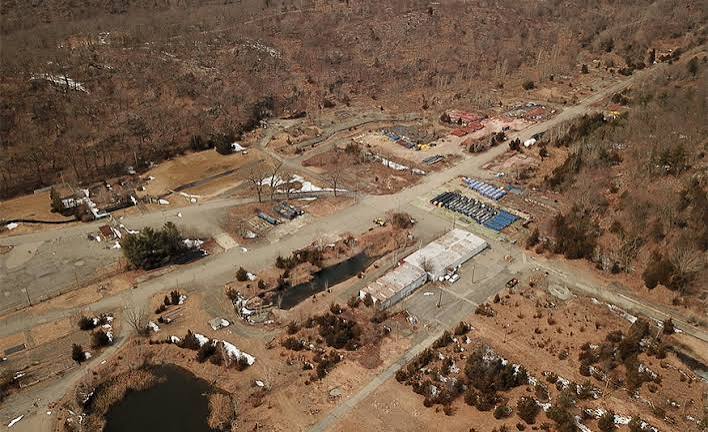
The combined DuPont-3M New Jersey settlement, valued at up to $2.5 billion, stands out for its scale. The agreement ranks among the largest environmental settlements achieved by a single US state and demonstrates the potential financial magnitude of PFAS-related liabilities.
For chemical manufacturers, procurement teams and environmental risk managers, the settlement provides an important benchmark for understanding the financial exposure associated with legacy chemical contamination.
Why the DuPont-New Jersey Settlement Stands Out
The scale of the agreement is what makes the New Jersey settlement particularly significant.
A settlement worth up to $2.5 billion represents a substantial recovery for a single state and reflects the growing resources governments may seek from companies associated with environmental contamination.
The figure also demonstrates how PFAS liabilities can extend beyond individual sites.
Environmental contamination can affect multiple communities, water systems and government agencies, creating claims that accumulate over time.
PFAS Has Created a New Settlement Benchmark
PFAS litigation has developed into one of the chemical industry's most important environmental liability issues.
The substances' persistence and widespread historical use have resulted in investigations involving drinking water, industrial sites and other environmental pathways.
As governments pursue recovery, settlement values provide benchmarks for the potential financial consequences facing companies with significant historical PFAS exposure.
The New Jersey agreement adds another major reference point.
A Settlement Is More Than a Payment
The headline figure can make an environmental settlement appear straightforward.
In practice, major agreements can involve multiple financial mechanisms, remediation responsibilities, compliance requirements and continuing obligations.
The settlement therefore needs to be evaluated as a broader liability-management structure rather than simply as a single payment.
For chemical companies, understanding these components is essential when estimating the long-term financial impact of environmental disputes.
Why State-Level Settlements Matter
A settlement negotiated at the state level can have significant implications for both companies and other governments.
States have their own environmental priorities and legal strategies, which can produce different approaches to PFAS recovery.
A large recovery in one state can become a reference point for other jurisdictions evaluating their own claims.
This makes major state settlements relevant beyond the companies directly involved.
The $2.5 Billion Figure as a Risk Benchmark
For chemical risk teams, large settlements provide useful benchmarks for scenario planning.
Companies with significant PFAS exposure can examine settlement values alongside their own manufacturing history, environmental footprint and potential remediation obligations.
The purpose is not to assume that every company will face a comparable liability.
Instead, the settlement demonstrates how substantial environmental claims can become when contamination involves multiple sites and affected communities.
Environmental Liability Can Accumulate Over Decades
Chemical companies often operate facilities for long periods.
Historical manufacturing activities can therefore create environmental obligations that emerge years or even decades later.
Corporate ownership may also change during that period.
Facilities can be sold, businesses can be spun off and production lines can be closed while environmental claims continue developing.
The New Jersey settlement illustrates why legacy environmental exposure can remain financially relevant long after the original chemical production occurred.
Corporate Restructuring Adds Complexity
PFAS settlements are also relevant to the broader debate around corporate restructuring.
When companies separate businesses, questions can arise over which entity retains historical environmental liabilities.
The financial scale of the New Jersey settlement highlights why those questions matter.
If environmental obligations are potentially substantial, their allocation can affect the financial profile of both the parent company and any newly separated business.
This makes environmental liability analysis an important component of chemical-sector corporate transactions.
Procurement Teams Should Treat Environmental Liability as Supplier Risk
The consequences of a major settlement can extend to commercial relationships.
A supplier facing substantial environmental payments and remediation obligations may need to reassess capital allocation, debt management and investment priorities.
That does not mean the supplier will become unreliable.
However, procurement teams should monitor major environmental settlements as part of broader counterparty-risk analysis.
For strategically important chemicals, buyers should maintain visibility into supplier financial strength and alternative sources.
Chemical Traders Can Track Settlement Activity
Large environmental settlements can also provide market intelligence for chemical traders.
PFAS remediation can create demand for environmental treatment technologies and products.
Potential areas include:
Activated carbon.
Filtration media.
Water treatment chemicals.
Groundwater treatment systems.
Environmental monitoring products.
Remediation services.
As settlement agreements move into implementation, demand for these products and services can increase around affected sites.
Settlement Size Can Influence Corporate Strategy
A multibillion-dollar environmental obligation can compete with other corporate priorities for capital.
Companies may need to balance settlement payments and remediation spending against maintenance, expansion and technology investment.
For chemical producers operating in cyclical markets, this can become particularly important during periods of weak margins.
Environmental liabilities can therefore influence capital allocation even when the underlying manufacturing business remains operationally strong.
What the Settlement Means for Other States
New Jersey's recovery could become a reference point for other states pursuing PFAS claims.
Government agencies may examine the structure and scale of the agreement when assessing their own potential recovery strategies.
This does not guarantee that future settlements will reach similar values.
Each case depends on the companies involved, contamination history, applicable law and the scope of the state's claims.
Nevertheless, a settlement of this scale demonstrates what governments may seek when pursuing large environmental liabilities.
The Importance of Remediation Funding
Environmental settlements are ultimately intended to address environmental consequences.
Financial resources can support investigation, remediation, monitoring and other activities needed to manage contamination.
For communities, the availability of adequate funding can influence the pace and scope of environmental response.
For companies, this reinforces the importance of understanding that environmental liabilities can involve both immediate financial settlements and long-term remediation responsibilities.
Companies Need Long-Term Environmental Planning
The size of the New Jersey agreement highlights the importance of proactive environmental risk management.
Chemical manufacturers can reduce future uncertainty by maintaining strong environmental controls, monitoring historical sites and documenting potential liabilities.
When companies conduct acquisitions or divestitures, detailed environmental due diligence becomes equally important.
Understanding legacy exposure before a transaction can help companies structure appropriate financial protections and liability allocations.
What Chemical Companies Should Monitor
Companies with potential PFAS exposure should track several indicators:
Settlement values: Large agreements can provide benchmarks for industry risk assessments.
State litigation: New claims may reveal emerging legal strategies.
Remediation requirements: Continuing obligations can extend beyond settlement payments.
Corporate restructuring: Spin-offs and acquisitions can change liability allocation.
Regulatory developments: New environmental requirements can increase potential costs.
Supplier financial health: Major liabilities can affect strategic suppliers.
These indicators can help companies build more realistic environmental risk scenarios.
Implications for Chemical Procurement
Procurement teams should incorporate environmental exposure into strategic supplier reviews.
When a key chemical producer faces a major settlement, buyers should evaluate whether the company's financial commitments could influence production investment, capacity expansion or operating priorities.
Teams should also maintain qualified alternatives for strategically important materials.
Supplier diversification becomes particularly valuable when replacing a producer could take months or require extensive technical qualification.
The Broader Market Signal
The DuPont-3M New Jersey settlement shows how environmental liabilities have become a material financial issue for the chemical industry.
A settlement valued at up to $2.5 billion is large enough to influence corporate strategy, government recovery expectations and industry risk assessments.
It also reinforces the importance of understanding the long-term consequences of chemical production.
For today's manufacturers, environmental compliance is not simply a regulatory requirement. It is also a component of financial and supply-chain risk management.
The Bottom Line for Chemical Procurement and Risk Teams
The combined DuPont-3M New Jersey settlement, valued at up to $2.5 billion, ranks among the largest environmental settlements achieved by a single US state. Its scale provides an important benchmark for the financial significance of PFAS-related environmental liabilities.
For chemical companies, the central lesson is that legacy contamination can create substantial obligations long after production and corporate structures have changed. Environmental settlements can affect capital allocation, restructuring decisions and long-term financial planning.
For procurement teams, major settlements should become part of strategic supplier-risk monitoring. For chemical traders, the resulting remediation activity can create additional demand for activated carbon, filtration media, water treatment chemicals and related environmental technologies.
As PFAS litigation continues across the United States, the New Jersey agreement is likely to remain an important benchmark for evaluating the potential scale of future environmental recoveries.

Activated Carbon (Granular) - India
Found this useful?