Ranking China's Tarim Phase II Among 2026's Notable New Petrochemical Capacity Additions
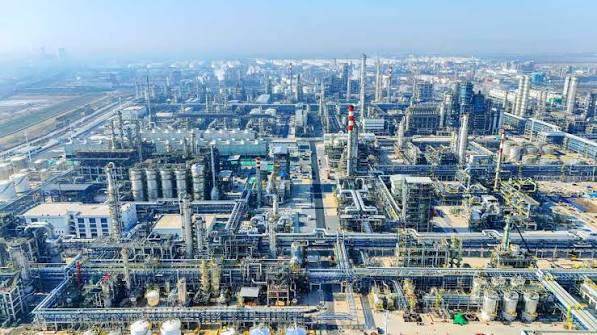
China's petrochemical industry has added another major production platform to an already expanding domestic capacity base with the start-up of CNPC's Tarim Phase II Ethylene Project in Korla, Xinjiang.
The project adds 1.2 million metric tons per year of ethylene capacity and entered commercial operation in July 2026. CNPC describes the development as China's first full-chain green and low-carbon ethylene project, adding a significant new source of olefin capacity in western China.
The project is particularly important because it arrives at a time when China's petrochemical industry is facing a difficult balance between continued investment, domestic supply growth and concerns about structural overcapacity.
Why Tarim Phase II Matters
New petrochemical capacity can materially change regional supply-demand balances.
The Tarim project is significant because it combines:
1.2 million tonnes/year of ethylene capacity
A large integrated petrochemical platform
A strategic location in Xinjiang
Expanded western China's petrochemical production
Green and low-carbon production infrastructure
Greater domestic supply security
The project therefore represents more than another individual ethylene plant.
It is part of China's broader effort to strengthen integrated petrochemical production outside the country's traditional coastal manufacturing centers.
Tarim Phase II Adds 1.2 Million Tonnes of Ethylene
The headline figure is straightforward:
1.2 million tonnes per year.
That is the project's annual ethylene production capacity.
The first-time start-up took place in July 2026, with the supporting green and low-carbon demonstration facilities also entering operation.
At that scale, Tarim Phase II ranks among the more consequential individual ethylene capacity additions entering operation during 2026.
The Project Is Located in Western China
Tarim Phase II is located in Korla, in the Bayingolin Mongolian Autonomous Prefecture of Xinjiang.
The geographic position is strategically important.
China's petrochemical industry has historically been heavily concentrated along coastal areas, where access to imported crude, naphtha, ports and downstream manufacturing clusters is strong.
Tarim instead strengthens production capacity in the country's interior.
Western China's Petrochemical Base Is Expanding
The new project significantly increases the scale of petrochemical manufacturing in central and western China.
Industry reporting indicates that the project contributes to a combined 3 million tonnes/year ethylene production base associated with PetroChina's western operations.
That creates a substantial regional production platform.
For domestic buyers, the development could improve access to locally produced petrochemical feedstocks and derivatives.
For competing producers, however, it adds another large source of supply to an already competitive market.
China's Capacity Expansion Has a Complicated Background
The timing of Tarim Phase II is particularly important.
China has continued investing heavily in petrochemical capacity even as concerns about oversupply have become more prominent.
The result is a market where:
capacity growth can remain strong even when margins remain under pressure.
That creates a difficult environment for producers.
New facilities can improve national supply security while simultaneously putting pressure on utilization rates and profitability across the industry.
Ethylene Is a Foundation Petrochemical
Ethylene is one of the world's most important basic petrochemicals.
It is used to produce a wide range of downstream materials and intermediates.
Its derivatives support industries including:
Packaging
Construction
Automotive
Consumer goods
Agriculture
Electronics
Textiles
Industrial manufacturing
That means an additional 1.2 million tonnes/year of ethylene capacity can have implications well beyond the cracker itself.
Polyethylene Glycol (200) - China
Downstream Integration Is Critical
The economic impact of a new ethylene project depends heavily on what happens to the output afterward.
Integrated complexes can convert ethylene into higher-value derivatives rather than selling the basic molecule into the spot market.
This can improve:
Feedstock utilization
Product flexibility
Supply-chain efficiency
Regional distribution
Downstream integration
Tarim Phase II's significance should therefore be assessed as part of a broader integrated petrochemical system.
The Project Also Strengthens Supply Security
One strategic objective behind China's interior petrochemical investments is reducing dependence on external supply chains.
Domestic production can reduce exposure to:
Import disruptions
International freight volatility
Geopolitical risks
Foreign exchange movements
Regional supply shortages
For China, that supply-security argument can remain attractive even when pure financial returns are challenged by overcapacity.
The Green Dimension Makes Tarim Different
Tarim Phase II is also notable because it is being presented as China's first full-chain green and low-carbon ethylene project to enter operation.
The project includes a supporting green and low-carbon demonstration facility.
That gives the development a second strategic dimension beyond production capacity.
It is simultaneously an industrial expansion project and a demonstration of lower-carbon petrochemical manufacturing.
Lower-Carbon Production Could Become More Important
Petrochemical producers are facing increasing pressure to reduce emissions.
That pressure comes from:
Carbon-reduction policies
Customer requirements
Export-market standards
Financing considerations
Corporate sustainability targets
A new project designed around lower-carbon production can therefore provide strategic advantages that older facilities may struggle to replicate.
The Project Reportedly Uses High Domestic Equipment Content
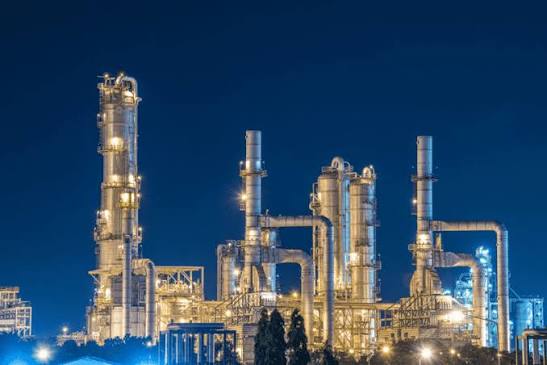
Industry reporting on the project's construction highlighted approximately 98% locally manufactured equipment.
The project reportedly reached mechanical completion after only about 22 months, while its design was also associated with lower emissions.
That highlights another trend in China's petrochemical industry:
large-scale projects are increasingly being developed with domestically supplied engineering and equipment.
Construction Speed Is Another Important Signal
The reported construction timeline is notable.
Completing a project of this scale relatively quickly allows producers to bring new capacity online before market conditions potentially change dramatically.
But rapid construction can also intensify supply growth.
When multiple projects follow similar timelines, the combined effect can become much more significant than any single project.
Tarim Phase II and the Overcapacity Debate
The central question for the market is not whether China needs ethylene.
It is whether the country's new capacity is growing faster than sustainable demand.
If supply expands faster than consumption, producers may experience:
Lower operating rates
Reduced margins
Greater price competition
Higher inventory
Increased exports
Accelerated industry consolidation
Tarim therefore becomes an important data point in the wider Chinese petrochemical overcapacity discussion.
More Capacity Does Not Automatically Mean Higher Profits
For producers, adding capacity can create economies of scale.
But if the market is oversupplied, those advantages can be overwhelmed by weaker prices.
The economics ultimately depend on:
feedstock cost + utilization + product pricing + downstream integration.
A large plant operating at high utilization can be highly competitive.
A large plant operating below economic rates can become a significant financial burden.
Feedstock Economics Will Matter
Ethylene production economics depend heavily on feedstock.
Important variables include:
Natural gas liquids
Ethane
Naphtha
Crude prices
Energy costs
Regional feedstock availability
For China's producers, feedstock economics can differ significantly from those of producers in the Middle East or North America.
That means Tarim's competitiveness should ultimately be measured against global marginal producers, not only domestic competitors.
Location Can Affect Distribution Economics
Tarim's inland location offers advantages for serving western China but creates different logistics considerations compared with coastal petrochemical complexes.
The project must balance:
Local demand
Rail transportation
Pipeline infrastructure
Downstream manufacturing
Regional distribution
The closer downstream consumers are to the production base, the more attractive the economics can become.
The Project Could Encourage Downstream Investment
Large basic-petrochemical capacity can attract downstream manufacturing.
Once reliable feedstock becomes available, producers may have greater incentive to establish facilities for:
Polymer production
Chemical intermediates
Specialty materials
Industrial plastics
Consumer-product inputs
That can create a multiplier effect around the original investment.
Tarim Adds to China's Growing Domestic Supply Base
The project should not be viewed in isolation.
China has continued adding major petrochemical facilities across multiple regions.
The cumulative effect is more important than any single plant.
As additional crackers and downstream units enter operation, domestic buyers may benefit from greater supply availability while producers face greater competition.
Domestic Supply Could Reduce Import Requirements
One potential consequence of new capacity is lower dependence on imports.
If Tarim and other Chinese projects operate at high utilization, domestic producers can replace some imported petrochemical materials.
That could affect:
Import volumes
Regional pricing
Asian trade flows
Supplier market shares
Port demand
The effect will depend on downstream conversion capacity and actual domestic consumption.
Export Pressure Could Increase
If domestic production grows faster than domestic demand, the alternative is greater exports.
That can push additional material into Asian and global markets.
Export pressure can influence:
Regional prices
Competitor utilization
Trade balances
Shipping demand
Margins across Asia
This is why China's capacity additions are closely watched by petrochemical producers outside China.
The Regional Impact Could Extend Beyond Ethylene
Ethylene itself is only the starting point.
Additional cracker output can influence markets for related products and derivatives.
Depending on downstream configuration, new capacity can affect the economics of:
Polyethylene
Ethylene oxide
Ethylene glycol
Vinyl products
Other chemical intermediates
The broader market impact therefore depends on how efficiently the new feedstock is absorbed downstream.
Ranking Tarim Phase II Against 2026 Capacity Trends
1. Tarim Phase II — 1.2 Million Tonnes/Year
Very High significance
A major new ethylene facility entering operation in 2026 and one of China's more notable western petrochemical capacity additions.
2. Western China Integration
High significance
The project strengthens a large central and western Chinese ethylene production base.
3. Green Petrochemical Development
High significance
The project is positioned as China's first full-chain green and low-carbon ethylene project to enter operation.
4. Domestic Equipment and Engineering
High significance
The project reportedly used approximately 98% domestic equipment, highlighting China's increasingly self-sufficient petrochemical project-development ecosystem.
What Investors Should Watch
Investors tracking Tarim Phase II should focus on:
Plant utilization
Ethylene pricing
Feedstock costs
Downstream operating rates
Domestic demand
Export volumes
Regional margins
Inventory levels
New competing capacity
The key question is whether the project can achieve attractive utilization and margins despite China's broader supply expansion.
What Procurement Teams Should Watch
For chemical buyers, the implications are different.
Procurement teams should monitor:
Regional supply availability
Chinese export offers
Asian benchmark prices
Freight costs
Domestic Chinese production rates
Supplier utilization
Contract pricing
Greater Chinese capacity could eventually create additional sourcing options for international buyers.
What Global Producers Should Watch
International petrochemical producers should pay particular attention to the project's impact on Asian trade flows.
If China's domestic capacity continues expanding, global suppliers may face:
Lower Chinese import demand
More Chinese exports
Greater regional price competition
Pressure on Asian margins
Changes in feedstock arbitrage
The impact will depend on the speed of demand growth relative to capacity additions.
Sustainability Could Become a Competitive Variable
Tarim's green and low-carbon positioning also deserves attention.
If customers increasingly differentiate suppliers according to emissions intensity, lower-carbon production could become commercially valuable.
That could eventually create a two-tier market:
lowest-cost production
versus
lower-carbon production with a sustainability premium.
Whether that premium emerges will depend heavily on customer willingness to pay and regulatory requirements.
The Bigger Question Is China's Capacity Discipline
Tarim Phase II illustrates the central tension facing China's petrochemical industry.
On one side:
more capacity improves supply security and industrial self-sufficiency.
On the other:
too much capacity can depress utilization and profitability.
The market therefore needs to distinguish between capacity that creates strategic resilience and capacity that simply adds another tonne of supply to an already crowded market.
Looking Ahead
CNPC's Tarim Phase II represents one of the more important petrochemical capacity additions entering operation in 2026.
The project's 1.2 million tonnes/year ethylene capacity materially expands China's production base and strengthens PetroChina's position in western China.
Its significance is amplified by its green and low-carbon design. The project has been described as China's first full-chain green and low-carbon ethylene project to enter operation.
But the project's commercial impact will ultimately depend on utilization, feedstock economics and downstream demand.
If Chinese demand grows sufficiently, Tarim Phase II could support greater domestic supply security and stimulate additional downstream investment.
If capacity continues to outpace consumption, however, the project could contribute to the overcapacity pressures already challenging petrochemical producers.
For global chemical markets, the most important metric will therefore not simply be the 1.2 million tonnes of new capacity.
It will be how those tonnes change Asian supply balances, exports, prices and producer margins.
Key Takeaways
CNPC's Tarim Phase II Ethylene Project entered operation in 2026.
The project adds 1.2 million metric tons per year of ethylene capacity.
It is located in Korla, Xinjiang, strengthening petrochemical production in western China.
The project contributes to a large western Chinese ethylene production base.
CNPC describes it as China's first full-chain green and low-carbon ethylene project to enter operation.
The project reportedly used approximately 98% locally manufactured equipment.
Additional Chinese capacity could improve domestic supply security.
Faster supply growth could also intensify concerns about petrochemical overcapacity.
Greater production could eventually influence Chinese exports and broader Asian pricing.
Investors should monitor utilization, feedstock economics, downstream demand and margins.
Found this useful?