Ranking Indian PVA Capacity Growth Against Regional Polyvinyl Alcohol Market Expansion
Polyvinyl alcohol (PVA) is becoming an increasingly important material across adhesives, coatings, textiles, packaging, construction and other specialty applications.
The expansion of large-scale PVA production in Asia highlights a broader shift in the regional market: producers are investing in capacity while downstream industries increasingly require higher-performance and more specialized polymer grades.
For chemical traders, importers, distributors and procurement teams, this expansion matters because changes in regional PVA capacity can influence availability, pricing, import dependence and supplier competition.
Why PVA Capacity Matters
PVA is a water-soluble synthetic polymer with properties that make it valuable across multiple industries.
Its applications include:
Adhesives
Paper coatings
Textile processing
Construction materials
Packaging
Films
Detergents
Specialty formulations
As industrial and consumer markets expand, demand for PVA can increase alongside demand for downstream products.
India's Growing Role in PVA
India has been developing its domestic polymer and specialty-chemical manufacturing base as manufacturers seek greater local availability of important chemical inputs.
Expansion projects involving PVA and PVA-based products demonstrate that domestic production is becoming an increasingly important part of the Indian chemicals landscape. India's environmental-clearance records, for example, document multiple projects involving expansion of PVA-related polymer and adhesive capacity.
This trend can reduce dependence on imported grades while creating additional supply options for domestic buyers.
The 210,000-Tonne Benchmark
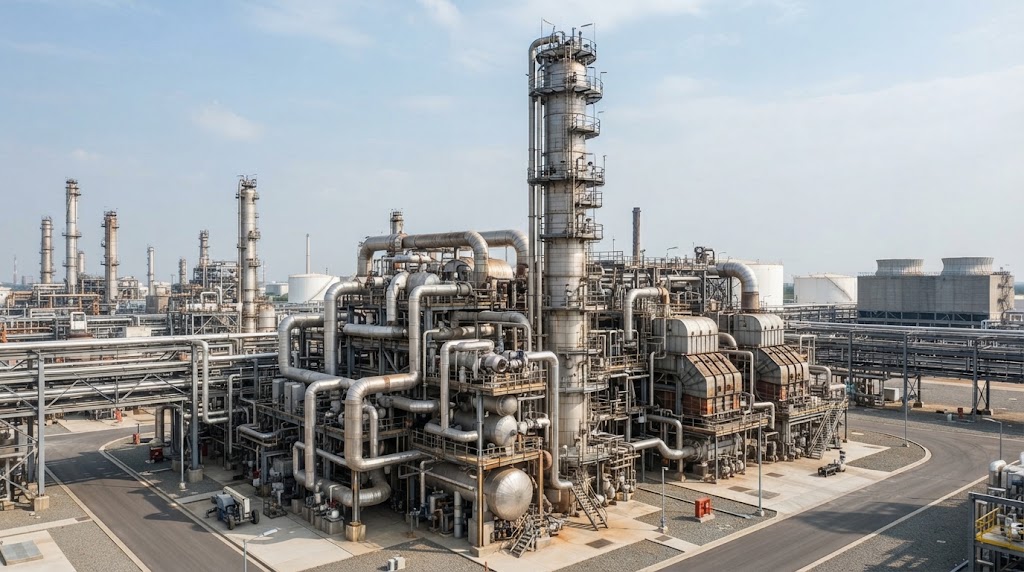
A 210,000-tonne annual PVA capacity represents a significant scale for a single production site.
That figure is particularly useful as a benchmark when comparing Asian PVA capacity expansion.
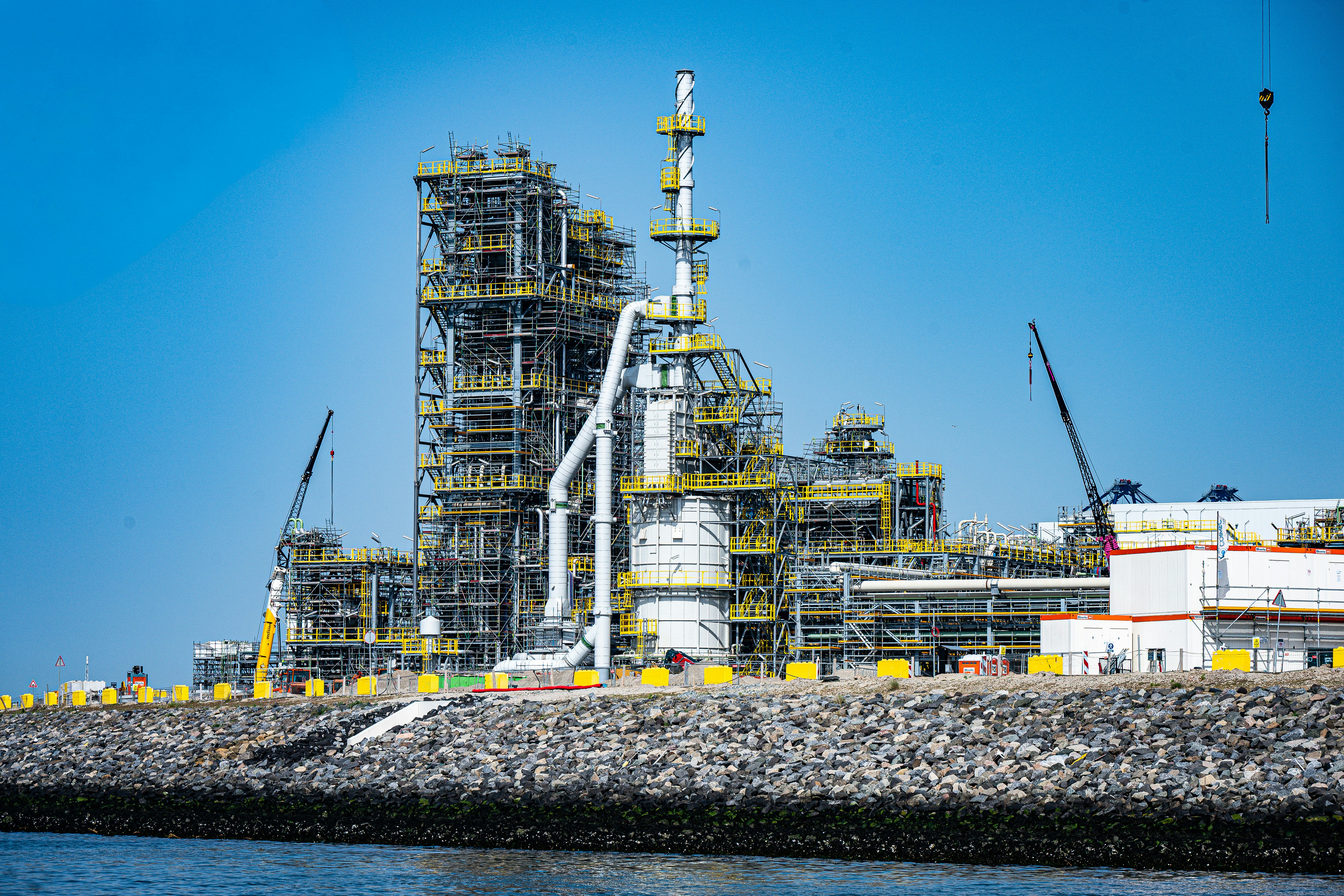
Recent developments elsewhere in the region demonstrate the scale of competition. In August 2026, Sinopec's Chongqing SVW Chemical started a 50,000-tonne-per-year high-end PVA plant, taking the site's total PVA capacity to 210,000 tonnes per year. Reuters reported that the facility is intended to strengthen China's domestic supply of high-end PVA and reduce import dependence.
Regional Expansion Is Changing the Supply Landscape
The Asian PVA market is becoming increasingly competitive.
Producers are investing not only in additional volume but also in higher-grade materials designed for demanding applications.
This matters because the market is gradually moving from:
Basic capacity → specialized capacity
Higher-performance PVA grades can serve industries such as:
Electronics
Photovoltaics
Pharmaceuticals
Advanced coatings
Specialty films
The regional competition is therefore increasingly about quality as well as quantity.
India Versus China: Different Strategic Positions
India and China are approaching the PVA market from somewhat different positions.
India's opportunity is closely connected to:
Import substitution
Domestic manufacturing
Downstream chemical growth
Specialty-chemical development
Supply-chain diversification
China, meanwhile, has substantial existing chemical manufacturing infrastructure and is increasingly expanding into higher-value PVA grades.
The result is a regional market where both countries can influence future Asian supply.
Import Substitution Creates an Advantage for India
For Indian buyers, domestic PVA production can provide several potential benefits.
These include:
Shorter supply chains
Lower logistics exposure
Reduced import dependency
Faster delivery
Greater supplier flexibility
Potentially lower inventory requirements
This can be particularly important for manufacturers that consume PVA continuously.
Specialty Grades Could Become the Bigger Opportunity
Capacity expansion alone does not determine competitiveness.
The more important question is what type of PVA is being produced.
Commodity-grade PVA can face intense price competition.
Specialty grades can offer better margins because customers may require:
Specific viscosity
Controlled hydrolysis
High purity
Consistent molecular weight
Application-specific performance
This creates an opportunity for producers to move further up the value chain.
Downstream Industries Can Benefit
PVA capacity growth can support several downstream industries.
Adhesives
PVA and PVA-derived materials are widely used in adhesive formulations.
Greater local availability can improve sourcing flexibility for adhesive manufacturers.
Textiles
PVA is used in textile processing and sizing applications.
Growing textile production can therefore contribute to regional demand.
Paper and Packaging
PVA can provide film-forming and adhesive properties useful in paper and packaging applications.
Construction
PVA-based materials can contribute to formulations used in construction and building products.
Capacity Does Not Automatically Mean Lower Prices
A major increase in production capacity can place downward pressure on prices if supply grows faster than demand.
However, the effect depends on:
Operating rates
Export volumes
Domestic consumption
Feedstock costs
Product grade
Logistics
Producer strategy
A new plant may therefore increase supply without necessarily creating a dramatic price decline.

Feedstock Economics Remain Important
PVA production is closely connected to the vinyl-acetate value chain.
Changes in:
Vinyl acetate monomer prices
Energy costs
Acetic acid economics
Ethylene costs
Electricity prices
can influence production economics.
Chemical buyers should therefore monitor upstream feedstock markets alongside PVA prices.
Trade Flows Could Change
As India and other Asian producers expand capacity, regional trade flows may change.
Countries that previously relied heavily on imports could increasingly source from nearby producers.
At the same time, competitive producers may use excess capacity to target export markets.
This could create new opportunities for chemical traders.
Procurement Teams Should Reassess Supplier Concentration
Capacity expansion provides buyers with an opportunity to diversify.
Procurement teams should evaluate:
Domestic suppliers
Regional producers
Import alternatives
Production capacity
Product grades
Lead times
Certifications
Financial stability
A broader supplier base can reduce exposure to unexpected production disruptions.
Higher-End PVA Could Become the Competitive Battleground
The next phase of regional PVA competition may not be determined simply by who adds the most tonnes.
Instead, producers may compete through:
Product quality
Application performance
Consistency
Technical support
Specialty grades
Supply reliability
This is particularly important as PVA moves into electronics, pharmaceuticals and other higher-value applications. Recent Chinese capacity expansion explicitly targets high-end PVA grades for applications including electronics and pharmaceuticals.
The Regional Market Is Becoming More Integrated
Asia's PVA industry increasingly functions as an interconnected regional supply network.
Indian producers can compete domestically and potentially across neighboring markets.
Chinese producers can leverage large-scale manufacturing and export infrastructure.
Other Asian producers can specialize in particular grades or applications.
For traders, this creates both opportunities and competitive pressure.
What Chemical Traders Should Watch
Traders following PVA markets should monitor:
New capacity announcements
Plant commissioning
Operating rates
Export volumes
Import requirements
Feedstock prices
Specialty-grade demand
Regional price differences
The difference between announced capacity and actual production is especially important.
What Procurement Teams Should Watch
Buyers should focus on:
Supplier qualification
Grade availability
Contract pricing
Delivery reliability
Import exposure
Product consistency
Alternative suppliers
Long-term contracts may become increasingly attractive as producers seek to secure customers for newly expanded capacity.
Looking Ahead
The expansion of PVA capacity across Asia signals a market that is becoming more competitive, more regionalized and increasingly focused on higher-value applications.
For India, domestic PVA capacity growth can support import substitution and downstream manufacturing.
For China and other major Asian producers, investment in high-end grades demonstrates that future competition will increasingly involve technology and product specialization rather than simple volume expansion.
For chemical traders, the changing capacity landscape creates new sourcing opportunities but also increases the importance of monitoring regional supply-demand balances.
For procurement teams, the key question is no longer simply:
"Where can we buy PVA?"
It is:
"Which regional supplier can provide the right grade, price, consistency and long-term supply security?"
As Asian PVA capacity continues to expand, companies that track both capacity growth and product specialization will be better positioned to manage sourcing decisions and capture emerging opportunities.
Key Takeaways
PVA capacity expansion is strengthening Asia's position in the global polyvinyl alcohol supply chain.
India's growing domestic production can support import substitution and downstream manufacturing.
A 210,000-tonne annual capacity provides a useful benchmark for comparing major regional production sites.
Recent Chinese expansion shows that producers are also targeting higher-value PVA grades rather than only increasing volume.
Specialty PVA for electronics, pharmaceuticals and advanced applications could become an increasingly important competitive segment.
Additional capacity does not automatically mean lower prices; operating rates, feedstocks and demand remain critical.
Procurement teams can use capacity expansion to diversify supplier bases and reduce import dependence.
Chemical traders should monitor capacity additions, regional trade flows, feedstock costs and specialty-grade demand.
The next stage of PVA competition is likely to focus on quality, specialization and supply reliability as much as production volume.
Polyvinyl Alcohol (24-88) - China
Found this useful?