Ranking Q2 2026 Earnings Season: Dow, BASF and Methanex Beat, Solvay Stumbles
The Q2 2026 chemical earnings season provides a useful scorecard for comparing how major producers are navigating weak demand, cost pressure, and uneven market conditions.
A review by Chemical Processing found that Dow, BASF, and Methanex topped forecasts, while Solvay struggled amid weakness in soda ash.
The divergence is important for market intelligence because headline earnings can reveal which chemical producers are managing cost pressures effectively and which businesses remain more exposed to weak commodity markets.

Q2 2026 Chemical Earnings Scorecard
The quarter produced a clear divergence among major chemical producers.
Company | Q2 2026 Performance | Key Signal |
|---|---|---|
Dow | Beat expectations | Restructuring and cost discipline |
BASF | Beat expectations | Portfolio and operational resilience |
Methanex | Beat expectations | Methanol market performance |
Solvay | Stumbled | Soda ash weakness |
This comparison shows that chemical-sector performance is becoming increasingly dependent on product mix, cost structure, geography, and exposure to individual commodity markets.
1. Dow — Cost Discipline Supports Performance
Dow's Q2 performance provides an example of how restructuring and cost-control measures can support earnings during a challenging demand environment.
The company has been implementing significant cost-reduction measures, including organizational restructuring and efforts to improve its cost base.
This matters because chemical companies cannot always rely on higher selling prices to protect margins when demand is weak.
Cost discipline can therefore become an important earnings-support mechanism.
The same supplier-performance indicators are relevant when sourcing Citric Acid, Glycerin, Sorbitol, Propylene Glycol, Xanthan Gum, and Sodium Benzoate, where buyers can monitor producer margins, manufacturing utilization, raw-material exposure, capacity changes, and geographic diversification.

Citric Acid Monohydrate (E330)
2. BASF — Portfolio Breadth Provides Diversification
BASF's performance highlights the benefit of operating across a broad range of chemical businesses.
Its portfolio spans:
Chemicals
Materials
Industrial solutions
Surface technologies
Nutrition and care
Agricultural solutions
This diversification can help reduce dependence on any single commodity market.
It also provides exposure to higher-value specialty businesses alongside more cyclical chemical operations.
3. Methanex — Methanol Exposure Delivers a Different Earnings Signal
Methanex's performance provides a different perspective because its results are closely linked to methanol market conditions.
Methanol is used across multiple industrial applications, including:
Formaldehyde
Acetic acid
Fuels
Solvents
Chemical intermediates
Its earnings therefore provide another useful indicator for tracking global chemical feedstock and intermediate markets.
4. Solvay — Soda Ash Weakness Highlights Commodity Exposure
Solvay's weaker performance contrasts sharply with the other companies in the comparison.
Soda ash is a major commodity chemical used in:
Glass
Detergents
Chemical manufacturing
Industrial processing
Weakness in this market can have a significant effect on earnings because commodity producers have less ability to differentiate products through technical services or formulation support.
Solvay's performance therefore highlights the vulnerability of commodity-heavy portfolios when demand remains weak.
Why the Ranking Matters
The earnings comparison provides more than a list of winners and losers.
It shows how different business models respond to the same broad market environment.
Cost Leadership
Dow's performance highlights the importance of restructuring and cost control.
Portfolio Diversification
BASF demonstrates the potential benefit of operating across multiple chemical markets.
Commodity Exposure
Solvay illustrates the downside of weakness in a major commodity business.
Feedstock Exposure
Methanex provides a useful read-through for methanol and downstream chemical markets.
Implications for Food Ingredients
Food ingredient markets are different from commodity chemicals, but the earnings divergence provides useful procurement intelligence.
Ingredient suppliers can also be affected by:
Raw material costs
Energy prices
Demand cycles
Manufacturing utilization
Logistics
Regulatory expenses
Product mix
Suppliers with diversified portfolios and higher-value specialty products may have greater flexibility during weak demand periods than highly commodity-exposed producers.

Specialty Ingredients May Offer Greater Resilience
The earnings comparison reinforces the strategic value of differentiated products.
Specialty ingredients can compete through:
Product functionality
Formulation support
Quality
Technical expertise
Regulatory knowledge
Customer relationships
Supply reliability
These factors can provide more protection against commodity price swings than standardized products.
Competitive Intelligence
Procurement and market-intelligence teams can use quarterly earnings to track several indicators.
1. Margin Performance
Are suppliers maintaining margins despite weak demand?
2. Capacity Utilization
Are plants operating at normal levels or being curtailed?
3. Cost Reduction
Which producers are successfully lowering their structural cost base?
4. Portfolio Mix
Are companies moving toward specialty products?
5. Capital Investment
Where are producers still willing to invest?
6. Regional Exposure
Which suppliers are most exposed to high-cost European or other regional production?
Procurement Considerations
Quarterly earnings can provide an early warning system for supplier risk.
When a supplier reports sustained margin pressure, buyers should review:
Manufacturing footprint
Production utilization
Capacity changes
Inventory levels
Financial strength
Product portfolio
Alternative suppliers
Lead times
A weak earnings report does not automatically mean a supply problem, but persistent financial pressure can eventually influence capital spending, production decisions, and asset ownership.
Food Ingredients to Monitor
The broader earnings and cost environment is relevant to sourcing products such as:
Citric Acid
Glycerin
Sorbitol
Propylene Glycol
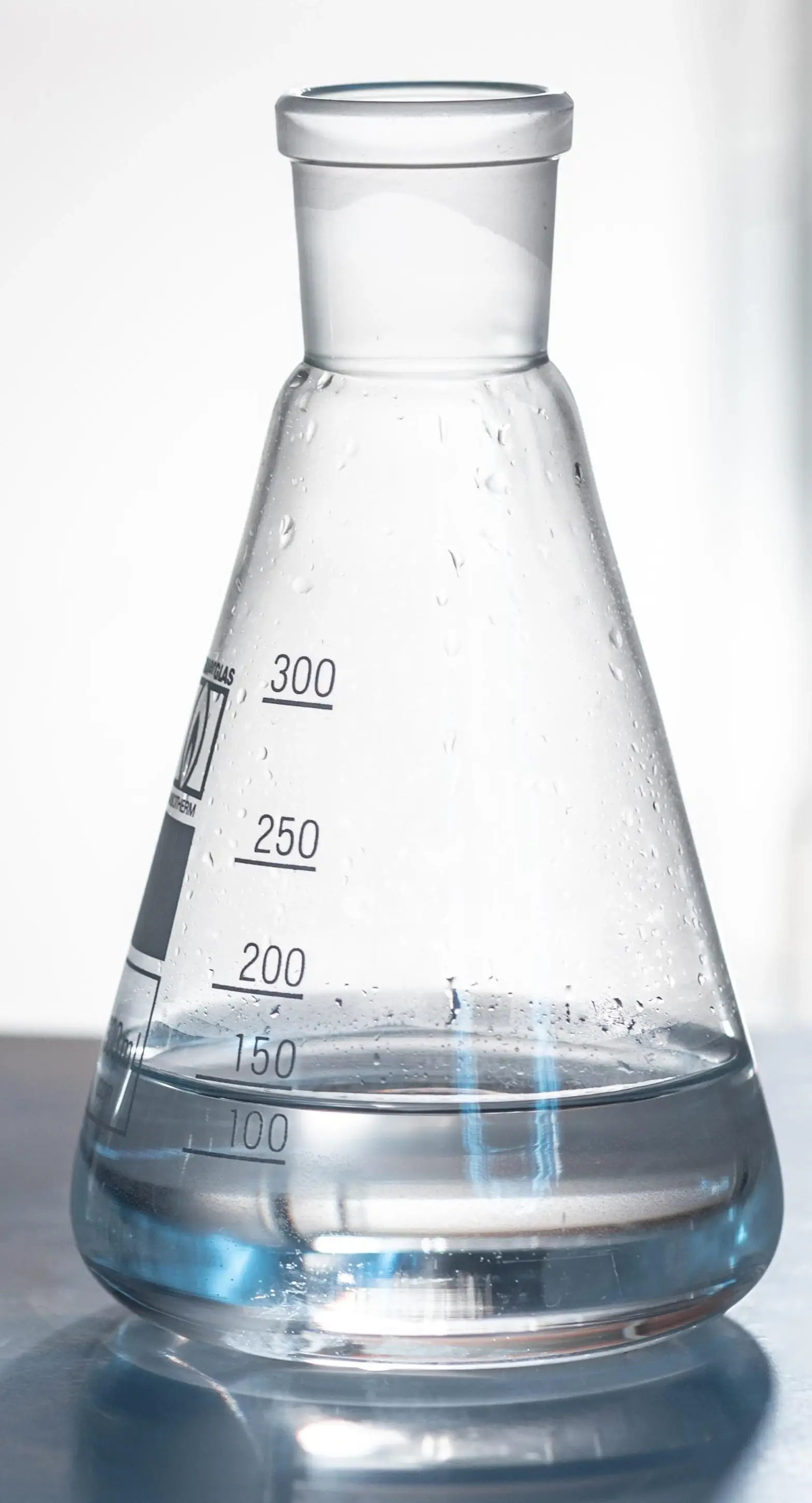
Mono Propylene Glycol (E1520)
Xanthan Gum
Sodium Benzoate
For these products, procurement teams should track not only market prices but also supplier profitability, manufacturing capacity, raw-material exposure, and geographic diversification.
Looking Ahead
The Q2 2026 earnings season shows that there is no single performance story across the global chemical industry.
Dow, BASF, and Methanex beating forecasts while Solvay struggled demonstrates how business mix, commodity exposure, cost structure, and market positioning can produce very different outcomes during the same quarter.
For food ingredient buyers, the broader lesson is that supplier financial performance can provide useful context for understanding future supply-chain behavior.
Monitoring earnings, restructuring programs, capacity utilization, and investment decisions together can help procurement teams distinguish between temporary market weakness and deeper structural changes in supplier economics.
Key Takeaways
Dow, BASF, and Methanex beat expectations in Q2 2026, according to Chemical Processing's review.
Solvay's performance was weaker amid soda ash market pressure.
Cost discipline can help producers protect earnings during weak demand.
Diversified portfolios can provide some protection against individual commodity downturns.
Commodity-heavy businesses remain particularly sensitive to demand and pricing cycles.
Quarterly earnings can provide early signals about future capacity, investment, and supply-chain decisions.
Food ingredient buyers can apply the same intelligence framework when evaluating supplier resilience.
Found this useful?