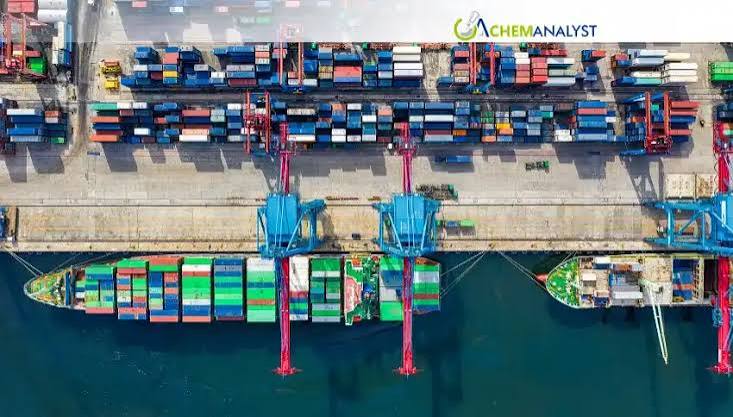
Ranking Rhine Disruption Frequency: A Recurring Feature of 2026's German Chemical Calendar
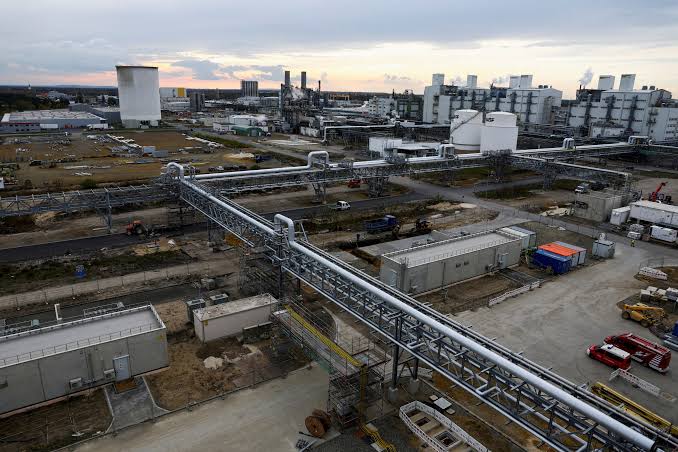
The Rhine's recurring disruption to chemical logistics has emerged as one of the more persistent operational risks for Germany's chemical industry in 2026. Low or difficult water levels have repeatedly affected chemical producers that depend on the river to move raw materials, intermediates and finished products across one of Europe's most important industrial corridors.
For chemical manufacturers, traders and procurement teams, the issue is bigger than individual shipping delays. The recurring nature of Rhine disruption highlights how waterway reliability can directly influence production continuity, logistics costs and regional chemical supply.
Why the Rhine Matters to Chemicals
The Rhine is deeply integrated into Germany's industrial economy.
Chemical companies use the river to transport:
Raw materials
Feedstocks
Chemical intermediates
Finished products
Industrial equipment
Major chemical production centers are connected to Rhine logistics, making the waterway an important part of the industry's supply chain.
When navigation becomes difficult, the effects can extend beyond transportation.
Low Water Levels Create a Capacity Problem
The key challenge is not necessarily that vessels stop moving completely.
Instead, lower water levels can reduce the amount of cargo ships can safely carry.
This creates a simple chain:
Lower water levels → Lower vessel capacity → More shipments required → Higher logistics costs
For chemical producers operating on tight delivery schedules, even partial restrictions can create operational complications.
Why Recurring Disruption Is More Important
A single disruption can often be managed.
Repeated disruption is different.
If producers repeatedly experience difficult navigation conditions throughout the year, they may need to maintain:
Higher inventories
Alternative transport options
Additional storage
More flexible delivery schedules
These measures can increase operating costs even when the river remains technically navigable.
Chemical Production Depends on Reliable Logistics
Chemical plants are often integrated into complex supply chains.
A facility may require continuous deliveries of feedstocks while simultaneously shipping products to customers.
If transportation becomes unreliable, the problem can move through the production network.
For example:
Raw-material delay → Production adjustment → Lower output → Customer delivery pressure
This makes logistics reliability an important component of chemical manufacturing competitiveness.
The Rhine Is Particularly Important for Germany
Germany's chemical sector has historically benefited from strong industrial infrastructure and integrated supply chains.
The Rhine connects major industrial regions with ports and international markets.
This allows companies to efficiently move products between:
Chemical plants
Warehouses
Industrial customers
Export terminals
Major ports
Disruptions therefore have implications beyond individual river shipments.
Water Levels Can Affect Multiple Companies at Once
One of the biggest risks is concentration.
Multiple chemical producers may depend on the same transportation corridor.
That means a single environmental disruption can affect several companies simultaneously.
This creates a broader industry risk:
Shared infrastructure → Shared exposure
For investors and procurement professionals, this is an important distinction from company-specific operational problems.
The Risk Is Not Limited to Producers
Chemical traders and importers can also feel the impact.
Reduced river capacity can influence:
Delivery schedules
Freight rates
Inventory requirements
Storage demand
Regional price spreads
A trader relying on Rhine-connected suppliers may therefore need to monitor water levels alongside traditional market indicators.
Procurement Teams Need Alternative Routes
The recurring nature of Rhine disruptions reinforces the value of logistics diversification.
Procurement teams can prepare by identifying:
Alternative Suppliers
Can the same chemical be sourced from another region?
Alternative Transport
Can rail or road replace some river shipments?
Alternative Storage
Can additional inventory provide protection against short-term disruption?
Alternative Ports
Are other logistics gateways available?
This approach can reduce dependence on a single transportation corridor.
Inventory Becomes a Strategic Tool
When transportation reliability declines, inventory can provide a buffer.
Companies may increase stocks of critical:
Feedstocks
Intermediates
Packaging materials
Finished chemicals
However, higher inventory also creates additional carrying costs.
The challenge is finding the right balance between:
Supply security
and
Inventory efficiency
Higher Freight Costs Can Follow
When river transportation becomes less efficient, companies may shift cargo toward road or rail.
These alternatives can be more expensive depending on the product and route.
That can increase:
Delivered chemical costs
and potentially affect margins for both producers and buyers.

The Impact Can Extend Beyond Germany
Germany is deeply connected to the broader European chemical supply chain.
Products manufactured in German facilities can move to customers across:
France
Belgium
Netherlands
Italy
Central Europe
Eastern Europe
Therefore, repeated Rhine disruption can create secondary effects across European chemical markets.
Climate Risk Makes the Issue More Important
The recurring nature of difficult water conditions also raises a broader question about climate-related infrastructure risk.
Chemical companies increasingly need to consider whether historical logistics assumptions remain reliable under changing environmental conditions.
This can influence long-term decisions around:
Plant locations
Warehousing
Transportation
Inventory
Supplier diversification
Why Investors Should Track Rhine Conditions
Investors evaluating European chemical companies should consider logistics alongside traditional financial indicators.
Useful signals include:
Water levels
Plant utilization
Production disruptions
Freight costs
Inventory levels
Margin changes
These factors can help explain unexpected movements in chemical-company performance.
What Chemical Traders Should Watch
Traders should monitor:
Rhine water levels
Vessel loading restrictions
Freight availability
Rail capacity
Road freight rates
Chemical plant operating rates
Regional inventories
These indicators can provide early warning of supply-chain pressure.
The Rhine Risk Is Becoming a Recurring Planning Issue
The most important development is the frequency of disruption.
Companies can manage an isolated event.
Repeated events require a structural response.
That may mean investing in:
Logistics diversification
Higher storage capacity
Alternative transportation
Supplier redundancy
Better demand forecasting
This turns Rhine conditions from a short-term logistics problem into a long-term supply-chain planning issue.
Looking Ahead
The Rhine's recurring disruption in 2026 highlights an important vulnerability within Germany's chemical industry.
The river remains a critical logistics artery, but repeated water-level challenges demonstrate that infrastructure availability cannot always be treated as a fixed assumption.
For chemical manufacturers, the priority will increasingly be building supply chains capable of operating when river capacity is constrained.
For traders, Rhine conditions can become an important signal for freight costs and regional chemical availability.
For procurement teams, the lesson is straightforward:
A reliable supplier is not enough if the transportation route connecting that supplier to the buyer is vulnerable.
As German chemical producers continue adapting to changing operating conditions, Rhine resilience is likely to remain an important part of European chemical supply-chain strategy.
Key Takeaways
Rhine disruptions have become a recurring operational risk for German chemical producers in 2026.
Low water levels can reduce vessel capacity even when navigation remains possible.
Repeated disruption can increase freight, storage and inventory costs.
Multiple chemical producers may face the same logistics risk because they depend on the same corridor.
Rhine disruptions can affect chemical availability beyond Germany through interconnected European supply chains.
Procurement teams should identify alternative suppliers, transport routes and storage options.
Traders should monitor water levels alongside freight rates and chemical inventories.
Investors should consider logistics disruption when evaluating European chemical-company performance.
Climate-related infrastructure risks could make waterway resilience increasingly important.
The key issue is shifting from managing individual disruptions to building structurally resilient chemical supply chains.
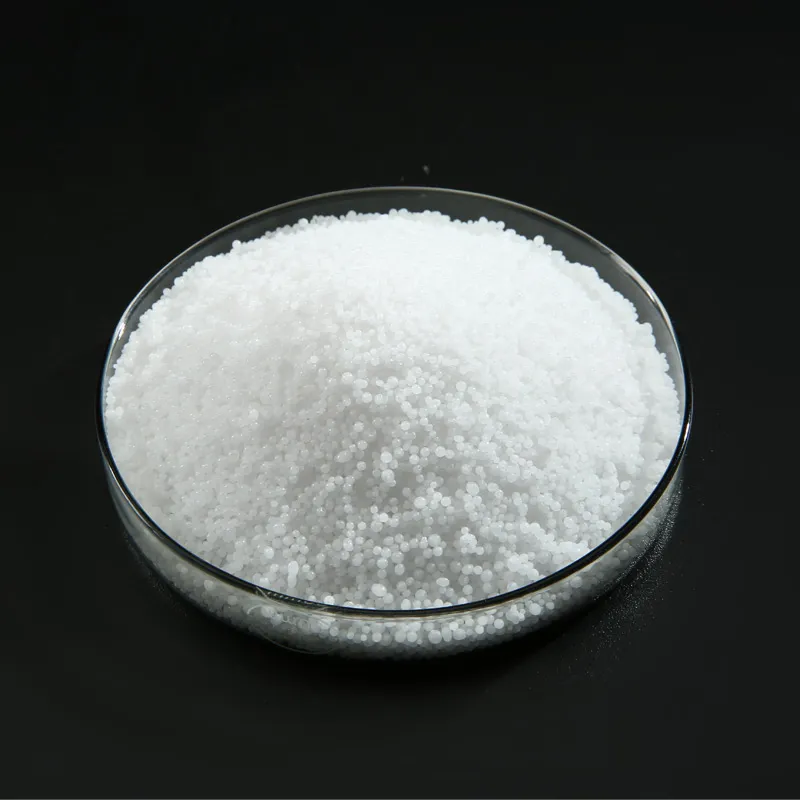
Caustic Soda Pearls - China
Found this useful?