
Ranking the Most Active Pharmaceutical Acquirers in 2026
Pharmaceutical M&A has entered a highly active phase in 2026, with leading drugmakers using acquisitions to secure future growth and replenish pipelines. Eli Lilly has emerged as the most prolific pharmaceutical acquirer of the year, with IQVIA reporting nine acquisitions worth more than $250 million each by midyear and approximately $26 billion deployed.
The activity extends well beyond one company. Gilead, Merck, Biogen, Novartis, AbbVie and other major pharmaceutical groups have also pursued assets across oncology, immunology, vaccines, rare diseases and advanced therapeutic platforms.
For chemical traders, pharmaceutical manufacturers and procurement managers, these transactions matter because acquisitions can reshape manufacturing footprints, supplier relationships and demand for pharmaceutical raw materials. Tracking the most active buyers can therefore provide an early signal of where future purchasing requirements may develop.
Eli Lilly Leads the 2026 Pharmaceutical Acquisition Race
Eli Lilly currently stands out as the industry's most active large pharmaceutical buyer. IQVIA identified Lilly as the most prolific dealmaker at midyear, with nine acquisitions above $250 million and approximately $26 billion committed.
A separate analysis published in June counted 10 Lilly transactions and approximately $25.27 billion in spending, illustrating how rankings can differ depending on transaction definitions and reporting periods.
The broader strategy is clear. Lilly is using its strong cash generation to expand beyond its existing growth engines and acquire technologies and drug candidates that can support future revenue.
Its 2026 activity has included investments across vaccines, oncology, immunology and genetic diseases. The company also signed 12 licensing deals during the first half of the year with a combined value of approximately $28 billion, demonstrating that its external innovation strategy extends beyond acquisitions.
Novartis Remains a Major Strategic Acquirer
Novartis continues to rank among the industry's most important external innovators. The company has pursued acquisitions and technology transactions designed to strengthen its positions in neuroscience, cardiovascular medicine and other specialized areas.
Its approximately $12 billion acquisition of Avidity Biosciences became one of the most significant pharmaceutical transactions of 2026. The transaction gave Novartis access to Avidity's RNA-based therapeutic platform and development pipeline.
Novartis has also continued using licensing and technology deals to expand its portfolio. In September, the company entered an agreement worth up to $3.2 billion with South Korea's Alteogen for access to drug delivery technology that can convert intravenous medicines into injectable formulations.
The strategy demonstrates an important trend in pharmaceutical M&A. Acquirers increasingly seek not only individual medicines but also platforms that can support multiple future products.
Gilead Continues to Target High-Value Therapeutic Assets
Gilead Sciences has also been among the more active pharmaceutical acquirers during the current M&A cycle. Its strategy has focused heavily on oncology and autoimmune disease, two areas that have attracted substantial industry investment during 2026.
The company's activity illustrates the value of therapeutic specialization. Rather than pursuing acquisitions across every segment of medicine, major drugmakers can use M&A to deepen positions where they already possess commercial or scientific expertise.
For procurement teams, this specialization can influence the future demand profile of acquired companies. A successful oncology acquisition, for example, may eventually increase requirements for specialized active pharmaceutical ingredients, excipients, analytical services and manufacturing capacity.
Merck and Biogen Add to the Deal Momentum
Merck and Biogen have also contributed to the strong pace of pharmaceutical acquisitions in 2026.
Merck agreed to acquire Terns Pharmaceuticals for approximately $6.7 billion, while Eli Lilly agreed to acquire Centessa Pharmaceuticals for approximately $6.3 billion. Biogen's acquisition of Apellis Pharmaceuticals was valued at approximately $5.6 billion.
These transactions demonstrate that the 2026 market is not dependent exclusively on mega-deals. Multiple acquisitions in the $5 billion to $7 billion range can collectively create substantial capital deployment.
For buyers and suppliers, this creates a broader opportunity set. Mid-sized acquisitions can produce changes in manufacturing and sourcing requirements just as large transactions can, particularly when the acquired company has commercial-stage products.
Oncology Is the Main Target for Acquisition Capital
Oncology has become the leading therapeutic area for pharmaceutical M&A in 2026. IQVIA reported that oncology represented 41% of M&A value at midyear, followed by immunology at 19%, neurology at 9%, women's health at 9% and rare diseases at 7%.
This concentration reflects the commercial importance of cancer medicines and the industry's demand for differentiated treatment technologies. Pharmaceutical companies continue to seek assets that can strengthen existing franchises or establish positions in emerging oncology markets.
For suppliers, oncology-focused M&A can create long-term opportunities across the manufacturing chain. However, the timing of that demand depends on clinical development, regulatory approval and commercial launch schedules.
Acquisition Strategies Are Expanding Beyond Traditional Drugs
The 2026 deal landscape shows that pharmaceutical companies are buying more than conventional drug portfolios. Buyers are also pursuing gene therapies, cell therapies, antibody drug conjugates, multispecific antibodies, T-cell engagers and drug delivery technologies.
This broader technology focus reflects the increasing importance of specialized platforms in drug development.
The acquisition of a technology platform can provide access to multiple future programs rather than a single commercial product. That potential can make platform companies attractive targets even when their immediate revenue remains limited.
Pipeline quality and technology potential can matter more than current sales when major pharmaceutical companies assess acquisition targets.
Why Pharmaceutical Companies Are Increasing M&A Activity
Several factors are encouraging major drugmakers to deploy capital more aggressively.
One major driver is the approaching loss of exclusivity for blockbuster medicines. As established products face generic or biosimilar competition, companies need new revenue sources to maintain long-term growth.
Other important drivers include:
Pipeline replacement: Acquisitions can add late-stage or commercial assets faster than internal research alone.
Technology access: Buyers can obtain emerging platforms that would take years to develop internally.
Therapeutic expansion: Companies can enter or strengthen positions in attractive treatment categories.
Commercial scale: Acquisitions can add established products, sales teams and geographic reach.
Manufacturing capabilities: Some transactions provide access to specialized production infrastructure and technical expertise.
These factors explain why companies continue to pursue acquisitions even when individual transactions carry significant clinical and financial risk.
Deal Count Can Be More Useful Than Deal Value
Ranking acquirers by total transaction value can favor companies that complete one or two exceptionally large acquisitions. Deal count offers a different perspective by showing which companies consistently pursue external opportunities.
Lilly's position illustrates this distinction. Its 2026 strategy combines several acquisitions with substantial licensing activity, indicating a broad approach to external innovation rather than dependence on a single transformational transaction.
Smaller transactions can also provide buyers with more flexibility. A company can spread investment across several therapeutic programs and technologies rather than concentrating its entire M&A budget on one target.
This approach does not eliminate risk. Novartis' Avidity experience demonstrates that even a strategically attractive acquisition can face significant clinical uncertainty. Avidity's lead program subsequently failed a late-stage trial, putting pressure on the investment thesis and Novartis' pipeline strategy.
Pharmaceutical M&A Is Creating New Procurement Requirements
Acquisitions can change procurement requirements throughout the pharmaceutical supply chain.
When a large drugmaker acquires a biotechnology company, the buyer may integrate production, transfer manufacturing or increase commercial-scale capacity. Each step can change demand for active ingredients, intermediates, excipients, packaging materials and laboratory chemicals.
Procurement teams should therefore monitor M&A announcements involving their major customers and suppliers.
Useful indicators include:
New manufacturing facilities: Acquisitions may expand production capacity or introduce specialized sites.
Pipeline advancement: Clinical candidates moving toward commercialization can create future material demand.
Supplier consolidation: New owners may standardize procurement across their combined operations.
Technology integration: Advanced manufacturing platforms can change the types of materials and services required.
Geographic expansion: Acquisitions can create new sourcing and distribution requirements across international markets.
Tracking these changes can help chemical suppliers anticipate demand rather than simply respond after purchase orders increase.
Mid-Sized Buyers Are Becoming More Important
The pharmaceutical M&A market is not limited to the largest global drugmakers. Mid-sized pharmaceutical and biotechnology companies are increasingly participating in acquisition activity as they seek to expand portfolios and compete for promising assets.
This broader buyer base makes the market more dynamic. Smaller acquirers may target niche technologies or specialized therapeutic companies that larger organizations overlook.
For chemical suppliers, these buyers can represent attractive commercial prospects. Smaller pharmaceutical companies often require flexible order quantities, specialized materials and responsive technical support.
The growth of mid-market dealmaking therefore creates opportunities across the pharmaceutical supply chain, not just among the largest manufacturers.
What the 2026 Acquirer Rankings Tell Buyers
The most active pharmaceutical acquirers are following a common objective: secure future growth through external innovation. However, their approaches differ significantly.
Lilly has demonstrated exceptional acquisition volume and spending power. Novartis has combined major acquisitions with technology-focused deals, while Merck, Biogen and Gilead have pursued targeted transactions in high-value therapeutic areas.
For chemical traders, these strategies create different sourcing opportunities. Commercial-stage acquisitions can generate near-term requirements, while early-stage biotech deals may create demand only if development programs succeed.
Understanding the development stage behind each transaction is therefore essential when forecasting procurement opportunities.
What Procurement Teams Should Watch Through 2026
The second half of 2026 could remain active as pharmaceutical companies continue addressing pipeline gaps and competing for differentiated assets. Industry deal value had already accelerated significantly during the first half of the year, with BioPharma Dive reporting 24 deals and more than $64 billion in upfront value during the first four months alone.
Procurement managers should monitor three areas closely:
Acquisition announcements: New ownership can signal changes in supplier strategy and manufacturing plans.
Clinical milestones: Positive results can rapidly increase the future commercial importance of an acquired asset.
Manufacturing investments: Facility expansions and technology transfers can provide early indicators of future material demand.
These signals can help suppliers prepare capacity and inventory before large-scale commercial production begins.
The Bottom Line for Pharmaceutical M&A
The ranking of the most active pharmaceutical acquirers in 2026 highlights an industry deploying significant capital to secure future pipelines, technologies and therapeutic positions. Eli Lilly has emerged as the leading dealmaker by activity, while Novartis, Gilead, Merck, Biogen and other major companies continue to pursue targeted opportunities.
For procurement professionals and chemical traders, pharmaceutical M&A provides more than a view of corporate strategy. It can also signal future changes in manufacturing capacity, raw material demand, supplier qualification and international sourcing.
Companies that track both acquisition activity and the development progress of acquired assets can identify opportunities earlier and prepare for changing pharmaceutical supply requirements. Ready to source D-Calcium Pantothenate (Vitamin B5) from verified global suppliers? Explore competitive offers on our platform today.
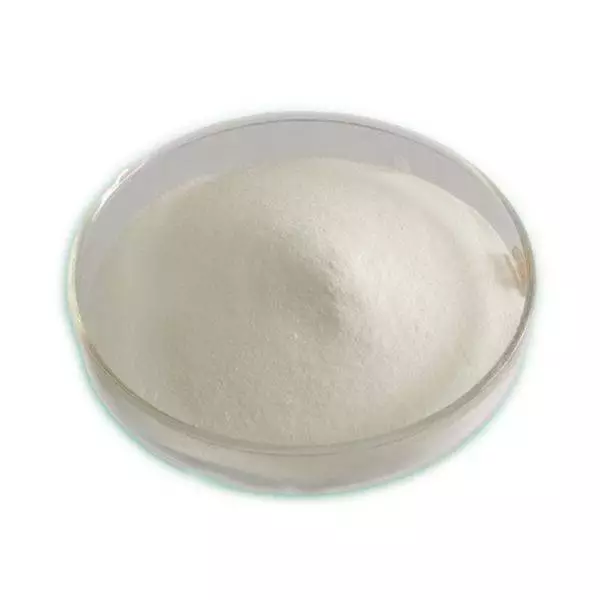
D-Calcium Pantothenate (Vitamin B5)
Found this useful?