Ranking the Settlement Timeline: Seven Years From Initial NJDEP Lawsuit to Final Approval
New Jersey's long-running environmental litigation against major chemical companies provides a useful benchmark for understanding how slowly complex environmental disputes can move through the legal system.
The timeline—from the New Jersey Department of Environmental Protection's 2019 lawsuit to federal court approval of the settlement in 2026—spans roughly seven years.
That period illustrates an important reality for chemical companies and investors:
major environmental litigation can remain financially and strategically relevant for years before reaching final resolution.
For the chemical industry, where environmental liabilities can involve multiple facilities, historical operations, corporate restructurings, insurance arrangements, and multiple defendants, the duration of litigation can become a material factor in financial planning and risk assessment.
The Seven-Year Timeline
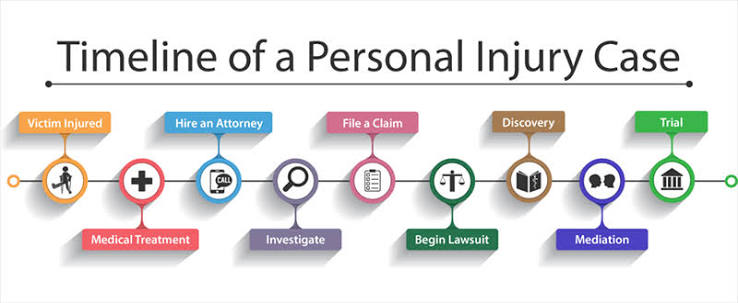
The New Jersey case provides a useful sequence for tracking how complex environmental litigation develops.
2019 — Initial Lawsuit
New Jersey initiated litigation against DuPont-related companies over environmental contamination and associated claims.
The lawsuit placed historical chemical operations under renewed legal scrutiny and began a process that would ultimately involve extensive negotiations.
2020–2024 — Litigation and Negotiations
The case continued through legal proceedings while the parties negotiated potential resolution.
During this period, issues such as:
Liability allocation
Environmental damages
Remediation
Corporate responsibility
Historical operations
Settlement structure
could influence the eventual outcome.
2025 — Settlement Agreement
DuPont, Chemours and Corteva announced an agreement with New Jersey valued at $875 million, designed to resolve environmental claims including PFAS-related matters.
The settlement included payments structured over a long period rather than requiring the entire amount immediately.
2026 — Federal Court Approval
Final judicial approval moved the settlement toward implementation and provided greater certainty around the companies' obligations.
The result is a roughly seven-year path from initial lawsuit to final approval.
Why Seven Years Matters
A seven-year litigation timeline is significant for businesses because legal exposure can remain unresolved across multiple financial cycles.
During a long-running case, companies may need to manage:
Legal expenses
Potential settlement liabilities
Environmental reserves
Insurance claims
Disclosure requirements
Investor uncertainty
Asset-sale restrictions
Corporate restructuring considerations
The uncertainty can therefore affect corporate strategy well before a court reaches a final resolution.
Environmental Litigation Is Especially Complex
Chemical-company environmental cases often involve historical activities.
The company operating a facility today may not be the same entity that originally manufactured the chemical or operated the site.
Corporate structures can include:
Parent companies
Subsidiaries
Spin-offs
Successor companies
Joint ventures
Acquired businesses
Determining which entity is responsible can substantially increase the complexity of litigation.
PFAS Adds Another Layer
PFAS litigation has become particularly complex because contamination can involve:
Drinking-water systems
Groundwater
Surface water
Industrial sites
Consumer exposure
Natural-resource damages
The scientific, legal, and financial questions can therefore extend well beyond the original manufacturing facility.
This contributes to lengthy discovery, expert analysis, negotiations, and settlement discussions.
Settlement Value Is Not the Same as Immediate Cost
The $875 million New Jersey settlement should not be interpreted as an immediate $875 million cash payment by one company.
The agreement involves DuPont, Chemours and Corteva, with payments allocated among the companies.
Reuters reported that Chemours would make half of the settlement payments, while DuPont would bear 35.5% and Corteva the remaining share. (reuters.com)
The payment schedule also extends over decades.
This makes the settlement a useful example of why headline settlement values need to be analyzed alongside:
Payment schedules
Company allocations
Insurance recoveries
Indemnification
Accounting treatment
Linear Alkylbenzene
Long Timelines Create Financial Uncertainty
When environmental litigation lasts for years, the potential economic cost can change substantially before settlement.
Variables include:
Inflation
Legal precedents
Scientific evidence
Regulatory standards
Remediation costs
Insurance coverage
Corporate ownership
Asset values
A liability estimated in 2019 may therefore look very different by 2026.
Litigation Duration Can Affect M&A
Long-running environmental claims can also influence corporate transactions.
Potential buyers may conduct extensive due diligence around:
Environmental liabilities
Historical contamination
Pending lawsuits
Indemnification agreements
Insurance coverage
Remediation obligations
This can affect:
Purchase price
Escrow requirements
Representations and warranties
Liability allocation
Transaction timing
For distressed chemical assets, unresolved environmental claims can become an especially important valuation variable.
Why Chemical Companies Need Long-Term Legal Reserves
Long litigation timelines make financial planning more difficult.
Companies may need to account for:
Potential settlements
Environmental remediation
Legal expenses
Insurance recoveries
Regulatory compliance
However, estimates can remain uncertain while litigation is unresolved.
That uncertainty can make reported provisions an important intelligence signal for investors.
What Investors Should Watch
Investors tracking environmental litigation should monitor:
Case Age
How long has the dispute remained unresolved?
Settlement Negotiations
Are the parties moving toward resolution?
Reserve Changes
Has the company changed its estimate of potential liabilities?
Court Decisions
Are recent rulings changing the legal risk?
Corporate Allocation
Which entity is ultimately responsible for payment?
Insurance
How much of the liability could potentially be recovered?
What Procurement Teams Should Watch
Legal disputes can also become part of supplier-risk monitoring.
Procurement teams should track:
Financial stress
Plant ownership
Asset sales
Restructuring
Production investment
Environmental obligations
A seven-year legal dispute does not automatically indicate supply disruption.
But prolonged financial and legal pressure can influence where companies allocate capital and which assets they retain.
Environmental Claims Can Outlive Assets
One of the most important lessons from long-running chemical litigation is that environmental liability can persist after a facility changes ownership or stops operating.
A plant may be:
Built → Operated → Sold → Closed
while environmental obligations continue.
This creates a significant distinction between the economic life of an asset and the legal life of its liabilities.
The Intelligence Value of Litigation Timelines
Tracking the duration of environmental cases can reveal broader patterns.
Analysts can compare:
Time from lawsuit to settlement
Time from settlement to approval
Number of defendants
Settlement value
Litigation complexity
Number of affected sites
Type of environmental claim
Over time, these metrics can create a useful benchmark for estimating how long future disputes might take.
A Useful Environmental Litigation Dashboard
Metric | Intelligence Question |
|---|---|
Initial filing | When did the dispute begin? |
Defendants | How many companies are involved? |
Claim type | PFAS, groundwater, emissions, remediation, etc.? |
Case duration | How long has the dispute lasted? |
Settlement value | What is the headline economic value? |
Company allocation | Who actually pays? |
Payment period | Immediate or long-term? |
Court approval | Has the agreement been finalized? |
Insurance | What recovery may be available? |
Remaining claims | What exposure remains unresolved? |
This allows analysts to compare environmental litigation systematically rather than treating each case as an isolated headline.
Seven Years Is a Strategic Risk Window
For chemical companies, seven years is long enough to span:
Multiple management teams
Several business cycles
Major portfolio changes
Acquisitions and divestitures
Plant closures
Corporate restructurings
That makes environmental litigation a strategic issue rather than simply a legal department matter.
Companies must manage liabilities while simultaneously deciding where to invest and which businesses to retain.
Looking Ahead
The New Jersey timeline demonstrates how environmental litigation can become a long-duration corporate issue.
From the 2019 lawsuit to 2026 approval, the case illustrates how complex chemical-sector disputes can require years of litigation, negotiation, financial planning, and judicial review before reaching final resolution.
The broader lesson is important for the industry:
Environmental liabilities should be evaluated over the same long time horizon as chemical assets themselves.
For investors, litigation duration can provide an additional measure of uncertainty.
For procurement teams, prolonged disputes can become part of supplier-risk analysis.
For chemical companies, early settlement strategy and accurate liability assessment can potentially reduce years of uncertainty and associated costs.
The seven-year timeline is therefore more than a historical statistic.
It is a useful benchmark for understanding the time, capital, and strategic attention that major environmental claims can consume.
Key Takeaways
New Jersey's environmental litigation provides a roughly seven-year timeline from the 2019 lawsuit to 2026 federal court approval.
Long-running environmental cases can remain financially relevant across multiple business cycles.
PFAS and other chemical contamination cases can involve complex scientific, legal, and corporate-structure questions.
The $875 million settlement involves DuPont, Chemours and Corteva rather than one company alone. (reuters.com)
Settlement headline values should be analyzed alongside company allocations and payment schedules.
Environmental liabilities can persist long after chemical assets are sold or closed.
Long-running litigation can affect M&A, reserves, capital allocation, and supplier-risk assessments.
Tracking case duration can provide a useful benchmark for future environmental litigation.
Found this useful?