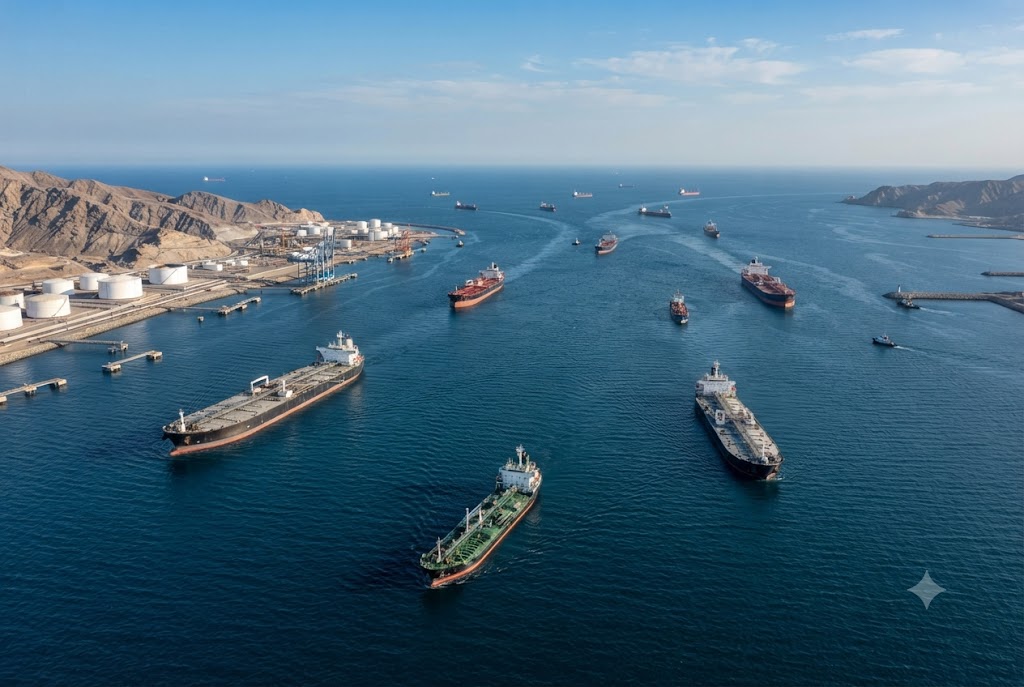
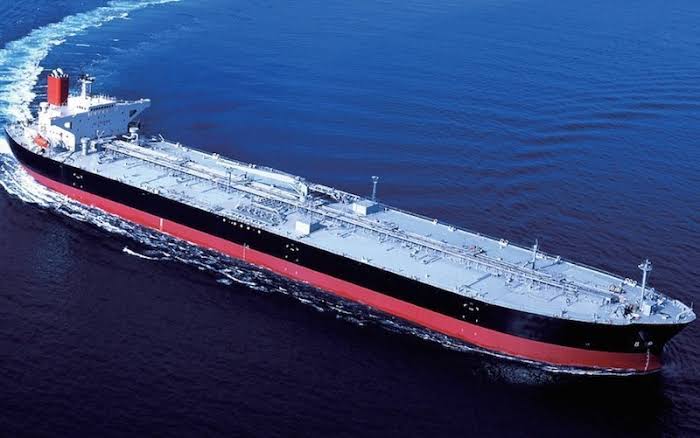
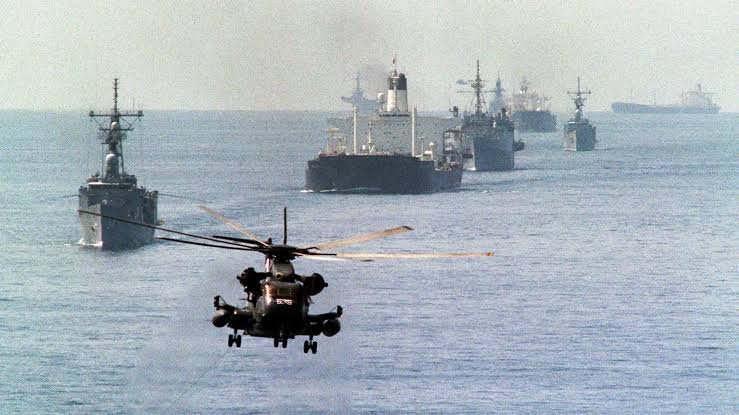
Analysts model a dual-strait disruption that could affect roughly 17% of global oil supply, with major implications for chemical trade.
A scenario combining disruption at the Strait of Hormuz with a full closure of Bab el-Mandeb represents one of the most severe supply chain stress tests currently being discussed by market analysts. Together, these two maritime chokepoints could affect roughly 17% of global oil supply, creating a risk profile that extends well beyond crude markets.
For chemical traders, procurement managers and industrial buyers, this scenario is valuable not because it predicts what will happen, but because it highlights where supply chains would face their greatest pressure if multiple disruptions occurred simultaneously. Understanding how analysts model this dual-strait scenario helps procurement teams prepare contingency plans before physical markets experience sustained disruption.
Why the Dual-Strait Scenario Is Called the "Sum of All Fears"
The phrase reflects the combination of two strategically important maritime routes rather than a single isolated disruption.
Each corridor plays a different role within global energy and commodity trade. Hormuz supports exports from major Gulf producers, while Bab el-Mandeb connects the Red Sea with international shipping routes leading toward Europe and the Mediterranean.
If both corridors experienced major disruption simultaneously, the effects could reinforce one another instead of remaining isolated.
The scenario therefore represents a compounded logistics challenge rather than simply adding together two separate regional events.
For chemical procurement teams, the concern lies in how overlapping disruptions could affect freight, inventories, supplier behaviour and replacement costs across multiple regions.
The estimated impact of roughly 17% of global oil supply provides a framework for stress testing rather than a guarantee of market outcomes.
The figure illustrates the potential scale of exposure if disruptions affected both strategic corridors at the same time.
For industrial buyers, the importance of the estimate lies in its implications:
Oil markets could experience significantly tighter physical availability.
Refineries might face delayed or reduced crude deliveries.
Petrochemical producers could encounter higher feedstock replacement costs.
Shipping markets may experience vessel shortages and longer transit times.
Chemical buyers could see greater volatility in supplier quotations.
The estimate should therefore be viewed as a measure of possible market exposure rather than an automatic forecast of shortages.
Why Two Chokepoints Create More Than Double the Risk
Supply chains often adapt when only one transport corridor experiences disruption.
Alternative shipping routes, inventory buffers and production adjustments can reduce the immediate impact of a single bottleneck.
A dual-strait disruption changes that equation.
Alternative routes become more limited, vessel utilisation increases and logistics planning becomes significantly more complex.
Several pressure points could emerge simultaneously:
Longer voyage distances for rerouted cargoes.
Reduced availability of suitable tankers.
Higher marine insurance costs.
Increased fuel consumption for alternative routes.
Longer inventory replacement cycles.
Greater competition for available export capacity.
The interaction between these factors can magnify commercial pressure beyond the original supply disruption.
The Freight Market Could Become the First Pressure Point
Freight markets often react before chemical prices fully adjust.
If vessels must avoid one or both strategic corridors, voyage times increase and fleet availability effectively declines.
This creates upward pressure on charter rates even when the global fleet size remains unchanged.
Chemical importers may experience:
Higher ocean freight costs.
Longer shipment lead times.
Reduced schedule reliability.
Increased demurrage risk.
More expensive insurance coverage.
Greater competition for specialised chemical tankers.
These logistics effects can influence delivered chemical prices before producers revise factory-gate quotations.
For procurement teams, freight intelligence becomes just as important as monitoring oil prices.
Petrochemical Feedstocks Would Face Broad Cost Pressure
Crude oil represents the starting point for many petrochemical value chains.
If a dual-strait disruption significantly increases crude replacement costs, refinery economics could change quickly.
Products linked to refinery output, including xylene, benzene, toluene and other aromatics, may experience stronger cost pressure depending on inventories and regional production.
The effect would not appear uniformly across every chemical.
Natural gas-based production routes, alternative feedstocks and regional supply diversity may reduce exposure for some products.
Procurement teams should therefore evaluate individual product chains instead of assuming identical price movements across all chemicals.
Supplier Behaviour Would Become an Early Warning Signal
Commercial behaviour often changes before supply shortages become visible.
Suppliers may shorten quotation validity, reduce available volumes or introduce conditional freight clauses while assessing replacement costs.
Buyers should monitor:
More frequent price revisions.
Reduced quotation validity periods.
Longer production lead times.
Temporary allocation of available volumes.
Higher logistics surcharges.
Delays in shipment confirmation.
These commercial signals frequently appear before official trade statistics reveal supply disruptions.
Which Chemical Categories Carry the Highest Exposure?
Products with strong links to crude oil, Gulf production or long-distance maritime transport deserve the closest monitoring.
Higher exposure generally applies to:
Petrochemical solvents.
Aromatic hydrocarbons.
Polymer feedstocks.
Bulk industrial chemicals.
Refinery-derived intermediates.
Large-volume commodity chemicals.
Products manufactured closer to end markets or using different feedstocks may experience a more limited effect.
Procurement teams should rank exposure based on supply origin, logistics dependency and the availability of technically approved alternative suppliers.
Why Inventory Strategy Becomes More Important
A dual-strait scenario places greater value on disciplined inventory management.
Insufficient inventory may expose manufacturers to production interruptions if shipments slow significantly.
Excessive inventory, however, can create unnecessary financial exposure if market conditions improve more quickly than expected.
Procurement teams should focus on:
Critical materials with long replacement cycles.
Products sourced primarily from affected regions.
Chemicals with limited substitution options.
Customer demand stability.
Warehouse capacity and working capital.
Balanced inventory planning remains more effective than broad stock accumulation.
Indicators That Would Increase Confidence in the Scenario
Procurement teams should monitor measurable indicators rather than relying solely on geopolitical headlines.
The most significant indicators include:
Sustained reductions in tanker traffic.
Higher marine insurance premiums.
Longer shipping transit times.
Rising freight rates across affected routes.
Increasing refinery replacement costs.
More frequent supplier price adjustments.
Reduced export activity from affected regions.
Several indicators moving together would strengthen the case that physical supply chains are becoming more constrained.
What Procurement Teams Should Take From the Dual-Strait Scenario
The combined disruption of Hormuz and Bab el-Mandeb represents one of the highest-impact scenarios currently considered by market analysts because it could affect roughly 17% of global oil supply and simultaneously pressure freight, refining and petrochemical supply chains.
For chemical buyers, the greatest value of this scenario lies in preparedness rather than prediction. Understanding how multiple transport disruptions interact allows procurement teams to identify vulnerable products, review supplier diversification and strengthen contingency planning before markets tighten.
Companies should continue monitoring vessel traffic, freight markets, insurance costs, refinery activity and supplier behaviour together. These indicators provide stronger operational intelligence than headline developments alone.
The most resilient procurement strategies will combine diversified sourcing, disciplined inventory management and continuous monitoring of maritime logistics. Preparing for a high-impact scenario does not require assuming it will occur, but it does require understanding how quickly global chemical supply chains can respond if it does.
Ready to source xylene from verified global suppliers? Explore competitive offers on our platform today.