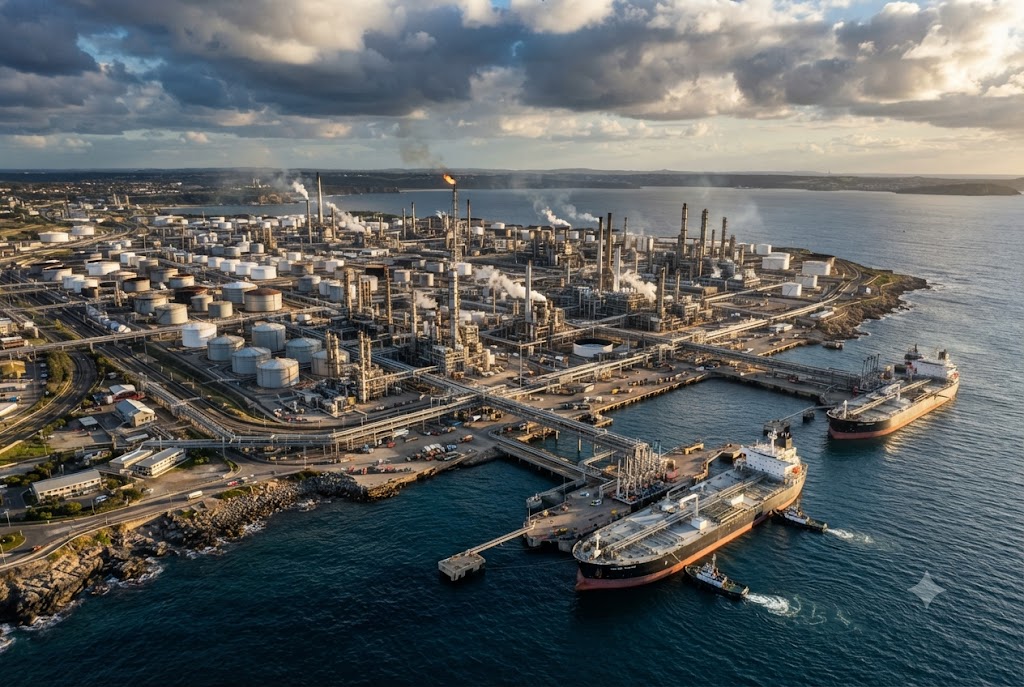
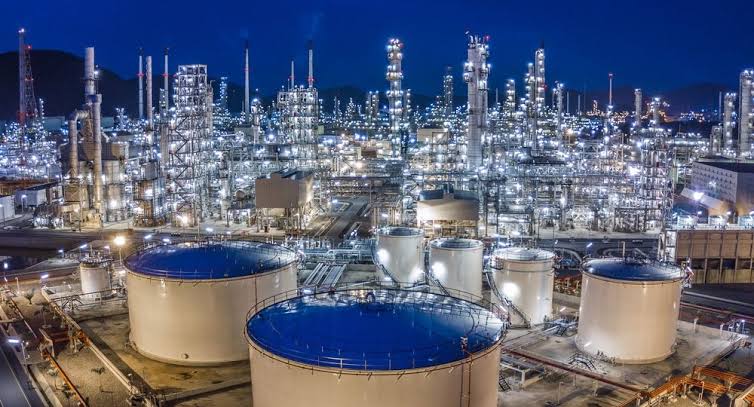
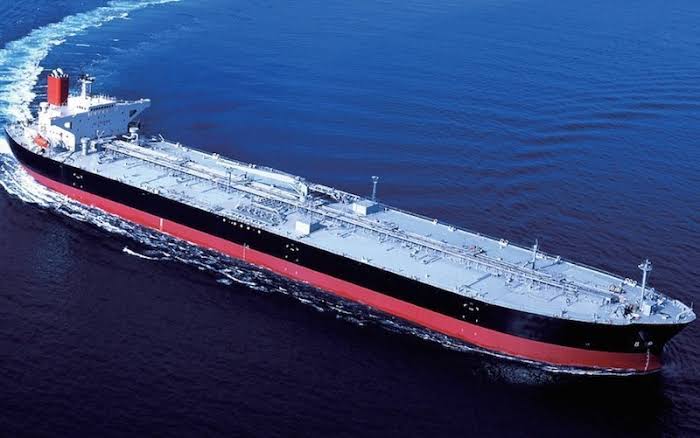
Oil delivered one of the week's most consequential commodity moves, shifting from WTI at $79.60 on July 15 to Brent above $90 by July 20. Although the two prices represent different crude benchmarks, their placement within the same five-day window shows how rapidly energy market conditions changed.
For chemical traders, procurement managers and industrial buyers, the significance extends beyond the headline price levels. Crude oil influences petrochemical feedstocks, refinery economics, manufacturing energy and international transport. A move of this speed can alter supplier expectations before the full cost impact reaches physical chemical markets. The central question is whether the latest surge ranks as a temporary geopolitical repricing or the start of a more persistent increase in industrial input costs.
Ranking the Scale of the Weekly Oil Price Move
The week's oil price movement ranks highly because of its speed, market breadth and potential downstream impact. WTI stood at $79.60 on July 15, while Brent had moved above $90 by July 20.
The comparison does not represent a direct percentage gain in one continuous contract because WTI and Brent are separate benchmarks. It still captures the rapid shift from a sub-$80 US crude reference point to an international benchmark above the psychologically important $90 level.
Three features make the move especially relevant:
Speed: The repricing occurred within days rather than developing gradually over several weeks.
Benchmark significance: WTI reflects a major US crude reference while Brent influences international oil pricing and many physical trade contracts.
Industrial reach: Higher oil prices can affect feedstocks, refinery products, freight and chemical manufacturing costs.
For procurement teams, speed often matters as much as the absolute price. Fast movements shorten decision windows and increase uncertainty around replacement costs.
How the Move Compares With the Original Crisis
The latest price action should be ranked against the original crisis by examining market reaction, duration and physical disruption.
The original crisis may have produced sharper immediate volatility as markets confronted a new and uncertain threat. Initial shocks often trigger aggressive price movements because traders have limited information about potential supply losses.
Later episodes can behave differently. Markets may respond with less panic but maintain higher prices for longer because participants now understand the vulnerabilities within shipping and energy supply chains.
The move from WTI at $79.60 to Brent above $90 suggests that the current phase deserves attention even if volatility differs from the original disruption. A sustained price above $90 can influence industrial purchasing more significantly than a brief intraday spike that reverses quickly.
Chemical buyers should therefore compare not only the size of each move but also how long elevated prices remain in place.
Why Brent Above $90 Matters to Chemical Trade
Brent above $90 carries both practical and psychological significance for global industrial markets. Many international crude transactions and energy-linked contracts reference Brent directly or indirectly.
When Brent crosses a major threshold, producers and traders may reassess replacement costs. This can influence commercial behaviour throughout hydrocarbon-linked supply chains.
Chemical markets can feel the impact through several channels:
Petrochemical producers may face higher feedstock costs.
Refineries may adjust product pricing and operating decisions.
Marine fuel costs can increase delivered chemical prices.
Suppliers may shorten quotation validity.
Buyers may raise inventory coverage to protect against further increases.
A price above $90 does not automatically lift every chemical market. Product fundamentals still depend on capacity, operating rates, inventories and downstream demand.
However, the benchmark can change expectations. Suppliers may become less willing to offer long price validity when energy markets move rapidly.
From Crude Benchmarks to Petrochemical Feedstocks
Oil prices affect chemical markets through complex conversion chains rather than a simple one-to-one relationship. Crude enters refineries, which produce fuels and feedstock streams that support petrochemical manufacturing.
Products such as xylene, styrene monomer, ethyl acetate and several polymer intermediates can face changing economics when crude and refinery markets strengthen.
The transmission varies by region and production route. A producer using naphtha-linked feedstocks may experience a different cost shift from a manufacturer relying on natural gas, coal or bio-based inputs.
Inventory timing also matters. Producers holding lower-cost feedstocks may delay price increases, while plants buying replacement material at current market levels can face pressure sooner.
Chemical buyers should therefore monitor feedstock quotations alongside WTI and Brent. Crude benchmarks provide direction, but product-specific inputs offer a clearer view of likely supplier pricing.
Freight Costs Could Extend the Price Shock
The impact of rising oil prices does not stop at chemical production. Transportation can amplify the increase before products reach industrial buyers.
Marine vessels consume bunker fuel, while road transport depends heavily on diesel. A sustained oil rise can therefore increase logistics costs across several stages of a chemical shipment.
Bulk chemicals face particular exposure because freight can represent a substantial share of the final landed price. A relatively small increase in factory-gate pricing can combine with higher shipping costs to create a much larger change for importers.
Hazardous chemicals may face additional pressure because they require specialised handling, vessels, documentation and insurance.
Procurement teams should separate product prices from logistics charges when reviewing new offers. A supplier may keep its FOB price stable while freight lifts the delivered cost materially.
This distinction can support better negotiations. Buyers may find that changing shipment size, delivery timing or source region reduces logistics exposure more effectively than negotiating the chemical price alone.
Which Chemical Categories Face the Highest Exposure?
The week's oil move will not affect every product equally. The strongest exposure usually appears in chemicals with direct hydrocarbon links or high transportation intensity.
Aromatics and solvents deserve close monitoring. Polymer chains can also respond as upstream feedstocks and processing costs change.
Energy-intensive products may face indirect pressure even when their raw materials do not come directly from crude oil. Producers still require electricity, steam and heat to operate plants.
Internationally traded bulk chemicals can experience another layer of exposure through freight. Lower-value materials often carry a larger logistics component relative to the product's base price.
Buyers can rank portfolio exposure through three questions:
Does the product rely on oil-derived feedstocks?
Does production consume significant energy?
Does freight represent a large share of the delivered cost?
Chemicals meeting all three conditions deserve the closest monitoring during a rapid oil rally.
Why Demand Conditions Still Matter
Higher crude prices do not guarantee equivalent chemical price increases. Producers need sufficient market leverage to pass additional costs to customers.
When downstream demand remains strong and inventories are limited, suppliers can often raise offers more quickly. Buyers may accept higher prices to protect production continuity.
Weak demand creates a different environment. Producers may face higher costs but struggle to transfer them fully because customers resist increases or reduce purchasing.
This can compress producer margins and create uneven market behaviour. Some suppliers may cut operating rates, while others compete aggressively to maintain sales volumes.
Chemical procurement teams should therefore analyse both cost pressure and demand conditions. An oil rally creates inflation risk, but downstream purchasing strength determines how much of that pressure reaches transaction prices.
The same crude movement can produce very different outcomes across solvents, polymers, fertilizers and specialty chemicals.
What Supplier Behaviour Can Reveal
Supplier behaviour often provides an early indication that oil-related pressure is moving into physical chemical markets.
One warning sign is shorter quotation validity. Offers that once remained open for a week may become valid for only one or two days when replacement costs change rapidly.
Suppliers may also introduce energy or freight surcharges. Others may restrict volumes until they understand the direction of feedstock prices.
Longer lead times can indicate precautionary purchasing or logistical disruption. Sudden changes in payment requirements may reflect greater commercial risk.
Buyers should monitor:
Frequency of supplier price revisions
Changes in quotation validity
Freight and energy surcharges
Minimum order quantities
Delivery lead times
Availability of contracted volumes
These commercial indicators may reveal more about procurement risk than daily crude price movements alone.
How Buyers Should Respond to a Rapid Oil Rally
A move from WTI at $79.60 to Brent above $90 can create pressure to secure material immediately. Panic buying, however, can expose companies to high inventory costs if oil retreats.
Procurement teams should begin with product-level exposure mapping. Critical chemicals with direct oil links, limited suppliers and long lead times may justify additional coverage.
Products with broad availability or weak downstream demand may require a more measured response.
Contract structure also matters. Fixed-price agreements can provide temporary protection, while spot buyers face market changes more quickly.
Buyers should communicate with suppliers before shortages emerge. Asking about feedstock coverage, production schedules and quotation validity can clarify whether price pressure is temporary or structural.
Alternative supply origins deserve review as well. Regional differences in feedstocks, energy and freight can create meaningful pricing gaps during volatile periods.
The goal is not to predict the exact oil peak. It is to preserve purchasing flexibility while avoiding unnecessary exposure.
Indicators That Will Determine the Next Phase
The duration of Brent above $90 will determine whether the week's move becomes a broader industrial cost event.
If crude retreats quickly, many chemical suppliers may avoid large adjustments, particularly where demand remains weak. The impact could stay concentrated in short-term freight and spot feedstock markets.
If prices remain elevated, replacement costs will gradually move through inventories and contracts. More producers may then revise chemical quotations.
Refining margins provide another important indicator. Strong margins can encourage higher refinery operating rates, while weak margins may limit the supply response even when crude remains available.
Freight markets also deserve close attention. Rising bunker prices, tanker rates or insurance costs can reinforce the oil shock.
Chemical traders should monitor physical feedstocks, refinery activity, supplier behaviour and customer orders together. These signals will help determine whether the move represents a temporary spike or a sustained market reset.
What Procurement Teams Should Take From This Week
The movement from WTI at $79.60 on July 15 to Brent above $90 by July 20 ranks among the week's strongest commodity signals. The speed of the repricing has increased uncertainty across energy, petrochemical and logistics markets.
Although the benchmarks differ, the progression highlights a clear change in the market environment. Procurement teams now face higher replacement-cost risk and shorter decision windows.
The immediate priority should be identifying chemicals with direct feedstock, energy and freight exposure. These products may respond faster than materials supported by unrelated raw materials or weak downstream demand.
Buyers should avoid applying the oil move uniformly across their portfolios. Product fundamentals, supplier capacity and regional sourcing conditions will determine the actual impact.
The comparison with the original crisis should focus on duration as much as magnitude. A prolonged period above $90 could influence chemical pricing more deeply than a sharper but shorter initial shock.
Flexible contracts, diversified suppliers and disciplined inventory planning remain the strongest tools for managing this environment. Ready to source xylene from verified global suppliers? Explore competitive offers on our platform today.