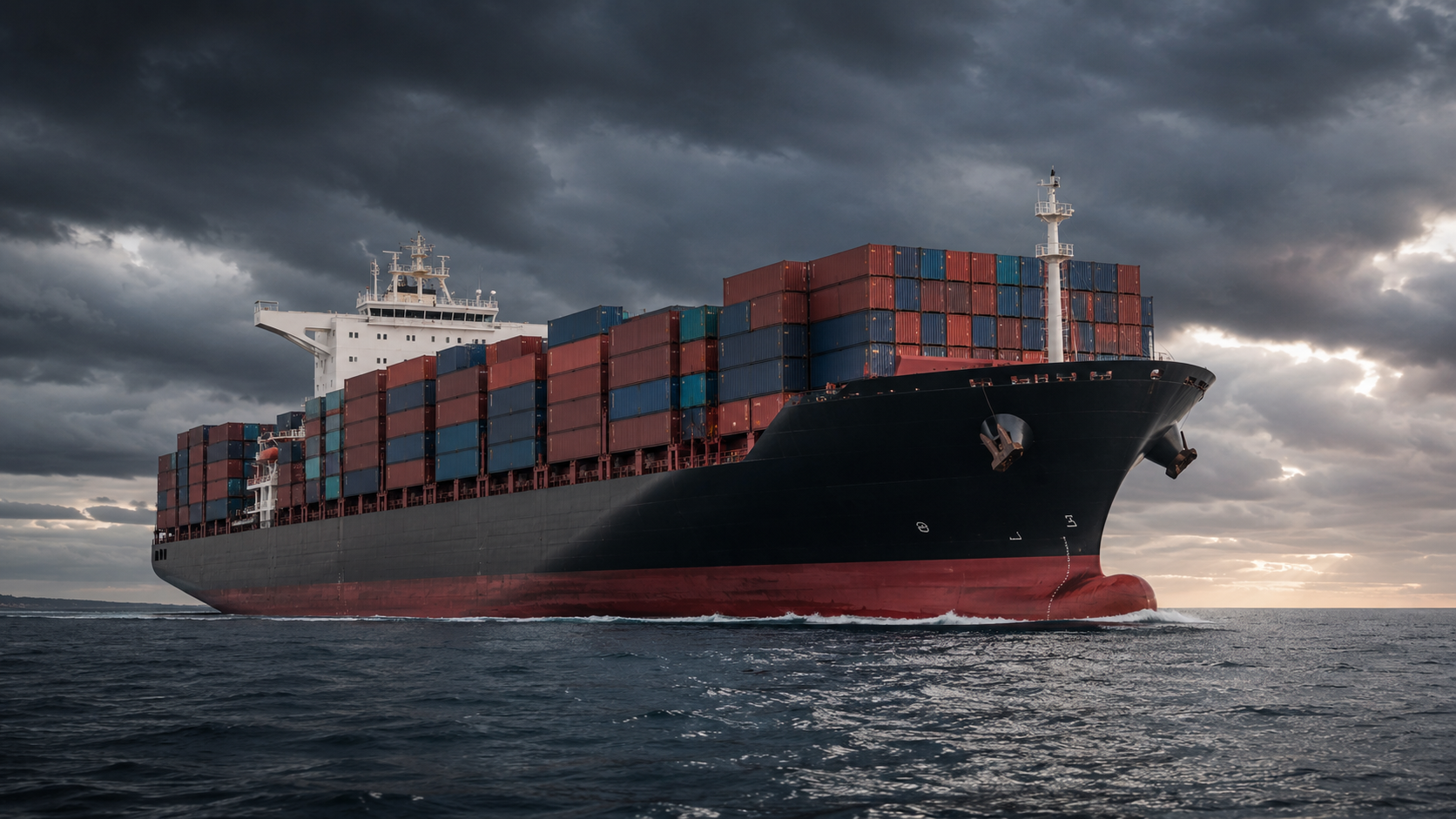
Red Sea Disruptions and Early Peak Season Buying Push Global Freight Rates Higher in 2026
The latest freight rates have moved noticeably higher as several market pressures converge at the same time. Red Sea disruptions continue to reshape shipping routes while tighter vessel availability and early peak season purchasing have intensified competition for available container space. These developments are increasing transportation costs across many chemical supply chains.
Importers, exporters and procurement managers now face a more competitive freight environment than many expected at this stage of the year. Companies that depend on predictable shipping schedules must evaluate sourcing strategies carefully because logistics costs increasingly influence the total landed cost of chemical products.
Why Freight Rates Are Rising Again
Several interconnected factors have created the current freight rate rally. Rather than a single market event, the increase reflects multiple pressures affecting global shipping capacity simultaneously.
The most important drivers include:
Red Sea disruptions continue to divert vessels onto longer sailing routes. Longer voyages reduce the number of trips each ship can complete, effectively tightening global shipping capacity.
Limited vessel availability has made it harder for exporters to secure bookings during preferred shipping windows. Available slots fill faster, especially on major Asia to Europe trade lanes.
Carrier pricing strategies have also supported higher freight levels. Shipping companies have introduced successive rate increases where demand has remained strong.
Early peak season buying has accelerated cargo volumes ahead of the traditional seasonal rush. Importers are moving purchases earlier to reduce the risk of future delays.
Together, these conditions have strengthened carrier pricing power while reducing the flexibility buyers previously enjoyed.
The Impact of Red Sea Shipping Disruptions
The Red Sea remains one of the world's most important maritime corridors. Any disruption along this route quickly affects container shipping schedules across multiple continents.
Many shipping lines continue operating around alternative routes that require longer transit times. Although these diversions help maintain cargo movement, they also create several operational challenges.
These include:
Longer voyage durations that keep vessels occupied for extended periods.
Increased fuel consumption and operating costs for shipping companies.
Reduced equipment availability as containers take longer to return to export hubs.
Greater scheduling uncertainty for importers waiting on critical raw materials.
For chemical traders, these disruptions create additional planning requirements because production schedules often depend on reliable delivery dates.
Early Peak Season Buying Is Tightening Capacity
Peak shipping demand usually builds gradually during the second half of the year. This cycle has shifted as many buyers accelerated purchasing decisions.
Companies across multiple industries have chosen to place larger orders earlier than usual to avoid future freight increases and possible shipping delays. While this strategy reduces individual supply risk, it also increases overall cargo demand much sooner.
As more importers compete for limited shipping space, carriers gain greater flexibility to maintain elevated freight pricing.
Carrier Pricing Strategies Continue Supporting Higher Rates
Shipping companies have responded to stronger demand by introducing pricing measures that reflect tighter market conditions.
Higher utilization levels allow carriers to reduce discounting while implementing general rate increases on selected routes. When vessel capacity remains constrained, customers often accept these higher prices to secure shipment dates.
Chemical importers operating on fixed delivery schedules may therefore experience transportation costs that rise faster than raw material prices themselves.
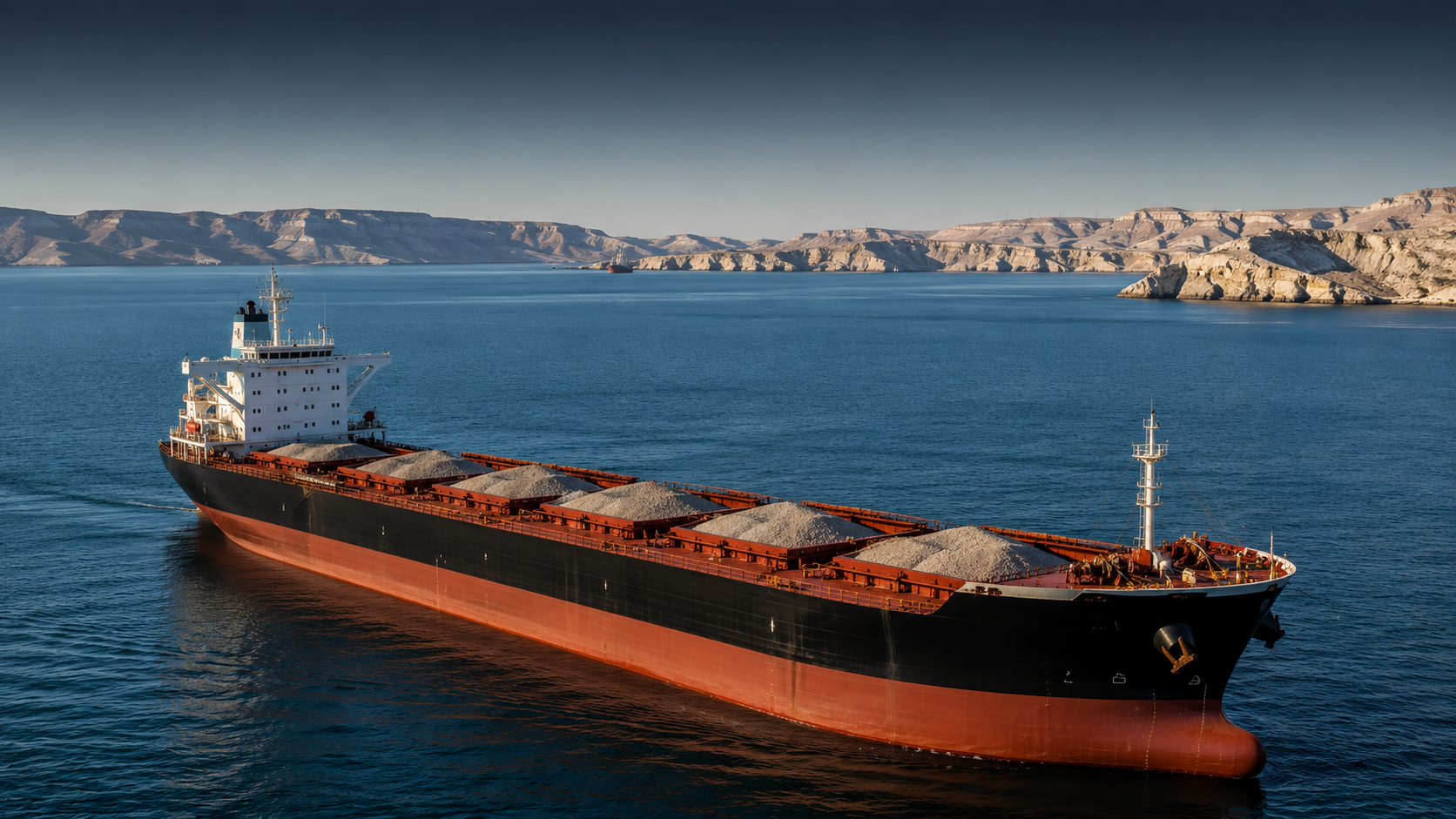
How Higher Freight Costs Affect Chemical Trade
Freight costs represent a significant portion of the total landed cost for many chemical products. When ocean transportation becomes more expensive, buyers often reassess sourcing plans, inventory levels and purchasing schedules.
Products with relatively low margins feel the greatest impact because logistics account for a larger share of the final delivered price. Bulk chemicals, commodity polymers and industrial raw materials often fall into this category.
Procurement teams should pay close attention to:
Contract timing. Longer-term freight agreements may provide greater pricing stability than relying solely on spot market bookings during periods of volatility.
Supplier location. Alternative sourcing regions may reduce shipping costs or shorten transit times depending on destination markets.
Inventory planning. Maintaining appropriate stock levels can help reduce the risk of production interruptions caused by delayed shipments.
Freight visibility. Regular monitoring of shipping schedules allows buyers to respond more quickly when capacity conditions change.
Trade Routes Facing the Greatest Pressure
Not every shipping lane experiences the same level of congestion. Routes connected to Asia continue to attract particularly strong demand because the region remains the world's largest manufacturing base for many industrial and chemical products.
Europe-bound shipments have experienced additional pressure due to longer sailing routes associated with Red Sea disruptions. Meanwhile, exporters serving North America continue monitoring vessel allocation and equipment availability as carriers adjust fleet deployment across global networks.
For businesses importing chemicals from Asia, transportation planning has become just as important as negotiating product prices.
Procurement Strategies for a Volatile Freight Market
Successful procurement during periods of rising freight costs depends on preparation rather than reaction. Companies that anticipate shipping constraints often secure better commercial outcomes than those purchasing only when immediate demand arises.
Several practical approaches can improve supply chain resilience:
Book shipments earlier whenever possible. Earlier reservations generally provide more flexibility and reduce the likelihood of premium freight charges.
Maintain close communication with suppliers. Early production updates allow buyers to coordinate shipping schedules before capacity becomes limited.
Diversify sourcing options. Working with suppliers across multiple countries can reduce dependence on a single trade lane experiencing congestion.
Review total landed cost instead of product price alone. A slightly higher product price from a closer supplier may produce overall savings when freight costs are considered.
Monitor market developments regularly. Freight conditions can change quickly as carriers adjust capacity or geopolitical events affect shipping routes.
These practices help procurement managers make informed purchasing decisions while reducing exposure to unexpected logistics costs.
What the Freight Market Could Mean for the Rest of 2026
The direction of freight rates will largely depend on vessel availability, shipping demand and developments affecting global trade routes.
If Red Sea disruptions continue and early purchasing remains strong, freight markets may stay firm through the remainder of the peak shipping season. Any further tightening of available capacity could place additional upward pressure on transportation costs.
Conversely, an improvement in shipping conditions or weaker cargo demand could gradually ease pricing later in the year. Even so, many market participants expect freight markets to remain more volatile than historical averages, making flexibility an increasingly valuable advantage for international buyers.
The Bottom Line for Procurement Teams
Freight costs have once again become a major factor influencing international chemical trade. Red Sea disruptions, tighter vessel availability, carrier-led pricing and early peak season buying have combined to create a stronger freight market that requires careful planning from buyers.
Procurement teams that secure shipping capacity early, diversify sourcing strategies and monitor logistics trends closely will be better positioned to manage rising transportation costs while protecting supply continuity. Companies that treat freight as a strategic purchasing consideration rather than a routine operational expense can improve both cost control and supply chain resilience.
Ready to source freight-sensitive chemical products from verified global suppliers? Explore competitive offers on our platform today.

PVC Resin
Found this useful?