Repauno Works Site Remediation Continues Under the New Settlement Terms
The Repauno Works facility in Gloucester County, New Jersey, remains a focal point of environmental remediation efforts following the approval of a landmark $2.5 billion settlement. This site is one of four DuPont-linked locations covered by the agreement between the state, DuPont-related entities and 3M. The settlement ensures that funding will remain available for the complex and lengthy process of cleaning up per- and polyfluoroalkyl substances (PFAS) contamination.
For chemical buyers and procurement professionals, the ongoing work at Repauno Works serves as a reminder that environmental liability is a long-term operational reality. It demonstrates that even after legal settlements are reached, the physical work of remediation continues for decades. Understanding this timeline helps buyers assess the sustained impact on local infrastructure and supplier operations.
The History of Repauno Works
Repauno Works has a long industrial history dating back to the early 20th century. Originally operated by Hercules Inc., the site later came under the ownership of DuPont through various corporate transactions. For decades, the facility produced explosives and other chemical products. These operations left a legacy of soil and groundwater contamination that includes PFAS compounds.
The site’s location near the Delaware River makes its cleanup particularly sensitive. Contaminants have the potential to migrate into waterways affecting downstream communities and ecosystems. This geographic reality drives the urgency and complexity of the remediation efforts mandated by the settlement.
Key historical factors include:
Industrial Legacy: Decades of chemical manufacturing created extensive contamination
Corporate Transfers: Ownership changes complicated initial liability assessments
Regulatory Action: State and federal agencies identified the site as a priority for cleanup
Community Impact: Local residents raised concerns about water quality and health risks
The inclusion of Repauno Works in the settlement acknowledges these historical complexities. It ensures that responsibility for cleanup is clearly assigned and funded regardless of past corporate restructuring.
Scope of the Remediation Efforts
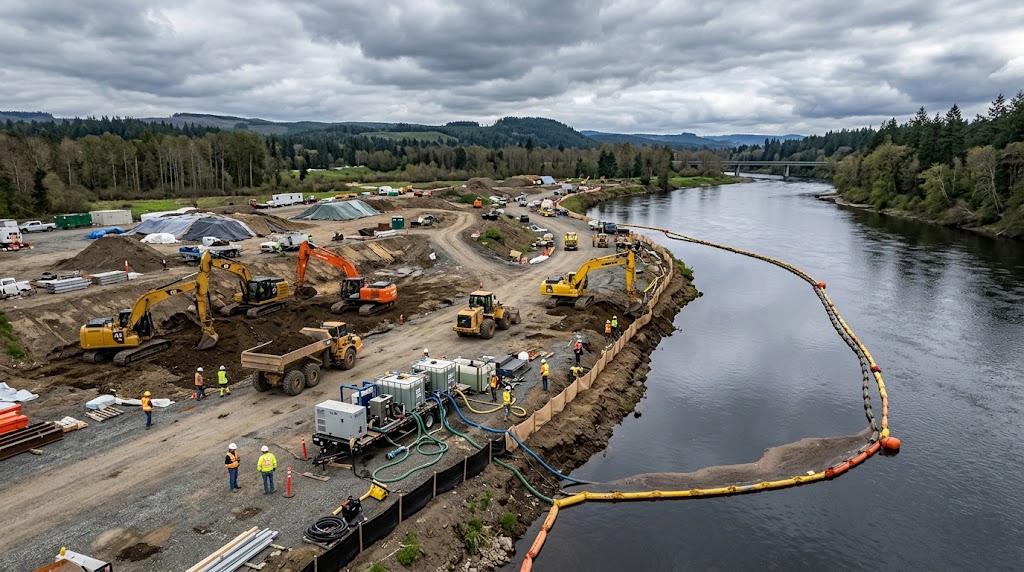
The cleanup at Repauno Works involves multiple technical challenges. PFAS compounds are highly persistent and do not break down naturally in the environment. Removing them requires specialized technologies and continuous monitoring.
Remediation activities currently underway include:
Groundwater Treatment: Installing pump-and-treat systems to remove contaminants from aquifers
Soil Excavation: Removing heavily contaminated soil and replacing it with clean fill
Containment Barriers: Constructing underground walls to prevent the spread of pollution
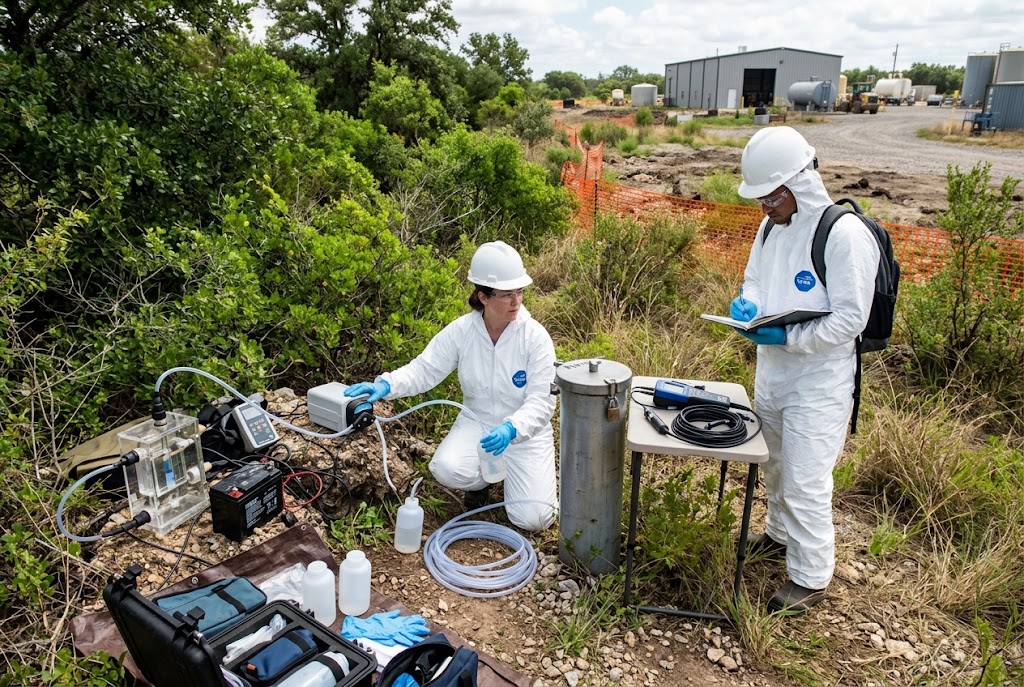
Surface Water Monitoring: Regular testing of nearby rivers and streams for PFAS levels
These efforts are capital intensive and require significant expertise. The settlement provides the financial resources needed to sustain these operations over the long term. Without this funding, cleanup progress could stall due to budget constraints.
Financial Commitments and Long-Term Funding
The $2.5 billion settlement allocates specific funds for sites like Repauno Works. DuPont-related entities will contribute $875 million while 3M will pay up to $450 million over 25 years. This structured payment plan ensures a steady flow of capital for remediation projects.
For suppliers and contractors involved in the cleanup, this represents a stable source of business. Companies specializing in environmental services, filtration media and waste management can expect continued demand. Buyers in these sectors should monitor contract opportunities arising from these large-scale projects.
However, the long duration of the payout also means that liability remains on the balance sheets of the defendants for decades. This ongoing financial obligation may influence their strategic decisions regarding new investments or capacity expansions. Procurement teams should consider this when evaluating the long-term stability of these major chemical producers.
Impact on Local Infrastructure and Logistics
Large-scale remediation projects often affect local infrastructure. Heavy truck traffic, temporary road closures and utility upgrades are common during active cleanup phases. For buyers sourcing from the region, these logistical disruptions can impact delivery times.
Suppliers located near Repauno Works may face increased transportation costs or delays. Procurement managers should maintain open communication with these vendors to anticipate potential bottlenecks. Building extra lead time into orders can help mitigate the impact of local construction activities.
Conversely, the investment in infrastructure improvements associated with the cleanup can benefit the region in the long run. Upgraded roads and utilities may improve logistics efficiency once the most intensive phase of remediation is complete.
Regulatory Oversight and Compliance
The settlement establishes strict regulatory oversight for the Repauno Works cleanup. State agencies will monitor progress closely to ensure that milestones are met. Regular reporting requirements keep the public and stakeholders informed about the status of the remediation.
This high level of scrutiny sets a precedent for other contaminated sites. It demonstrates that regulators are committed to enforcing thorough cleanup standards. For chemical manufacturers, this means that environmental compliance is not optional. It is a core business requirement with significant financial implications.
Buyers should look for suppliers who prioritize regulatory compliance. Companies with strong environmental track records are less likely to face unexpected legal or operational disruptions. Verifying a supplier’s compliance history is a key part of modern due diligence.
Opportunities in Environmental Services
The ongoing remediation at Repauno Works creates opportunities for suppliers of environmental services and materials. Demand for activated carbon, ion exchange resins and specialized filtration systems remains high. These materials are essential for treating contaminated water and soil.
Suppliers who can provide high-quality, certified materials for remediation projects are well-positioned for growth. Buyers in the environmental sector should explore partnerships with manufacturers who have proven experience in PFAS removal technologies.
Additionally, there is growing interest in innovative cleanup technologies. Companies developing new methods for destroying PFAS compounds are attracting significant investment. Keeping abreast of these technological advancements can provide a competitive edge in the market.
The Bottom Line for Procurement Teams
The continued remediation at Repauno Works underscores the enduring nature of PFAS liability. For chemical buyers, it highlights the importance of understanding the environmental history of their supply chain. Legal settlements provide funding for cleanup but do not eliminate the operational challenges associated with contamination.
Procurement professionals must factor these long-term liabilities into their risk assessments. Suppliers with significant environmental obligations may face financial pressures that affect their reliability. Diversifying your supply base and monitoring vendor financial health are essential strategies.
At the same time, the remediation effort creates market opportunities for specialized products and services. Identifying and partnering with capable providers in this space can drive value for your organization. Stay informed about regulatory developments and technological innovations to make the best sourcing decisions.
Ready to source activated carbon from verified global suppliers? Explore competitive offers on our platform today.
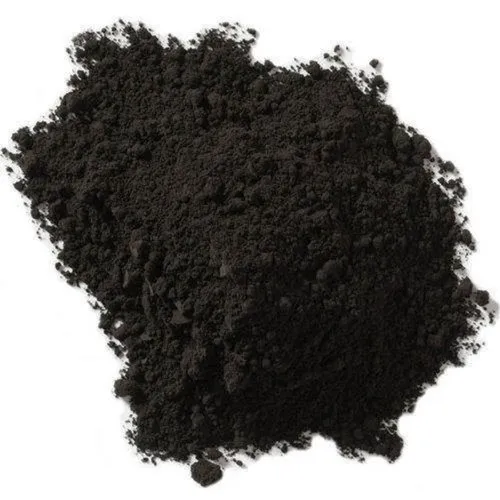
Activated Carbon (Granular) - India
Found this useful?