A recovery in one of Europe's major chemicals businesses is offering buyers an unexpected window into cost trends elsewhere. Repsol's chemicals division has returned to profitability, with margins nearly doubling compared to recent periods. For buyers and traders sourcing pharmaceutical intermediates, this turnaround provides an indirect but useful signal about where upstream feedstock costs may be heading.
Why a Chemicals Turnaround Matters Beyond Repsol
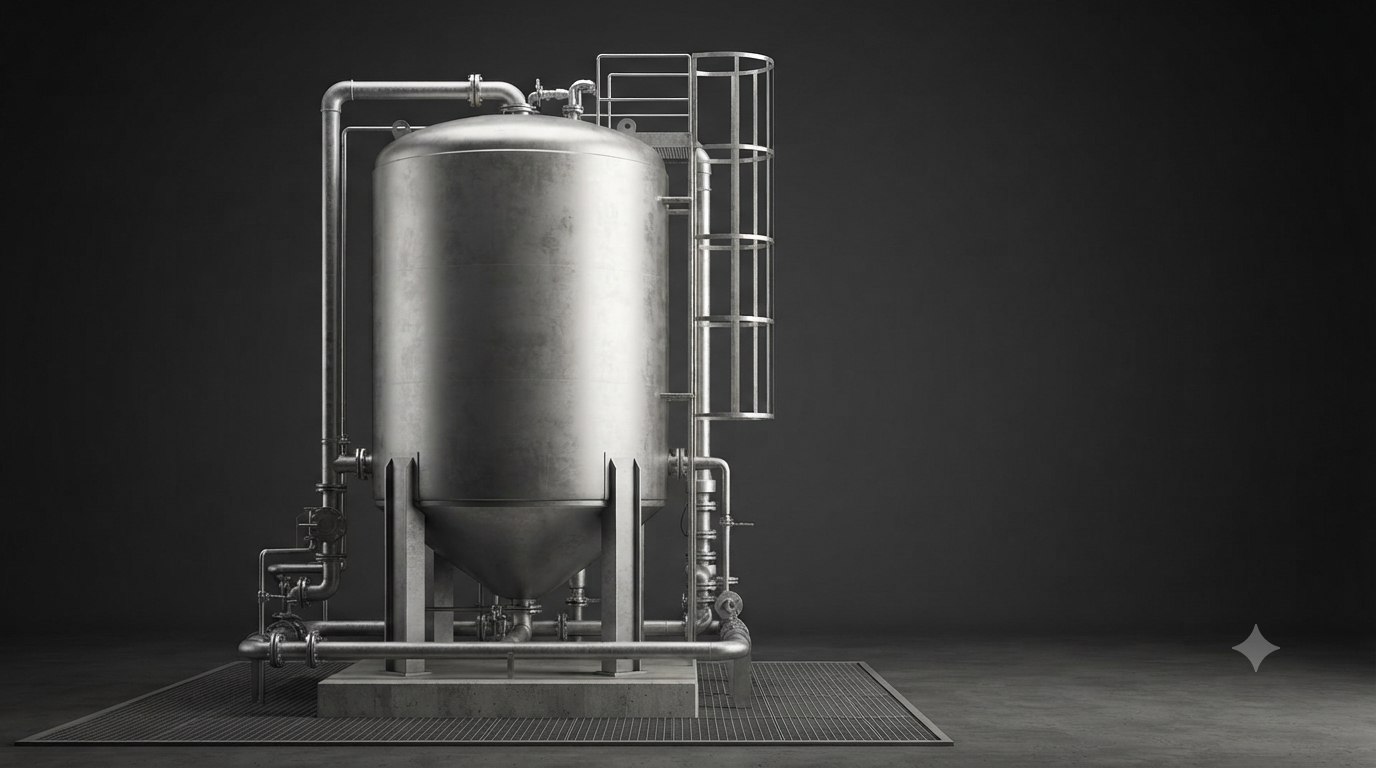
Repsol's chemicals business produces base and intermediate petrochemical products that feed into a wide range of downstream industries, including materials used in pharmaceutical manufacturing. When a large integrated producer like Repsol sees margins improve this sharply, it usually reflects broader shifts in feedstock costs, plant utilization or demand recovery across the petrochemical value chain rather than a company specific event alone.
For pharmaceutical intermediate buyers, tracking major petrochemical producers offers a useful proxy, since many intermediates ultimately trace back to base chemicals produced at this scale.
What Nearly Doubling Margins Signals
Margin improvement of this magnitude typically points to a mix of favorable conditions rather than a single factor. A few possibilities worth considering:
Lower feedstock input costs: Reduced naphtha or gas prices relative to prior periods can widen margins significantly across integrated chemical operations.
Improved plant utilization: Higher output relative to fixed costs naturally improves profitability once facilities run closer to full capacity.
Stronger downstream demand: Recovering demand across plastics, industrial chemicals and intermediate products can support better pricing power for producers.
Connecting Petrochemical Margins to Pharma Intermediate Costs
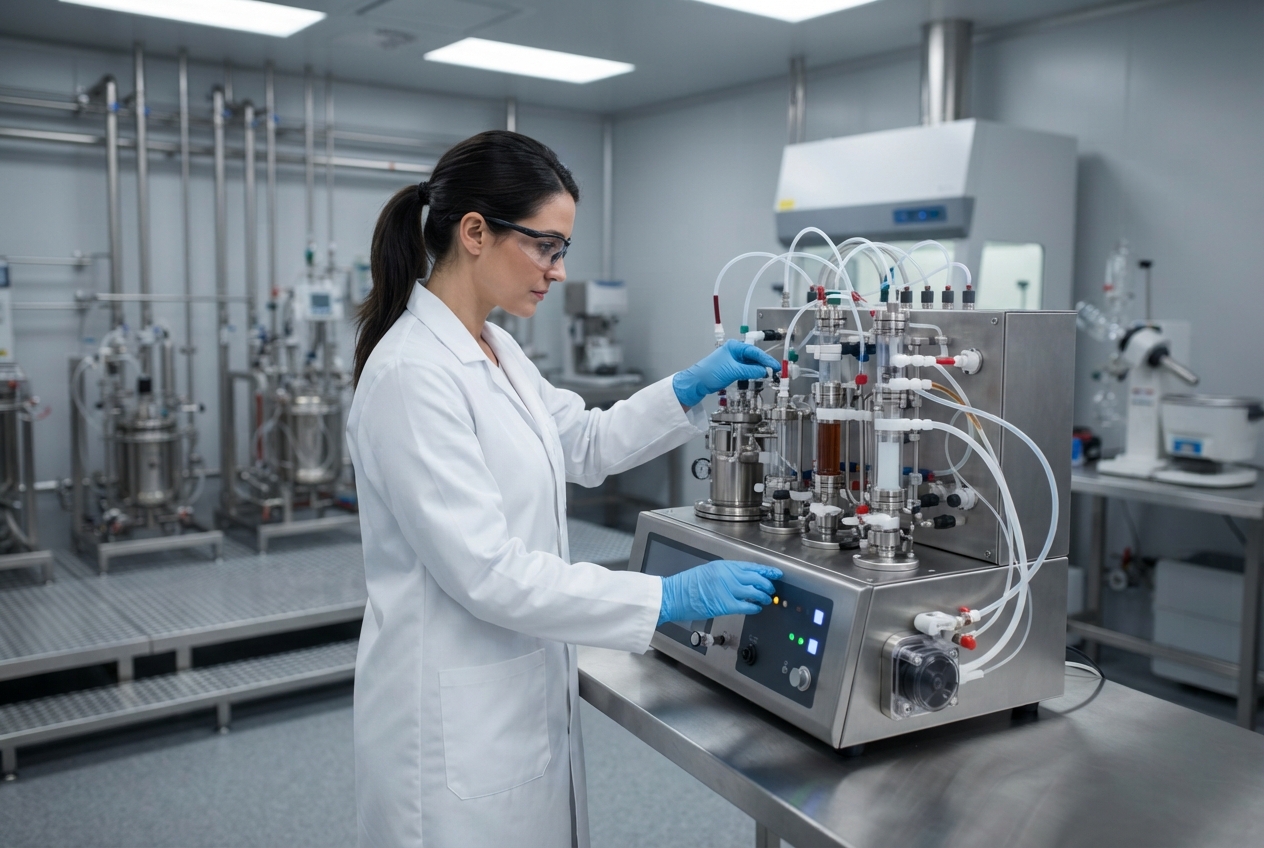
Pharmaceutical intermediates often rely on base petrochemical building blocks that pass through several processing stages before reaching finished ingredient form. When a major producer like Repsol sees input costs ease or output efficiency improve, that relief can eventually work its way through the supply chain toward intermediate manufacturers who purchase these base materials.
This connection is indirect and takes time to materialize, but it gives buyers an early signal worth tracking rather than waiting for cost changes to appear directly in intermediate supplier quotes.
What This Means for Pharmaceutical Intermediate Buyers
Procurement teams sourcing pharmaceutical intermediates should treat Repsol's improved margins as one data point within a broader cost picture rather than a direct promise of lower prices. Still, a few practical takeaways apply:
Watch whether other major petrochemical producers report similar margin improvement in the same period, which would strengthen the signal.
Ask current intermediate suppliers whether their own input costs have shifted in response to broader petrochemical market conditions.
Use this kind of upstream data point to inform timing conversations around longer term supply contracts.
Reading Producer Earnings as a Sourcing Signal
Large integrated chemical producers report earnings well before many of those cost shifts become visible in intermediate or finished ingredient pricing. Buyers who pay attention to producer level results, even outside their direct supplier base, often gain a useful head start on anticipating where broader input costs are trending.
Repsol's results in this case offer exactly that kind of early indicator, particularly for buyers operating across European supply chains where the company holds significant production presence.
A Broader Pattern Worth Watching
Petrochemical profitability tends to move in cycles tied closely to feedstock pricing and global demand conditions. A turnaround at a major producer like Repsol often coincides with similar improvement across the sector more broadly, though timing and magnitude can vary by region and specific product line.
Pharmaceutical intermediate buyers who track these cycles alongside their direct supplier relationships tend to negotiate from a stronger position, since they understand whether current pricing reflects temporary pressure or a more durable cost environment.
What Buyers Should Watch Next
As this recovery unfolds, a few developments are worth following:
Whether Repsol's margin improvement holds steady or reflects a temporary cost advantage in the reported period.
Similar earnings updates from other major petrochemical producers supplying the pharmaceutical intermediate chain.
Any downstream pricing movement among intermediate suppliers over the following one to two quarters.
The Bottom Line for Pharmaceutical Procurement Teams
Repsol's chemicals turnaround, with margins nearly doubling, offers pharmaceutical intermediate buyers a useful if indirect read on where upstream costs may be heading. Staying alert to producer level signals like this one gives procurement teams an early edge when planning sourcing strategy and contract timing in the months ahead.
Ready to source pharmaceutical intermediates from verified global suppliers? Explore competitive offers on our platform today.