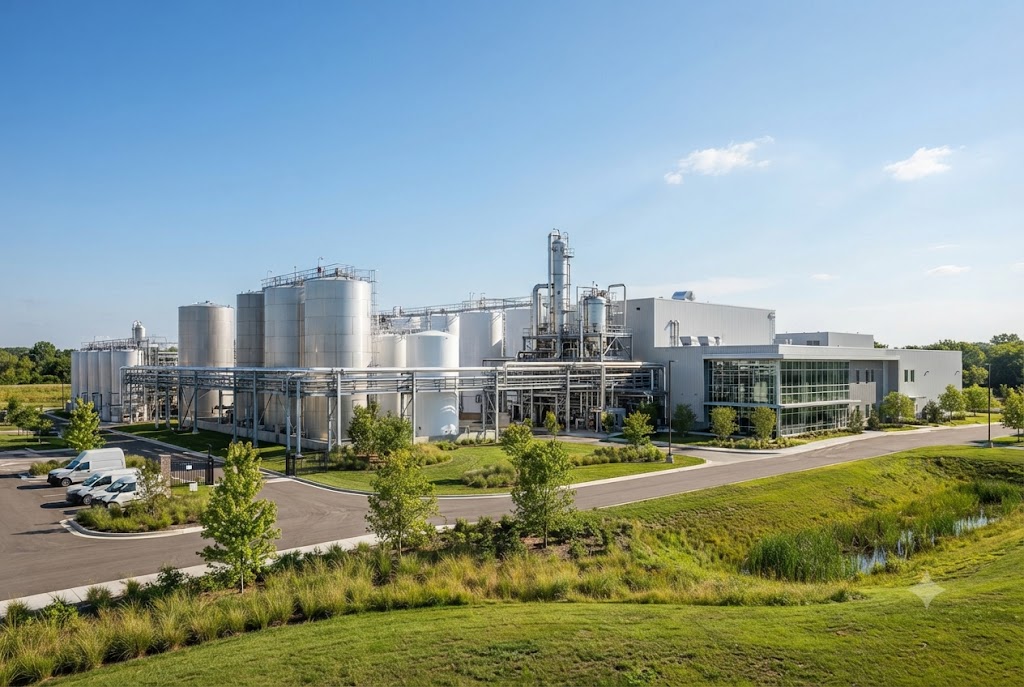
The global energy transition is reshaping raw material markets as Repsol expands its renewable production capabilities. The company recently launched its second 100% renewable fuels plant on the Iberian peninsula. This new facility boasts an annual production capacity of 200,000 tonnes of renewable diesel derived from biological feedstocks. This strategic move significantly increases demand for bio-based raw materials across the region. Procurement managers in both the energy and chemical sectors must monitor this development closely. The expansion creates direct competition for feedstocks traditionally used in food processing and oleochemical manufacturing. Buyers relying on vegetable oils and animal fats need to anticipate tighter supply conditions and potential price volatility. Understanding the scale of this operation allows sourcing teams to adjust their strategies proactively. Ignoring this shift could lead to unexpected cost increases for downstream manufacturers.
The Scale of Repsol’s Renewable Expansion
The new Iberian plant represents a major commitment to sustainable energy production. With a capacity of 200,000 tonnes per year, it significantly boosts Repsol’s total renewable output. This volume requires a consistent and massive influx of biological raw materials. The facility utilizes advanced hydrotreating technology to convert diverse feedstocks into high-quality renewable diesel. This process demands strict quality control and steady supply flows.
The location on the Iberian peninsula provides strategic access to both European and Atlantic supply routes. This geographic advantage allows Repsol to source materials from a wide variety of regions. However, it also places the company in direct competition with local chemical and food processors. The sheer volume of required inputs will influence regional market dynamics substantially. Buyers must recognize that this is not a pilot project but a major industrial operation.
Competition for Bio-Based Feedstocks
Renewable diesel production relies heavily on triglyceride-rich materials such as vegetable oils and animal fats. These same ingredients are essential for producing oleochemicals, soaps, and various food products. As Repsol scales up its operations, the demand for these shared resources intensifies. This overlap creates a competitive bidding environment for key raw materials.
Suppliers of palm oil, rapeseed oil, and tallow will see increased interest from energy buyers. This demand surge can drive up baseline prices for all users of these commodities. Chemical manufacturers who previously enjoyed stable pricing may face sudden cost pressures. Procurement teams must evaluate their exposure to these shared supply chains carefully. Diversifying feedstock sources becomes a critical risk mitigation strategy.
Increased demand for used cooking oil and animal fats drives up collection costs. Waste streams that were once inexpensive are now valuable energy commodities.
Vegetable oil prices may experience upward pressure due to energy sector absorption. Food and cosmetic manufacturers must budget for higher input costs.
Supply chain transparency becomes essential to verify sustainability credentials. Buyers must ensure their feedstocks meet strict regulatory standards for renewable fuel production.
Impact on Oleochemical and Food Supply Chains
The intersection of energy and food markets creates complex supply chain challenges. Oleochemical producers rely on steady access to fatty acids and glycerine derivatives. When energy companies absorb large volumes of these inputs, chemical manufacturers face supply constraints. This scarcity can lead to longer lead times and reduced availability of specialty grades.
Food manufacturers also feel the impact through higher packaging and ingredient costs. Many food-grade emulsifiers and stabilizers are derived from the same vegetable oils used in renewable diesel. Price increases in raw materials inevitably pass through to the final consumer product. Procurement professionals in the food sector must engage with suppliers early to secure long-term contracts. Locking in volumes now prevents exposure to future spot market spikes.
Strategic Sourcing in a Competitive Market
Procurement teams must adopt a more agile approach to sourcing bio-based materials. Relying on single-source suppliers exposes organizations to significant risk. Diversifying the supply base to include alternative feedstocks can mitigate price volatility. Exploring non-traditional sources such as algae or microbial oils may provide long-term stability.
Building stronger collaborative relationships with key suppliers is essential. Long-term agreements with flexible pricing mechanisms can provide necessary budget certainty. Suppliers are more likely to prioritize partners who offer volume stability and predictable demand. Buyers should also consider vertical integration opportunities to secure their own raw material streams. This strategic shift reduces dependency on volatile external markets.
Regulatory Drivers and Sustainability Goals
Government mandates play a crucial role in driving renewable fuel adoption. European regulations require increasing blends of renewable content in transportation fuels. Repsol’s expansion aligns perfectly with these policy objectives. Compliance with these mandates ensures a steady market for renewable diesel production.
However, these regulations also impose strict sustainability criteria on feedstock sourcing. Materials must meet specific greenhouse gas reduction thresholds to qualify for incentives. This requirement adds another layer of complexity to procurement. Buyers must verify the carbon footprint of their supply chains meticulously. Documentation and certification become as important as the physical product itself.
Technological Innovations in Feedstock Processing
Advanced hydrotreating technologies allow refineries to process a wider range of feedstocks. Repsol’s new plant can handle lower-quality inputs such as waste oils and residues. This flexibility reduces reliance on prime vegetable oils and alleviates some pressure on food markets. However, the technical requirements for processing these varied inputs remain stringent.
Suppliers must ensure consistent quality to prevent operational disruptions at the refinery. Contaminants in waste streams can damage expensive catalysts and reduce efficiency. Procurement teams must work closely with suppliers to establish rigorous quality control protocols. Regular testing and certification help maintain smooth operations. This technical collaboration strengthens the overall supply chain resilience.
Market Outlook for Bio-Based Materials
The demand for bio-based feedstocks is projected to grow steadily in the coming years. More energy companies are launching similar renewable fuel projects globally. This trend suggests that competition for raw materials will remain intense. Prices for vegetable oils and animal fats are likely to stay elevated compared to historical averages.
Chemical and food manufacturers must adapt to this new normal. Investing in alternative materials and efficient processing technologies will be key to maintaining competitiveness. Companies that proactively manage their supply chain risks will thrive in this evolving landscape. Monitoring global policy changes and technological advancements remains essential for strategic planning.
What Buyers Should Do Now
Review your current feedstock supply contracts and exposure to bio-based materials. Identify areas where you can diversify your sourcing strategy to reduce risk. Engage with your key suppliers to discuss long-term volume commitments and pricing structures.
Explore alternative feedstock options that are less susceptible to energy market competition. Investigate the feasibility of using recycled or waste-derived materials in your processes. Building a resilient and adaptable supply chain is the best defense against market volatility. Stay informed about regulatory changes and technological innovations in the renewable fuels sector.
Ready to source Oleic Acid 80% Min from verified global suppliers? Explore competitive offers on our platform today.