Building Resilient Chemical Supply Chains Amid Global Uncertainty
Chemical supply chains connect manufacturers, raw material producers, distributors, shipping companies and industrial buyers across multiple countries. These networks keep essential products moving into industries such as agriculture, pharmaceuticals, construction, automotive manufacturing, textiles and consumer goods. However, geopolitical tensions, changing trade policies, transportation disruptions and fluctuating energy costs continue to create uncertainty for international chemical markets.
For chemical traders and procurement managers, these challenges make supply reliability just as important as product pricing. A delayed shipment of a critical raw material can interrupt manufacturing, increase operating expenses and affect customer commitments. Companies must therefore move beyond traditional cost-focused purchasing and develop supply chains that can withstand unexpected disruptions.
Building resilient chemical supply chains requires diversified sourcing, stronger supplier relationships, effective inventory management and better visibility across transportation networks. Businesses that prepare for uncertainty can protect production schedules while maintaining competitive procurement costs.
Why Chemical Supply Chains Face Growing Uncertainty
The chemical industry depends on interconnected global markets. Manufacturers frequently source feedstocks, intermediates and specialty chemicals from different countries before processing and distributing finished products to international customers.
This international structure provides access to competitive prices and specialized production capabilities. However, it also creates exposure to disruptions that can affect several stages of the supply chain simultaneously.
Geopolitical tensions and trade restrictions
Political conflicts, economic sanctions, tariffs and export restrictions can change established chemical trade routes. Buyers that depend heavily on one exporting country may experience shortages when governments introduce new trade measures or restrict access to important raw materials.
Changes in international trade relationships can also affect payment arrangements, customs procedures and supplier availability. Procurement teams must monitor these developments because a commercially attractive supplier may become difficult to access when trade conditions change.
Transportation and energy disruptions
Chemical products often travel through complex transportation networks involving ports, shipping terminals, storage facilities and inland distribution systems. Disruptions at major maritime routes can extend delivery schedules and increase freight expenses.
UN Trade and Development's 2025 Review of Maritime Transport highlights how shipping disruptions and vessel rerouting have increased transportation distances, costs and uncertainty. These developments demonstrate why chemical buyers must evaluate logistics risks alongside supplier pricing.
UN Trade and Development (UNCTAD)+1
Energy market volatility creates another challenge. Many chemical manufacturing processes rely on natural gas, petroleum derivatives and electricity. Changes in energy availability or costs can influence production economics, operating capacity and the prices of downstream chemical products.
Supplier Diversification as a Foundation for Resilience
Depending on a single supplier or exporting country creates significant procurement risks. Even a financially stable supplier may experience production interruptions, raw material shortages or logistical difficulties that affect its ability to deliver orders.
Supplier diversification reduces this exposure by creating alternative purchasing options. It does not require businesses to abandon established suppliers. Instead, procurement teams should develop a broader network that provides flexibility when their primary sourcing arrangements become unreliable.
Develop multiple sourcing regions
Chemical buyers should identify suppliers across different geographical markets rather than concentrating purchases in one country.
For example, a business purchasing industrial chemicals from one major exporting market can evaluate alternative manufacturers or distributors in other regions. This approach creates additional sourcing opportunities when production interruptions, export restrictions or transportation problems affect the original supplier.
However, geographical diversification must involve genuine supply independence. Purchasing from three distributors that all obtain their products from the same manufacturer may not provide meaningful protection.
Evaluate suppliers beyond their quoted prices
The lowest quotation does not always represent the best procurement decision. Buyers should assess suppliers using several commercial and operational criteria:
Production capacity: Confirm whether the supplier can consistently meet the required order quantities.
Delivery reliability: Review historical delivery performance and the supplier's ability to manage shipping delays.
Quality consistency: Check specifications, certificates of analysis and batch-to-batch product consistency.
Financial stability: Consider whether the supplier has the resources to maintain operations during difficult market conditions.
Regulatory compliance: Verify relevant safety documentation, product registration and export requirements.
Communication: Evaluate how quickly the supplier responds to order changes, complaints and unexpected disruptions.
The OECD's 2025 Supply Chain Resilience Review emphasizes diversification and adaptability rather than complete relocation of supply chains. Its findings support a balanced approach that preserves international trade while reducing excessive supplier concentration.
OECD+1
Inventory Management and Strategic Stock Planning
Inventory management plays an important role in protecting chemical businesses against sudden supply interruptions. Companies that maintain insufficient stock may struggle to continue production when shipments arrive late or suppliers temporarily stop manufacturing.
However, maintaining excessive inventory also creates financial and operational challenges. Chemical storage requires warehouse space, working capital, proper handling procedures and suitable environmental controls.
Procurement managers must therefore establish inventory policies according to product criticality, supplier reliability and replenishment time.
Identify critical chemical materials
Not every chemical requires the same level of inventory protection. Businesses should classify materials according to their importance to production and the availability of substitutes.
Critical products often include:
Essential raw materials that directly influence manufacturing continuity.
Specialty chemicals with limited qualified suppliers.
Imported feedstocks with long transportation and customs clearance periods.
Products with limited shelf life or specific storage requirements.
Materials that cannot easily be replaced with alternative grades or formulations.
This classification helps procurement teams prioritize inventory investment where shortages could create the greatest operational consequences.
Calculate appropriate safety stock
Safety stock provides additional inventory when actual demand or delivery times differ from expectations. Buyers should consider historical consumption, supplier lead times and the potential duration of supply interruptions when setting stock levels.
For example, a manufacturer importing a critical chemical through a congested shipping route may require a larger buffer than a business purchasing the same product from a reliable domestic distributor.
Companies should also monitor stock rotation and expiry dates. Some chemicals require temperature control, moisture protection or specialized storage conditions. Excessive stock can therefore introduce quality risks even when sufficient warehouse space exists.
Digital Visibility and Supply Chain Risk Monitoring
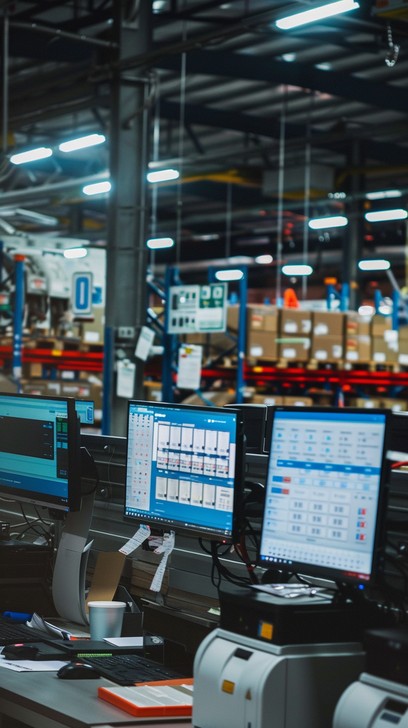
Modern chemical procurement requires accurate information about suppliers, orders, shipments and inventory positions. Without reliable visibility, purchasing teams may discover supply problems only after production schedules or customer deliveries face disruption.
Digital supply chain systems help businesses monitor purchasing activities and identify potential problems earlier.
Track suppliers and shipments
Procurement teams should maintain centralized records covering purchase orders, supplier commitments, shipment progress and expected arrival dates.
Regular shipment tracking helps buyers identify delays before they affect manufacturing operations. When a shipment misses an expected milestone, purchasing teams can contact the logistics provider, investigate alternative routes or arrange temporary supplies.
Supplier performance records also help identify recurring problems. Businesses can use delivery history, quality complaints and order fulfilment data to determine which suppliers deserve a larger share of future purchasing volumes.
Build early-warning systems
Supply chain monitoring should extend beyond individual purchase orders. Buyers should follow developments that may affect future availability and costs.
Useful indicators include:
Changes in international freight rates and shipping schedules.
Export restrictions and new customs requirements.
Energy prices and major feedstock availability.
Supplier production announcements and planned maintenance.
Port congestion and transportation network disruptions.
Currency movements affecting international purchasing costs.
Digital tools can consolidate this information and help procurement managers respond before disruptions become serious operational problems.
Logistics Planning and Alternative Transportation Routes
Transportation is a major component of international chemical procurement. The choice of shipping method, port, warehouse and inland delivery route can influence product costs, delivery reliability and inventory requirements.
Chemical buyers should avoid depending entirely on one transportation route, particularly when purchasing products from distant manufacturing regions.
Create alternative logistics arrangements
Companies can work with multiple freight forwarders and shipping providers to maintain transportation flexibility. Alternative arrangements may include different ports, inland transport providers or shipping schedules.
For suitable products, businesses can also compare sea, road and rail transportation options. The most appropriate method depends on product characteristics, shipment size, destination infrastructure and applicable safety requirements.
Chemical transportation requires additional planning because certain products need specialized containers, temperature controls or hazardous-material handling procedures.
Strengthen warehouse and distribution networks
Regional warehouses and reliable distribution partners can reduce dependence on direct international deliveries for every customer order.
Importers and distributors can position selected products closer to important industrial customers. This arrangement may improve order fulfilment and reduce the effect of delays affecting individual shipments.
However, warehouse planning must account for chemical compatibility, ventilation, segregation, fire protection and local storage regulations. Businesses should also confirm that third-party logistics providers possess the facilities and expertise required to handle their products safely.
Managing Procurement Costs Without Increasing Supply Risks
Supply chain resilience does not mean purchasing the highest-priced products or maintaining excessive inventory. Businesses must balance reliability with cost efficiency to remain competitive in international chemical markets.
A procurement strategy focused exclusively on the lowest quotation can create hidden expenses when suppliers deliver late, shipments require expensive rerouting or products fail quality inspections.
Consider total landed cost
Buyers should evaluate the complete cost of acquiring and receiving a chemical rather than comparing supplier quotations alone.
Total landed cost may include:
Product purchase price.
International freight and insurance.
Customs duties and applicable taxes.
Port handling and documentation charges.
Warehousing and inland transportation.
Financing and currency conversion expenses.
Quality inspection and compliance costs.
A supplier offering a slightly higher product price may provide better overall value through shorter lead times, consistent quality and more reliable delivery arrangements.
Use flexible purchasing agreements
Long-term supplier agreements can improve supply visibility and support more predictable procurement planning. However, contracts should also address unexpected market conditions.
Buyers can negotiate provisions covering delivery schedules, minimum order quantities, shipment delays, quality standards and alternative supply arrangements.
Where appropriate, companies can distribute purchasing volumes across multiple qualified suppliers rather than committing all requirements to one manufacturer. This approach preserves flexibility without abandoning valuable commercial relationships.
Building Long-Term Resilience Through Risk Management
Resilient chemical supply chains require continuous assessment rather than occasional emergency planning. Businesses should regularly review their exposure to supplier failures, transportation disruptions, regulatory changes and market volatility.
Develop practical contingency plans
A supply chain contingency plan should explain how the business will respond when an important supplier or transportation route becomes unavailable.
Procurement teams should identify alternative suppliers, approved substitute products and emergency purchasing procedures before disruptions occur.
Companies should also establish clear responsibilities between procurement, production, finance, quality control and logistics departments. Coordinated decision-making reduces confusion when urgent purchasing or transportation decisions become necessary.
Strengthen supplier relationships
Strong supplier relationships can improve communication during uncertain market conditions. Manufacturers and distributors may provide earlier information about production schedules, raw material shortages and potential delivery problems to buyers with established commercial relationships.
Regular supplier reviews, transparent purchasing forecasts and timely payments can support these partnerships.
Businesses should also maintain communication with freight forwarders, warehouse operators and inspection agencies. Supply chain resilience depends on cooperation across the entire procurement network, not only the direct supplier relationship.
What Chemical Buyers Should Prioritize in 2027
The future of chemical procurement will depend on how effectively businesses combine cost management with supply chain flexibility. Companies that rely on outdated purchasing strategies may struggle when market conditions change quickly or established suppliers become unavailable.
Procurement managers should focus on several priorities:
Diversified sourcing: Establish relationships with multiple qualified manufacturers and distributors across different regions.
Inventory optimization: Maintain appropriate safety stock for critical chemicals without creating unnecessary storage expenses.
Digital procurement: Improve visibility into supplier performance, order status and shipment movements.
Logistics flexibility: Develop alternative shipping routes and transportation partnerships.
Supplier verification: Check product specifications, certifications, manufacturing capabilities and commercial reliability.
Risk assessment: Regularly review geopolitical developments, trade restrictions, energy costs and transportation conditions.
The OECD and other international organizations increasingly emphasize adaptable supply networks, stronger trade relationships and better risk monitoring. These priorities are particularly relevant to chemical businesses operating across international markets.
For chemical traders, importers and industrial buyers, resilient procurement is not simply about preparing for the next disruption. It is about creating purchasing arrangements that support consistent product availability, predictable costs and long-term business relationships.

Methanol
Found this useful?