Resource Access as a Strategic Trade Variable
Access to natural resources is becoming an increasingly important variable in global chemical trade.
For decades, chemical procurement often focused primarily on price, quality, reliability and logistics. Today, companies must also consider whether the underlying resources required to manufacture a product are secure, geographically diversified and politically accessible.
This is particularly important for chemicals linked to:
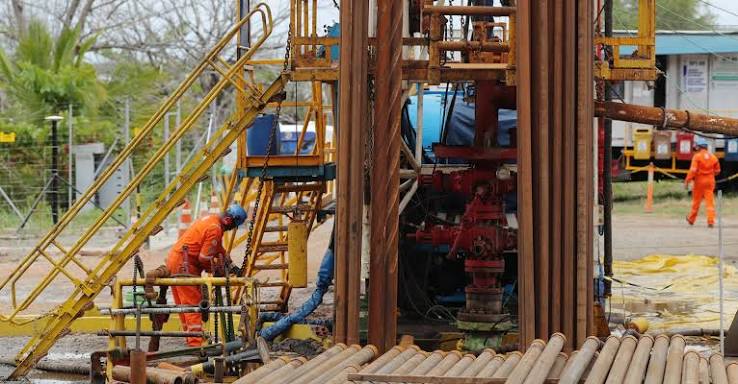
Oil and gas
Natural gas liquids
Minerals
Phosphate rock
Potash
Lithium
Rare earth elements
Industrial gases
Biomass
A supplier may offer a competitive price today, but if its production depends on a resource concentrated in one country or region, its long-term supply risk may be considerably higher.
Resource access is therefore becoming a strategic trade variable—not simply a geological issue.
Why Resource Access Matters to Chemical Trade
Chemical production begins upstream.
The availability and cost of resources determine the economics of many downstream products.
A simplified chain looks like:
Natural resource → Feedstock → Chemical intermediate → Finished product
If access to the resource becomes constrained, the effects can travel through the entire value chain.
Potential consequences include:
Higher feedstock costs
Production reductions
Higher chemical prices
Increased imports
Supplier substitution
New investment
Trade-flow changes
This means procurement teams increasingly need visibility beyond their immediate chemical supplier.
Resource Geography Shapes Trade Geography
Chemical production is rarely distributed evenly around the world.
Certain regions have structural advantages because they possess abundant or inexpensive resources.
Examples include:
Middle Eastern oil and gas
North American natural gas
China's mineral-processing ecosystem
Australia's lithium resources
Canada's potash resources
Morocco's phosphate reserves
These resource advantages influence where chemical capacity develops.
As a result, the geography of natural resources often becomes the geography of chemical trade.
Feedstock Advantage Creates Chemical Advantage
A producer with reliable access to low-cost feedstock can have a structural cost advantage over competitors.
This is particularly important for commodity chemicals.
For example:
Natural gas → Ethane → Ethylene → Polyethylene
or:
Natural gas → Methane → Methanol → Chemical derivatives
Lower-cost upstream feedstock can improve the competitiveness of the entire downstream chain.
Oil and Gas Remain Fundamental
Despite the growth of renewable and bio-based technologies, oil and gas remain central to global chemical production.
They provide feedstocks for:
Olefins
Aromatics
Polymers
Solvents
Synthetic materials
Chemical intermediates
This makes access to hydrocarbons an important strategic consideration in chemical trade.
Regions with abundant energy resources can therefore retain significant influence over global chemical supply.
Natural Gas Creates Regional Advantages
Natural gas is particularly important because it can provide both energy and chemical feedstock.
It supports production of:
Methanol
Ammonia
Hydrogen
Ethylene through ethane
Various downstream intermediates
The expansion of low-cost natural-gas production in North America has therefore influenced the economics of several chemical chains.
The Middle East Has a Structural Feedstock Advantage
The Middle East combines large hydrocarbon reserves with major refining and petrochemical infrastructure.
That integration creates advantages across:
Ethylene
Propylene
Polyolefins
Methanol
Aromatics
Fertilizer
For global buyers, this makes Middle Eastern producers strategically important sources of commodity chemicals.
But resource advantage does not eliminate risk.
Geopolitical disruptions can affect production, shipping and insurance simultaneously.
Minerals Are Becoming Chemical Trade Variables
The strategic importance of minerals is increasing rapidly.
Many modern chemical and materials industries depend on mineral resources for:
Batteries
Catalysts
Electronics
Fertilizers
Advanced materials
Specialty chemicals
The resource question has therefore expanded beyond hydrocarbons.
It increasingly includes:
Who controls the minerals required for future manufacturing?
Lithium Shows the Shift
Lithium is a clear example.
The resource supports:
Lithium carbonate
Lithium hydroxide
Battery materials
Energy-storage systems
But mining alone does not determine market power.
Processing capacity is equally important.
A country can possess large reserves while remaining dependent on another country for refining or conversion.
This creates a distinction between:
Resource ownership
and
Resource-processing capability.
China Demonstrates the Importance of Processing
China's influence over several mineral supply chains comes not only from domestic resources but also from its extensive processing and refining infrastructure.
This distinction matters for chemical trade.
The strategic variable is increasingly:
Access to processed material
rather than simply:
Access to ore.
For manufacturers, refined or chemically converted material is what enters the production chain.
Rare Earths Illustrate Strategic Dependence
Rare earth elements are another example.
They are important for:
Electronics
Magnets
Catalysts
Defense technologies
Electric motors
The supply chain includes:
Mining → Separation → Refining → Magnet/material production
Control at any one stage can influence global availability.
That makes trade policy around these materials particularly important.
Phosphate Is a Chemical Resource Issue
Fertilizer provides another important example.
Phosphate rock is the fundamental resource behind phosphate fertilizers.
The chain is approximately:
Phosphate rock → Phosphoric acid → Phosphate fertilizer
Countries with major phosphate resources can therefore have influence across global agricultural supply chains.
This is particularly important for chemical companies supplying:
Phosphoric acid
MAP
DAP
Other phosphate-based products
Potash Creates Another Geographic Dependency
Potash production is similarly concentrated geographically.
Major resource bases can provide structural advantages in global fertilizer markets.
For buyers, this means fertilizer sourcing is not simply a question of comparing producers.
It also requires understanding:
Resource reserves
Mining capacity
Export infrastructure
Government policy
Transportation routes
Resource geography can therefore influence fertilizer trade for decades.
Resource Access Is Different From Resource Ownership
A company does not necessarily need to own a mine or oil field to have secure resource access.
Access can come through:
Long-term contracts
Joint ventures
Strategic partnerships
Equity investments
Offtake agreements
Government relationships
This creates another strategic trade variable:
How secure is the producer's contractual access to its feedstock?
Long-Term Offtake Agreements Can Reduce Risk
Offtake agreements can provide manufacturers with greater supply certainty.
A buyer may commit to purchasing material from a mine or processing facility over many years.
In return, it may receive:
Guaranteed volumes
Pricing mechanisms
Priority supply
Greater visibility
This structure is increasingly important for strategic minerals and specialized feedstocks.
Governments Are Becoming More Involved
Resource access is increasingly connected to national industrial policy.
Governments want to secure supplies of materials considered strategically important.
This can lead to:
Export restrictions
Domestic-processing requirements
Investment incentives
Strategic stockpiles
Trade agreements
Foreign-investment restrictions
The result is a more political resource market.
Export Controls Can Change Chemical Economics
A resource may be physically available but commercially difficult to access.
Export restrictions can reduce global supply and increase prices.
That can affect downstream chemical producers even if they have no direct relationship with the country imposing the restriction.
This is why chemical procurement teams increasingly need to monitor resource policy alongside chemical-market news.
Resource Nationalism Is Becoming More Important
Countries with strategically important resources may seek greater control over their domestic value chains.
Rather than exporting raw materials, governments may encourage:
Mining → Processing → Chemical conversion → Manufacturing
to occur domestically.
This can increase domestic industrial value but reduce the availability of raw materials for international buyers.
Processing Capacity Can Be More Valuable Than Reserves
Large reserves do not automatically create market power.
The critical questions are:
Can the resource be economically extracted?
Can it be processed?
Is there enough infrastructure?
Can it be transported?
Can companies access financing?
Can the government permit development?
This explains why some countries with large resource reserves remain relatively small chemical producers.
Infrastructure Is Part of Resource Access
Resource access requires infrastructure.
That includes:
Mines
Pipelines
Ports
Railways
Processing plants
Storage
Power supply
Water infrastructure
A resource without infrastructure may have little immediate commercial value.
For chemical producers, infrastructure availability can therefore be as important as the resource itself.
Energy Costs Can Override Resource Advantages
A resource-rich country does not automatically have the lowest chemical production costs.
Processing may require large amounts of:
Electricity
Natural gas
Steam
Water
If these costs are high, the downstream product may still be uncompetitive.
This is particularly relevant for energy-intensive mineral processing and chemical conversion.
Water Is an Increasingly Strategic Resource
Water deserves more attention in chemical-market analysis.
Many chemical and mineral-processing facilities require significant water resources.
Water availability can influence the location of:
Mining operations
Refining
Chemical plants
Semiconductor materials
Hydrogen production
In water-constrained regions, resource access increasingly means:
Resource + energy + water + infrastructure
rather than resource availability alone.
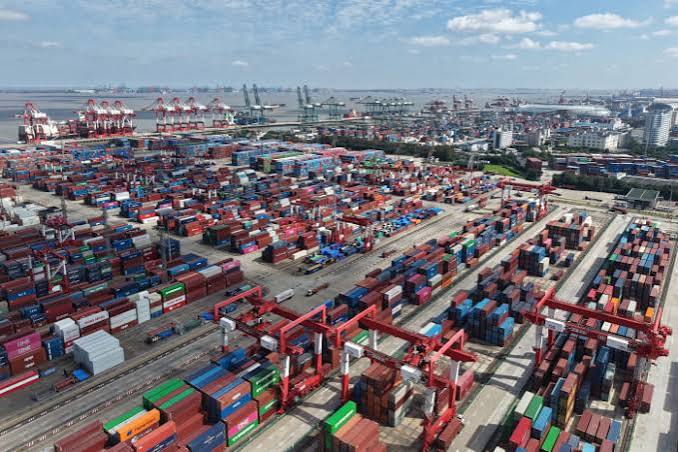
Logistics Determines Whether Resources Can Reach Markets
Even abundant resources need to move.
Trade depends on:
Ports
Rail
Pipelines
Tankers
Bulk carriers
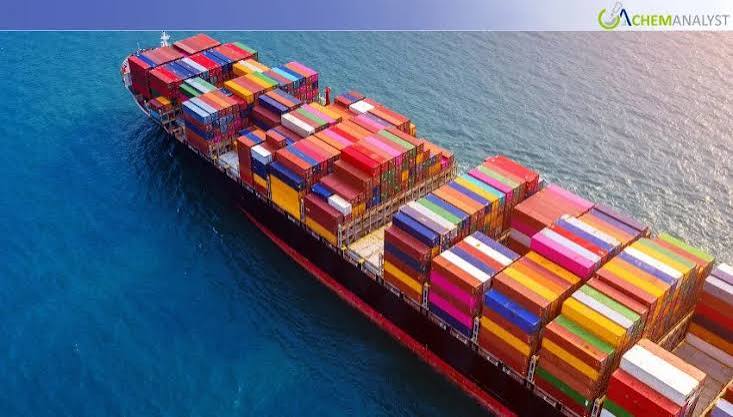
Container shipping
A resource-producing country can face export constraints if infrastructure becomes congested.
This can create regional price differences and temporary shortages.
Strategic Resources Can Reshape Shipping
When supply becomes concentrated in a small number of regions, shipping routes become strategically important.
Disruptions at:
Major ports
Canals
Straits
Rail corridors
can therefore influence resource-dependent chemical markets.
The resource itself may be available.
The problem is getting it to the customer.
Resource Access Can Influence M&A
Companies may increasingly acquire businesses partly because of their resource position.
Potential targets can provide:
Feedstock access
Mineral reserves
Processing capacity
Long-term offtake contracts
Strategic geographic locations
This can make resource security an important component of transaction valuation.
Vertical Integration Can Reduce Exposure
A chemical company may reduce resource risk by integrating upstream.
For example:
Resource → Processing → Chemical production
Vertical integration can provide:
Greater supply security
Better cost visibility
Internal feedstock access
More control over production
But it also requires significant capital.
Diversification Remains Essential
Resource security does not mean sourcing from only one "safe" country.
Overdependence on a single alternative source can simply replace one risk with another.
A stronger strategy is:
Multiple resources + multiple regions + multiple suppliers + multiple logistics routes
This creates redundancy.
Procurement Teams Should Map Resource Exposure
For strategic chemicals, buyers should understand:
1. Resource origin
Where does the underlying resource come from?
2. Processing location
Where is it refined or chemically converted?
3. Production location
Where is the final chemical manufactured?
4. Ownership
Who controls the resource and processing assets?
5. Trade policy
Are exports restricted or subject to tariffs?
6. Logistics
Which routes connect the producer to the customer?
This creates a much more useful risk map than a simple supplier list.
Resource Exposure Can Be Hidden
A chemical supplier may be based in one country while relying on feedstocks originating somewhere else.
For example:
Supplier in Europe → Feedstock imported from Middle East → Resource originating elsewhere
The apparent supplier geography therefore does not necessarily represent the actual supply-chain risk.
Procurement teams should map upstream dependencies.
What Investors Should Watch
Investors analyzing chemical companies should track:
Feedstock ownership
Resource reserves
Long-term contracts
Processing capacity
Geographic diversification
Export restrictions
Infrastructure investment
Vertical integration
These indicators can reveal structural competitive advantages that are not visible in short-term chemical pricing.
What Procurement Teams Should Watch
Procurement teams should monitor:
Resource prices
Mining and refining capacity
Government policy
Export controls
New processing projects
Infrastructure bottlenecks
Freight rates
Supplier inventory
The objective is to identify resource risks before they become chemical shortages.
Resource Access Can Create Pricing Power
A producer with secure access to scarce feedstock may have a significant advantage.
If competitors cannot easily obtain the same resource, the producer may benefit from:
Lower costs
Greater supply security
Higher utilization
Stronger margins
Greater negotiating power
This makes resource access a potential source of long-term competitive advantage.
But Resource Advantage Can Be Temporary
Technology can change resource economics.
New extraction methods can make previously uneconomic resources viable.
Recycling can reduce demand for virgin resources.
Substitution can reduce the importance of a particular material.
Synthetic alternatives can also change demand.
Therefore, resource advantage should always be evaluated against technological change.
Recycling Is Becoming a Strategic Resource
Circular-economy development is creating another form of resource access.
Recycled materials can become alternative feedstocks for:
Polymers
Metals
Solvents
Specialty chemicals
This can reduce dependence on virgin resources.
For some industries, future resource security may therefore depend partly on access to recycling infrastructure and recovered materials.
Bio-Based Feedstocks Add Another Option
Chemical producers are also exploring renewable feedstocks.
These can include:
Agricultural residues
Biomass
Vegetable oils
Sugars
Cellulosic materials
Bio-based production can diversify feedstock sources.
But it introduces other dependencies, including:
Agricultural yields
Land availability
Weather
Water
Processing capacity
Resource diversification therefore creates new risks as well as new opportunities.
The Resource Question Is Becoming Strategic Trade Policy
The central shift is that resources are increasingly being treated as strategic assets.
Trade policy is no longer focused only on finished chemicals.
Governments are increasingly concerned about:
Who controls the resources?
Who processes them?
Who manufactures the downstream products?
Who controls the logistics routes?
This is transforming resource access into a core component of industrial strategy.
Looking Ahead
Global chemical trade is entering an environment where resource access will matter almost as much as production capacity.
The most competitive producers will increasingly be those with secure access to:
Feedstocks
Minerals
Energy
Water
Processing infrastructure
Transportation
At the same time, governments are likely to continue encouraging domestic processing and diversification of strategic supply chains.
For chemical manufacturers, this could accelerate vertical integration and long-term resource partnerships.
For procurement teams, it means supplier evaluation must move further upstream.
The important question is no longer simply:
Who can supply the chemical?
It is:
Who controls the resources and infrastructure required to keep supplying it?
That distinction could become one of the most important competitive variables in global chemical trade through the rest of the decade.
Key Takeaways
Resource access is becoming a strategic variable in global chemical trade.
Oil, gas, minerals, phosphate and potash can determine downstream chemical competitiveness.
Resource ownership and processing capacity are separate sources of market power.
Governments are increasingly using trade and industrial policy to secure strategic resources.
Export controls and resource nationalism can reshape chemical supply chains.
Infrastructure, energy and water availability are essential components of resource access.
Long-term offtake agreements can provide greater supply security.
Vertical integration can reduce feedstock exposure but requires significant capital.
Recycling and bio-based feedstocks can provide additional resource diversification.
Procurement teams should map resource exposure beyond the immediate chemical supplier.
Companies with secure, diversified resource access can gain structural cost and supply advantages.
The key strategic question is increasingly who controls the resources, processing and logistics behind the chemical supply chain.

Phosphoric Acid (85%) (E338)
Found this useful?