China’s Chlor-Alkali Buildout Creates New Demand for German Engineering
China’s chlor-alkali expansion is creating a significant procurement signal for suppliers of advanced chemical processing technology. A recent order from Hongniu Lanzhou for thyssenkrupp nucera’s e-BiTAC v7 electrolysis technology highlights how chlor-alkali production in China is increasingly focused on energy efficiency, operational reliability and modern plant performance. The order falls in the low double-digit million-euro range and covers licensing, engineering, procurement services, key equipment supply and commissioning supervision.
For chemical traders, project suppliers and industrial buyers, the development matters beyond one plant. It points to continued demand for chlorine, sodium hydroxide and related chemical infrastructure while creating opportunities across equipment, raw materials, process chemicals and logistics.
Hongniu Lanzhou Order Signals a Larger Chlor-Alkali Investment Trend
Hongniu Lanzhou selected thyssenkrupp nucera’s e-BiTAC v7 technology for a large-scale chlor-alkali project in Northwest China. The project represents Hongniu Lanzhou’s entry into chlor-alkali production and marks the first contract between the company and thyssenkrupp nucera.
The technology order includes several stages of project execution rather than equipment supply alone. Licensing, engineering, procurement services, equipment delivery and commissioning supervision create a broader commercial relationship between the technology provider and the plant operator.
Hongniu Lanzhou operates as a wholly owned subsidiary of Jiangsu Hongniu and focuses on industrial waste salt recycling, chemical manufacturing, environmental technology research and technical consulting. This background also connects chlor-alkali expansion with the wider industrial push toward resource recovery and more integrated chemical production.
Why Energy Efficiency Matters in Chlor-Alkali Production
Electrolysis requires substantial electrical power, making energy consumption a major operating consideration for chlor-alkali producers. Even relatively small improvements in electricity consumption can influence production economics when plants operate at large scale.
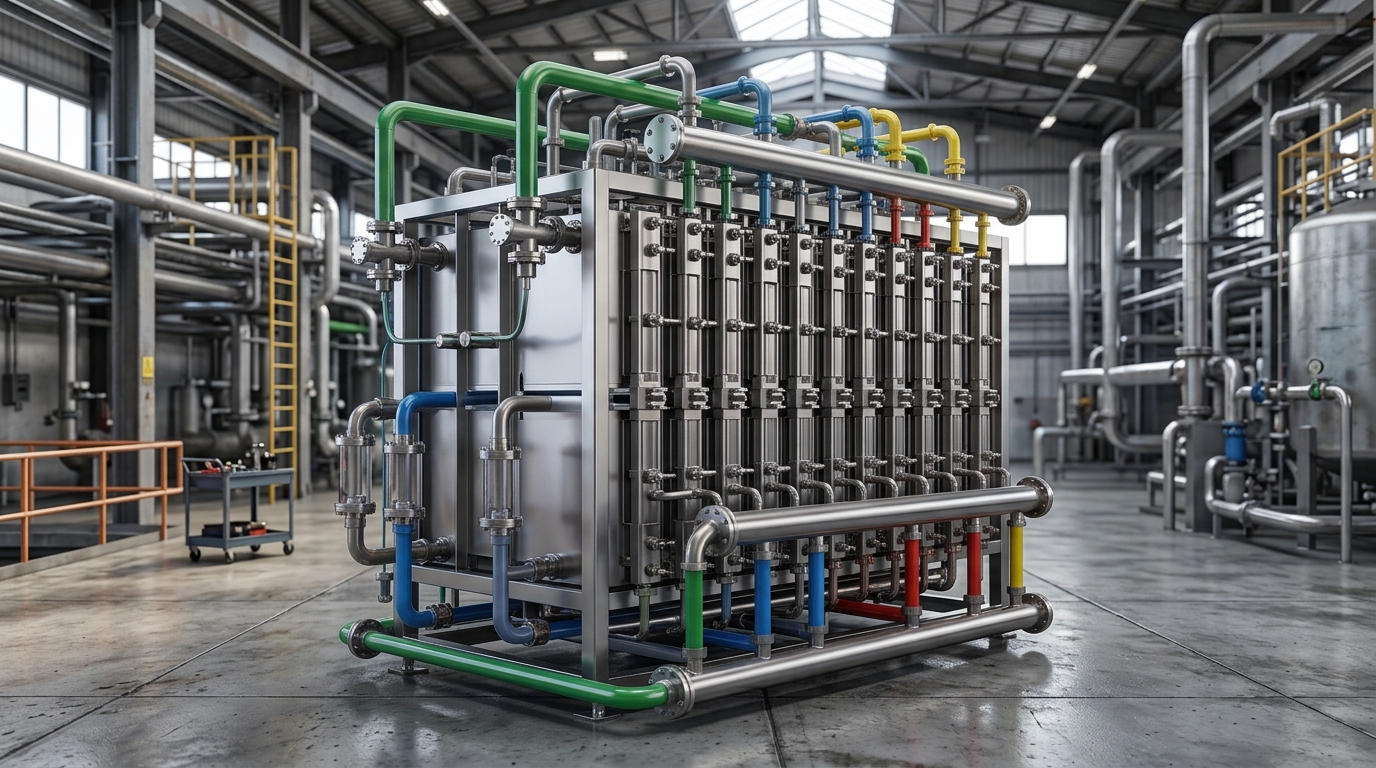
The e-BiTAC v7 system selected for the Hongniu Lanzhou project targets power consumption below 1,960 kWh per tonne of sodium hydroxide at 6 kA/m². The technology builds on the established BiTAC platform and focuses on energy efficiency, reliability and lifecycle value.
For procurement teams, this changes the way plant economics should be evaluated. Equipment price remains important, but buyers increasingly need to consider electricity requirements, maintenance expectations, operating stability and long-term production performance.
Key procurement considerations include:
Power consumption: Electricity efficiency directly affects the recurring cost of sodium hydroxide production.
Equipment reliability: Electrolysis systems must support continuous industrial operation and minimize unplanned interruptions.
Lifecycle economics: Buyers need to assess operating costs alongside initial capital expenditure.
Technical support: Engineering, commissioning and ongoing technical expertise can influence plant performance after installation.
Chlor-Alkali Demand Extends Across Multiple Chemical Value Chains
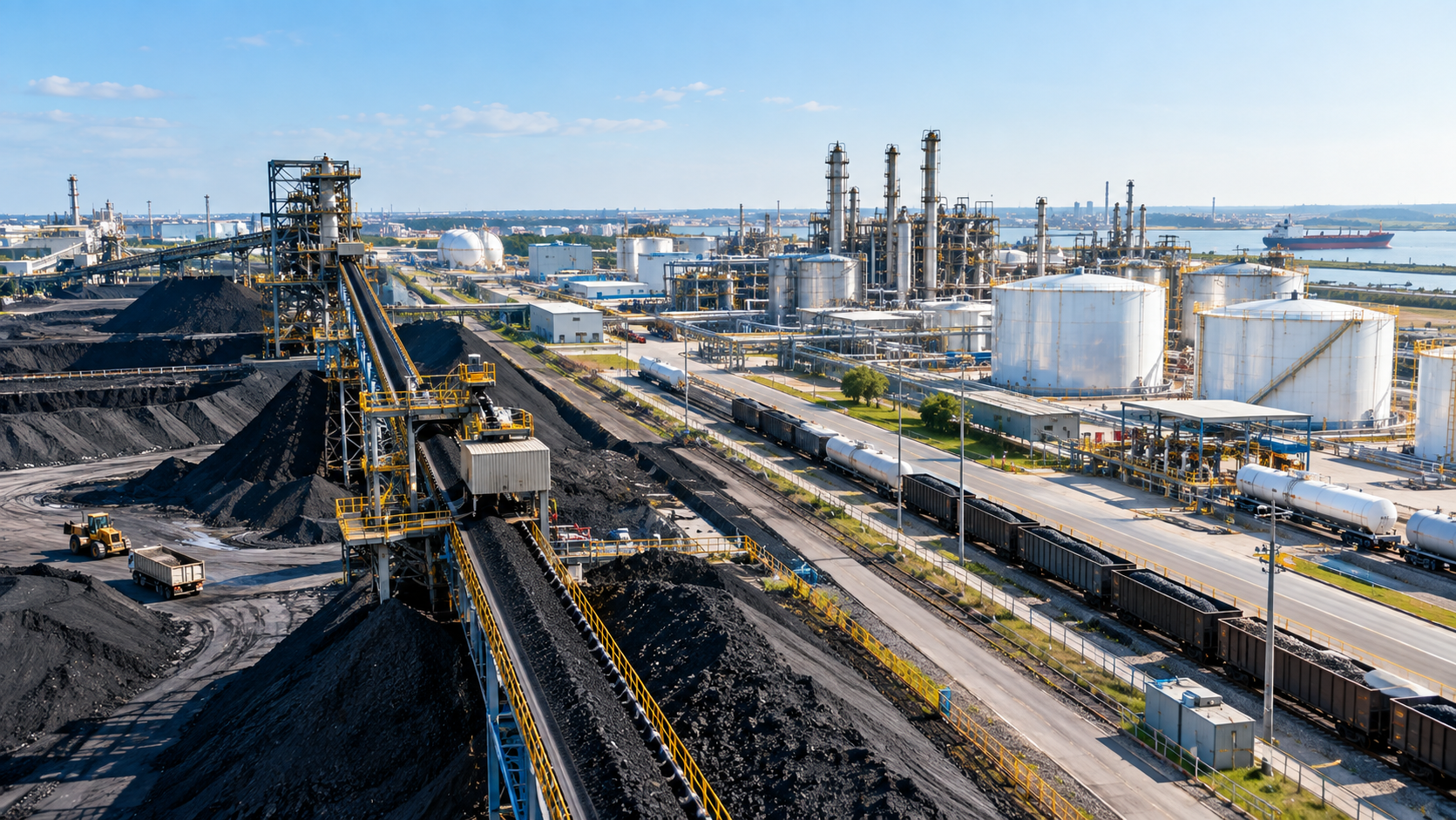
Chlor-alkali plants produce three strategically important outputs, chlorine, sodium hydroxide and hydrogen. These products feed a wide range of downstream manufacturing operations.
Sodium hydroxide, also known as caustic soda, serves industries including pulp and paper, alumina, textiles, detergents, water treatment and chemical manufacturing. Chlorine supports applications involving PVC, chlorinated intermediates, disinfectants and numerous industrial chemicals.
Hydrogen provides another potential value stream. Depending on plant configuration and local economics, producers can use it as an industrial fuel, chemical feedstock or energy input.
The interconnected nature of these products means that a new chlor-alkali project can influence several downstream markets at once. For chemical traders, this creates opportunities to monitor demand not only for caustic soda and chlorine but also for products that depend on them as feedstocks.
What China’s Buildout Means for Chemical Traders
China remains a major chemical manufacturing center, so investment in production capacity can have consequences for regional supply and purchasing patterns. Modernization and new capacity can also alter the balance between domestic production, imports and exports.
For traders, the Hongniu Lanzhou project reinforces the importance of monitoring plant construction and technology investments rather than focusing only on spot chemical prices.
A project involving advanced electrolysis technology can create commercial requirements across multiple categories:
Sodium chloride feedstock and related salt-handling infrastructure can become important inputs for chlor-alkali operations.
Caustic soda availability can influence downstream chemical buyers across Asia and other export markets.
Chlorine production can stimulate demand for downstream chlorinated chemicals and materials.
Hydrogen generation can create additional industrial gas or energy-related opportunities.
Maintenance chemicals, process equipment and replacement components can support recurring procurement after commissioning.
The commercial impact therefore extends beyond the initial technology contract. New capacity can gradually influence regional chemical flows as production ramps up.
Why German Engineering Still Matters to China’s Chemical Industry
The Hongniu Lanzhou order demonstrates that Chinese chemical expansion does not automatically mean every part of the value chain must rely on domestic technology. Specialized engineering capabilities can remain commercially attractive when they offer measurable improvements in efficiency, reliability and operating performance.
For industrial buyers, technology selection often involves more than comparing equipment specifications. A supplier must also demonstrate engineering competence, commissioning support and the ability to integrate complex electrolysis systems into a broader chemical production environment.
The scope awarded to thyssenkrupp nucera reflects this wider requirement. The contract combines technology licensing with engineering, procurement support, equipment supply and commissioning supervision.
This integrated approach can reduce coordination challenges for project owners. It also gives specialized engineering suppliers a route into markets where domestic chemical production continues to expand rapidly.
Northwest China Adds a Strategic Dimension to Sourcing
The location of the Hongniu Lanzhou project in Northwest China is commercially relevant. Chemical producers in the region can benefit from local industrial infrastructure while serving manufacturing demand across broader Chinese markets.
Northwest China also has a strong industrial and resource base, which supports large-scale chemical development. As more projects move from construction toward operation, buyers will need to evaluate regional logistics, warehouse availability, transport costs and reliable supply arrangements.
For international chemical traders, regional project activity can provide an early indicator of future purchasing requirements. Tracking projects before commissioning can help suppliers prepare inventory, establish local partnerships and assess potential export opportunities.
Procurement Priorities for New Chlor-Alkali Projects
The scale and complexity of modern chlor-alkali plants require procurement teams to assess both immediate supply needs and long-term operating requirements. Buyers should build sourcing strategies around technical specifications, delivery reliability and total cost rather than purchase price alone.
Important priorities include:
Supplier qualification: Evaluate technical capability, production capacity, quality systems and experience with industrial chemical applications.
Logistics planning: Confirm shipping routes, delivery schedules, storage requirements and contingency options before placing major orders.
Specification control: Chemical buyers should align purity, concentration, packaging and handling requirements with the intended process application.
Supply continuity: Establish alternative suppliers where a production interruption could affect downstream operations.
Lifecycle support: For plant equipment and process technology, assess commissioning services, spare parts availability and technical support.
These considerations become increasingly important as plants adopt more energy-efficient technologies and integrate multiple production streams.
The Outlook for China’s Chlor-Alkali Supply Chain
The Hongniu Lanzhou project fits a broader pattern of capacity expansion, modernization and efficiency improvement within China’s chlor-alkali sector. The market context surrounding the order includes industrial demand, capacity growth, plant modernization and stronger environmental and efficiency requirements.
The project could also establish a longer-term relationship between Hongniu Lanzhou and thyssenkrupp nucera. The order is the first contract between the two companies and may provide a foundation for additional collaboration in Northwest China.
For the wider chemical market, the most important signal is the continued emphasis on efficient production. As electricity costs, environmental requirements and operating performance become stronger considerations, chlor-alkali producers have greater incentive to evaluate technologies that can improve efficiency over the full plant lifecycle.
What Buyers Should Do Now
Chemical procurement teams should treat new chlor-alkali projects as potential indicators of future regional demand rather than isolated engineering announcements. Early visibility can help traders anticipate requirements for sodium hydroxide, chlorine-related downstream products, industrial inputs and supporting chemicals.
Buyers should also evaluate suppliers based on consistency, documentation, logistics capability and technical suitability. For large industrial customers, dependable supply can be just as important as achieving a competitive purchase price.
The Hongniu Lanzhou order shows how China’s chemical expansion can create opportunities for both specialized engineering companies and international chemical suppliers. As chlor-alkali capacity becomes more efficient and technologically advanced, procurement strategies will need to keep pace with changing production economics and regional trade flows.
Source:
ChemXplore: thyssenkrupp nucera wins chlor-alkali order from Hongniu Lanzhou
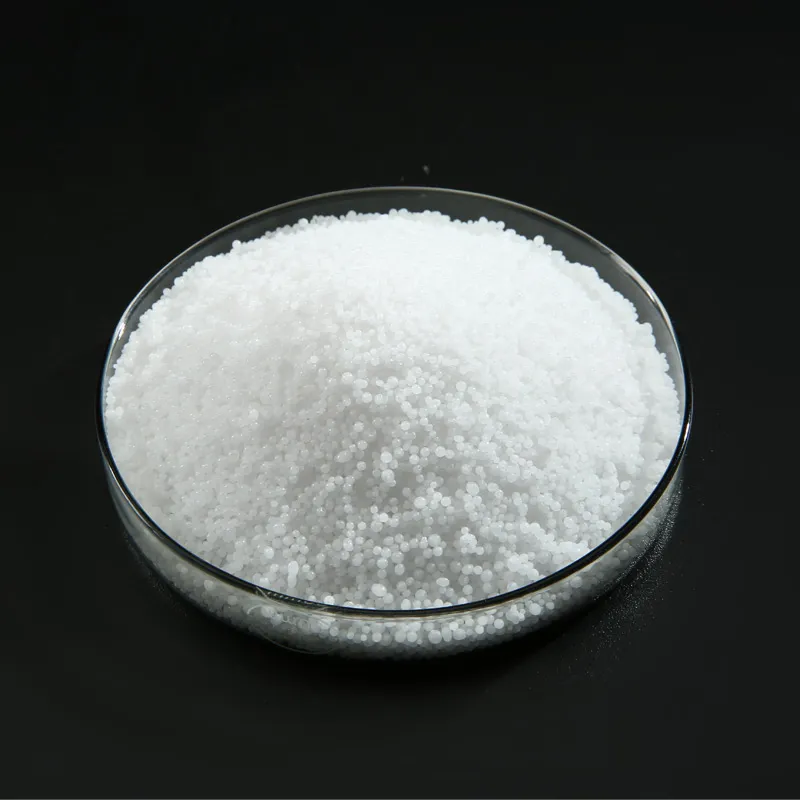
Caustic Soda Pearls - China
Found this useful?