Rhine Barge Logistics Become the Chokepoint of the Week for German Chemicals
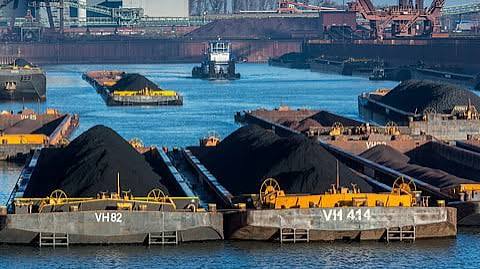
Low water levels on the Rhine River have once again disrupted Germany's chemical supply chain, restricting the movement of naphtha feedstock to major steam crackers. As one of Europe's most important inland transport corridors, the Rhine plays a critical role in supplying raw materials to Germany's petrochemical industry. Reduced river depths have limited barge loading capacity, creating logistics bottlenecks and increasing transportation costs for chemical producers.
For manufacturers, distributors, and procurement professionals, the disruption highlights how inland waterway logistics can become a critical constraint, even when feedstock availability remains sufficient.
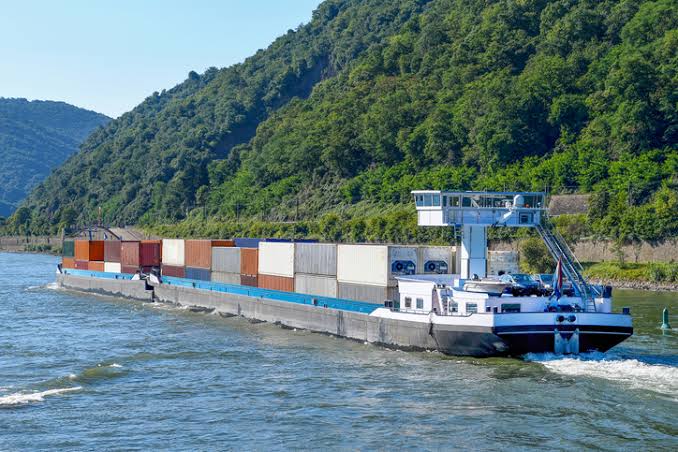
Why the Rhine River Matters
The Rhine River is the backbone of Germany's chemical logistics network, connecting ports, refineries, petrochemical complexes, and manufacturing hubs across Western Europe.
Key products transported along the Rhine include:
Naphtha
Methanol
Benzene
Toluene
Xylene
Caustic Soda
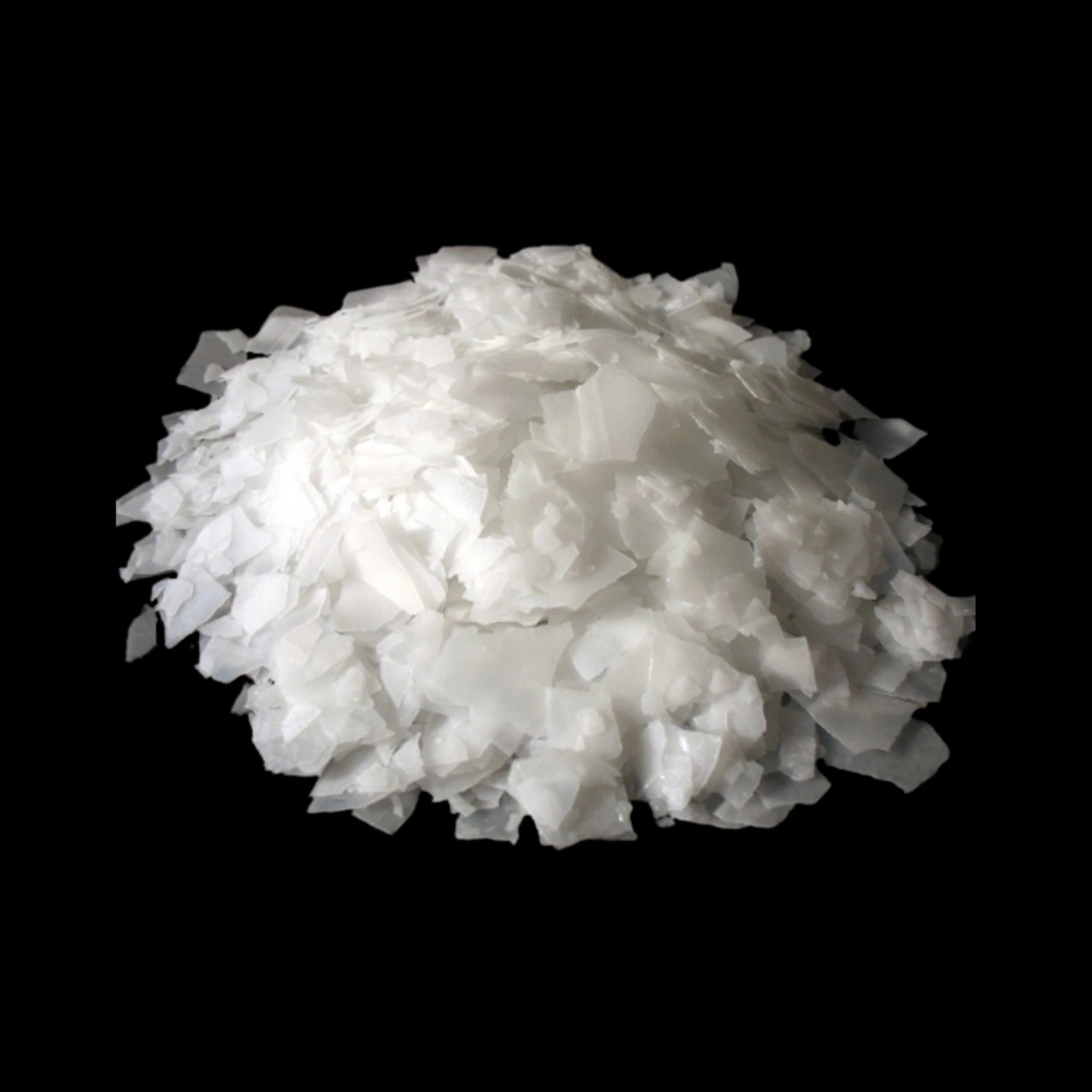
Caustic Soda Flakes
Industrial Solvents
Petrochemical Feedstocks
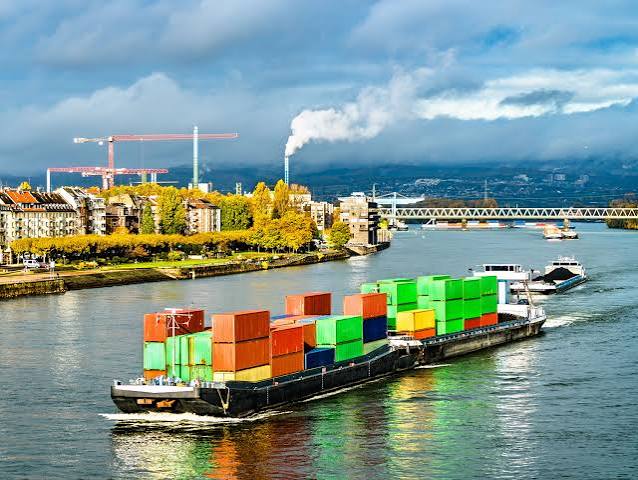
When water levels fall, barges must reduce cargo loads, increasing shipping costs and slowing deliveries to downstream manufacturers.
Market Implications
Restricted barge traffic may lead to:
Delays in naphtha deliveries to steam crackers
Higher inland transportation costs
Reduced operating efficiency for chemical plants
Increased reliance on rail and truck transport
Short-term feedstock supply constraints
Regional price volatility for petrochemical products
Although the disruption is logistical rather than production-related, prolonged low water conditions could affect manufacturing schedules across Germany and neighboring European markets.
Procurement Considerations
Procurement professionals should:
Monitor Rhine water levels and inland shipping conditions
Diversify transportation options where possible
Review supplier logistics contingency plans
Increase inventory of critical feedstocks during seasonal disruptions
Evaluate alternative sourcing locations
Track freight cost changes across inland transport networks
Building flexibility into transportation and inventory planning can reduce exposure to weather-related logistics disruptions.
Looking Ahead
Climate-related disruptions, including recurring periods of low river levels, are becoming an increasingly important consideration for Europe's chemical industry. Companies are investing in more resilient logistics strategies, including multimodal transport, improved inventory management, and diversified sourcing to reduce dependence on any single transportation route.
For procurement teams, monitoring inland logistics conditions will remain just as important as tracking commodity prices and production capacity when planning future supply strategies.
Key Takeaways
Low Rhine water levels have restricted barge transport of naphtha to German steam crackers.
Inland waterway logistics have become the primary bottleneck rather than feedstock availability.
Chemical producers may face higher transport costs and delivery delays.
Alternative transport modes may help reduce logistics risks.
Procurement teams should strengthen contingency planning for weather-related supply chain disruptions.
Found this useful?