Ten Days of Conflict: Why Regulatory Bodies May Revisit Crisis-Era Chemical Rules
Hostilities have now entered their tenth consecutive day. This prolonged escalation forces a critical reassessment of global trade policies. Regulatory bodies that recently began winding down crisis-era rules may now need to reinstate them with immediate effect. Chemical traders and procurement managers must prepare for sudden shifts in compliance requirements.
The rapid reversal of trade exemptions threatens to disrupt established supply chains overnight. Companies relying on temporary regulatory relief must audit their operations immediately. Failure to adapt exposes organizations to severe financial penalties and operational delays. Proactive compliance management is now the most critical function in chemical procurement.
The Rapid Reinstatement of Crisis-Era Trade Rules
Regulatory agencies operate on strict timelines during geopolitical escalations. Authorities previously granted temporary waivers to maintain essential chemical flows. These exemptions covered critical petrochemical feedstocks and specialized intermediates.
The tenth day of conflict triggers an automatic review of these temporary measures. Regulators will likely revoke waivers to apply maximum economic pressure. This policy pivot happens without warning and with immediate legal effect.
Chemical importers must treat every existing contract as potentially compromised. The window for proactive auditing is exceptionally narrow. International agencies typically synchronize their enforcement actions during these escalations. This coordination leaves no safe havens for non-compliant transactions.
How Regulatory Shifts Impact Chemical Supply Chains
Temporary waivers previously allowed the movement of specific commodities through restricted channels. Buyers utilized these pathways to maintain steady production schedules. The sudden removal of these waivers traps cargo in regulatory limbo.
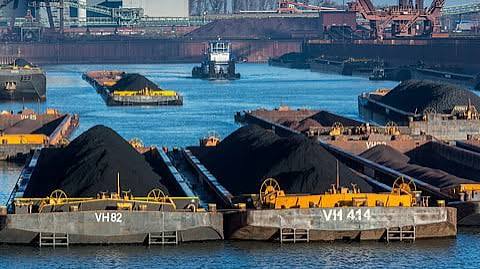
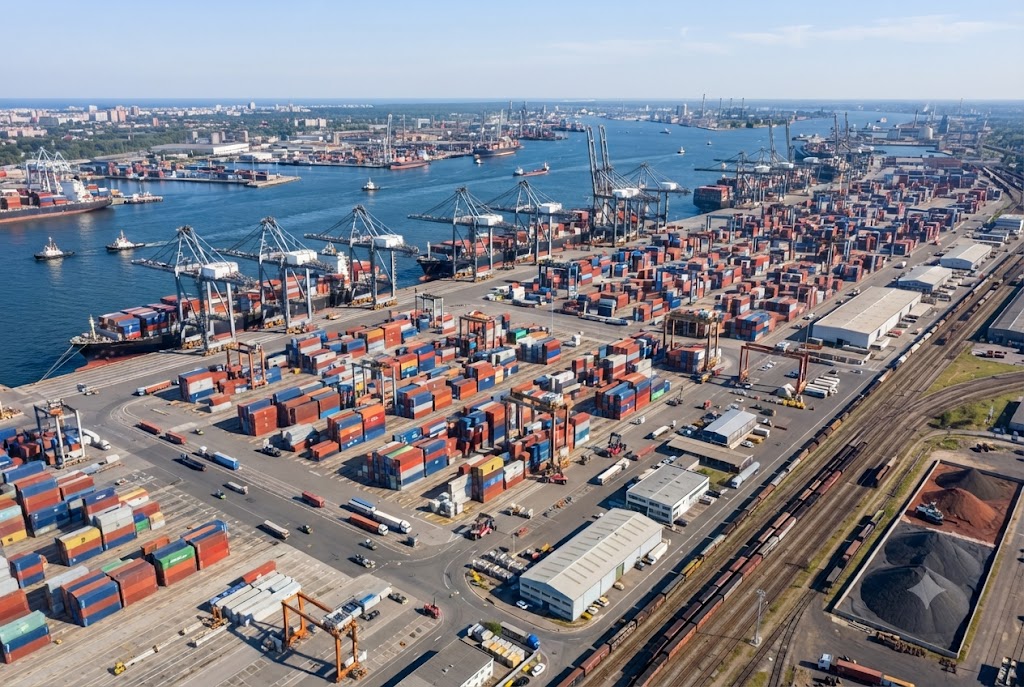
Vessels carrying previously approved materials may face immediate port seizures. Financial institutions will freeze transactions linked to newly restricted entities without warning. Specialized chemical grades face the highest risk of disruption.
Products like acrylonitrile and specific polymer additives often rely on narrow supply corridors. The loss of a waiver instantly cuts off access to these essential materials. Manufacturers must pivot to alternative specifications or face complete production halts. This transition requires rapid technical validation and updated safety data sheets.
Key Compliance Risks for Procurement Teams
Procurement professionals must recognize the specific vulnerabilities within their supply networks. The revocation of waivers introduces several immediate operational hazards.
Transaction blocking: Banks will automatically reject payments tied to revoked vendor licenses. This halts the entire procurement cycle instantly and disrupts cash flow.
Cargo detention: Customs authorities will seize shipments lacking current valid exemptions. Buyers lose both the capital and the physical inventory simultaneously.
Secondary sanctions exposure: Companies continuing to trade with newly restricted entities face severe penalties. Regulators actively pursue secondary violations with aggressive enforcement tactics.
Reputational damage: Public association with sanctioned entities harms brand value. Corporate partners may terminate relationships to protect their own compliance standing.
Auditing Your Current Vendor Network
Immediate action is the only viable response to this regulatory shift. Procurement teams must initiate a comprehensive audit of all active suppliers. This process requires verifying the current legal status of every tier-one and tier-two vendor.
Request updated compliance certificates and licensing documentation immediately. Do not rely on historical approvals or outdated paperwork. Regulatory databases update in real time during geopolitical escalations.
Cross-reference all vendor details against the latest international sanctions lists. Any match requires immediate suspension of commercial activities. Legal counsel must review all ambiguous cases before proceeding.
Implement automated compliance screening software to monitor vendor status continuously. Manual checks are insufficient for the speed of modern regulatory changes. Technology provides an essential layer of protection against human error. Furthermore, procurement leaders should mandate quarterly compliance reviews for all strategic partners. This ongoing diligence prevents sudden operational shocks when temporary waivers expire.
Navigating Contractual Force Majeure Clauses
Suppliers will inevitably invoke force majeure to escape delivery obligations. The prolonged conflict and subsequent regulatory changes provide valid legal grounds for such claims. Buyers must carefully review their existing contracts to understand their rights.
Vague contractual language often favors the seller during times of crisis. Procurement teams should demand immediate written confirmation of any force majeure declarations. This documentation is essential for activating alternative supply channels.
Negotiating new contracts requires embedding robust business continuity clauses. Buyers must secure guarantees regarding regulatory compliance and priority allocation. These protections ensure operations remain functional when competitors face total supply blackouts.
Legal teams should draft specific clauses addressing sanctions revocation. These clauses must clearly define the responsibilities of both parties when a waiver expires. Clear contractual boundaries prevent costly litigation during supply disruptions.
Strategic Sourcing Adjustments for the New Reality
Chemical buyers cannot control geopolitical conflicts or regulatory shifts. They must proactively adapt their sourcing strategies to mitigate exposure. Diversification remains the most effective defense against sudden compliance shocks.
Qualify alternative suppliers in geographically stable regions immediately. North American or European producers offer reliable alternatives to restricted derivatives. This geographic spread minimizes the impact of regional regulatory actions.
Implement flexible contract structures that share regulatory risk transparently. Hybrid pricing models prevent sudden financial shocks when geopolitical events trigger compliance bottlenecks. This approach builds long-term resilience into the procurement function.
Consider nearshoring your chemical procurement where feasible. Sourcing from neighboring countries drastically reduces cross-border regulatory complexity. This strategy eliminates exposure to international maritime sanctions entirely. Furthermore, investing in digital supply chain mapping tools provides real-time visibility. These platforms alert procurement teams to regulatory changes before they impact physical shipments. Early warning systems allow buyers to pivot suppliers before cargo gets detained at ports.
What Buyers Should Do Now
The rapid review of crisis-era rules marks a dangerous escalation in trade compliance risks. Chemical traders must treat regulatory monitoring as a core business priority. Audit your current supply chain for single-point exposure immediately.
Verify vendor licensing and transaction compliance for all active shipments. Engage suppliers in transparent discussions about their specific contingency plans. Building resilient sourcing networks requires decisive action before a crisis peaks.
The organizations that secure alternative supply routes now will maintain production continuity. Others will face severe operational and financial consequences.
Ready to source Acrylonitrile from verified global suppliers? Explore competitive offers on our platform today.

Acrylonitrile
Found this useful?