Rhine Disruption Adds a New Variable to European Fertilizer Feedstock Logistics
Rhine Disruption Adds a New Variable to European Fertilizer Feedstock Logistics
Introduction
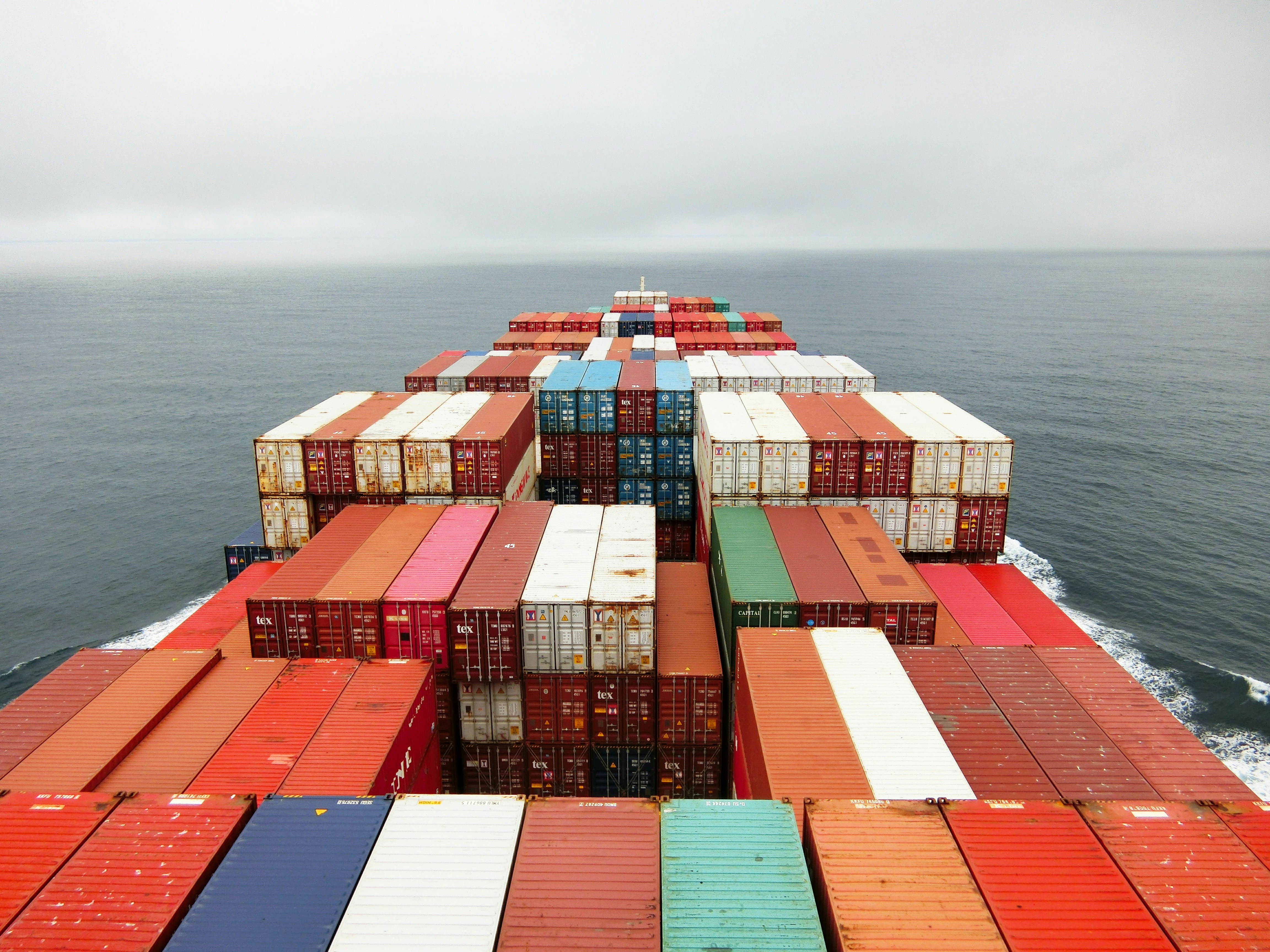
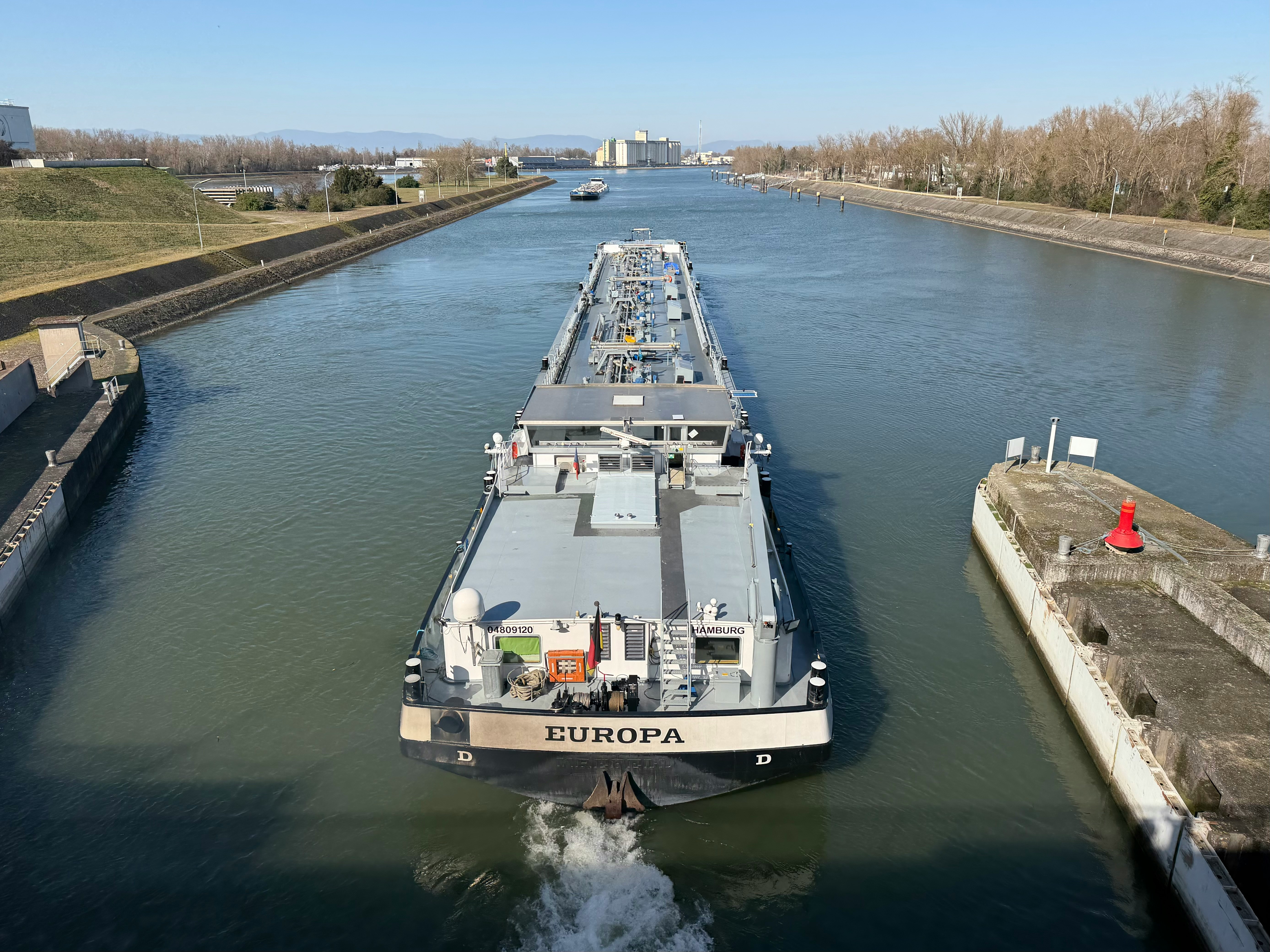
Disruptions along the Rhine River are emerging as a significant challenge for Europe's fertilizer supply chain, adding a new layer of complexity to feedstock transportation and procurement. As one of Europe's most important inland waterways, the Rhine serves as a vital logistics corridor for moving bulk commodities, including sulphur, ammonia, phosphates, potash, and industrial chemicals used in fertilizer production.
Periods of low water levels, weather-related disruptions, and transportation constraints have reduced barge carrying capacity, increased freight costs, and created delivery delays. For fertilizer manufacturers and procurement teams, these developments highlight the growing importance of logistics resilience alongside raw material sourcing.
Why the Rhine River Is Critical for Fertilizer Logistics
The Rhine connects major industrial regions in Germany, Switzerland, France, and the Netherlands, supporting the movement of millions of tonnes of bulk cargo each year.
Key fertilizer-related products transported along the Rhine include:
Sulphur
Sulphuric acid
Ammonia
Phosphate rock
Potash
Industrial chemicals
Fertilizer intermediates
The river links inland production facilities with major seaports such as Rotterdam, making it an essential transportation route for Europe's chemical and fertilizer industries.
How Rhine Disruptions Affect Feedstock Supply
When water levels fall or navigation becomes restricted, logistics operations face several challenges.
Reduced Barge Capacity
Lower water levels force barges to operate with lighter loads, increasing the number of shipments required to transport the same volume of materials.
Higher Transportation Costs
Reduced cargo capacity raises inland freight rates, increasing the landed cost of fertilizer feedstocks.
Delivery Delays
Slower transportation schedules can interrupt the timely supply of raw materials to fertilizer manufacturing facilities.
Increased Supply Chain Uncertainty
Manufacturers may need to adjust production schedules or source alternative transportation methods to maintain operations.
Impact on European Fertilizer Production
Logistics disruptions on the Rhine influence fertilizer production beyond transportation alone.
Key impacts include:
Higher Manufacturing Costs
Rising inland freight expenses increase the overall cost of transporting feedstocks to production facilities.
Procurement Challenges
Procurement teams must manage uncertain delivery schedules while securing sufficient inventories of critical raw materials.
Inventory Pressure
Manufacturers may increase safety stock levels to reduce the risk of production interruptions, resulting in higher storage and working capital costs.
Production Planning Risks
Unexpected transportation delays can affect production schedules and product availability during peak agricultural demand periods.
Procurement Strategies to Improve Supply Chain Resilience
Companies can reduce the impact of Rhine logistics disruptions by adopting more flexible procurement and transportation strategies.
Diversify Transportation Modes
Combining barge transport with rail and road logistics helps reduce dependence on a single transportation corridor.
Strengthen Supplier Networks
Working with suppliers across multiple geographic regions improves sourcing flexibility during transportation disruptions.
Improve Inventory Management
Strategic inventory planning helps maintain production continuity while minimizing unnecessary stockholding costs.
Monitor Logistics Intelligence
Real-time monitoring of river conditions, freight markets, and transportation capacity enables faster operational decisions.
Optimize Landed Cost Analysis
Procurement decisions should consider transportation costs, storage expenses, transit reliability, and supply chain risks—not simply purchase price.
Long-Term Implications for the Fertilizer Industry
Climate variability, changing weather patterns, and infrastructure pressures are increasing the importance of logistics resilience across Europe. Fertilizer manufacturers are likely to invest more heavily in diversified transportation networks, digital supply chain monitoring, and risk-based procurement planning.
Organizations that integrate logistics intelligence with procurement decision-making will be better prepared to manage future disruptions while maintaining production efficiency and customer service.
Outlook
Although Rhine transportation conditions may improve as seasonal water levels recover, logistics volatility is expected to remain an important consideration for European fertilizer producers. Businesses should continue monitoring freight markets, inland waterway conditions, and alternative transport options to strengthen operational resilience.
Companies that proactively diversify sourcing, improve supply chain visibility, and optimize transportation planning will be better positioned to navigate evolving logistics challenges.
Conclusion
Rhine River disruptions have introduced a new variable into European fertilizer feedstock logistics by increasing transportation costs, reducing shipping efficiency, and creating greater supply chain uncertainty. As fertilizer manufacturers continue to face changing market conditions, resilient logistics strategies have become just as important as securing reliable raw material supplies.
By investing in diversified transportation networks, enhanced procurement planning, and real-time logistics monitoring, companies can better manage operational risks, control costs, and maintain stable fertilizer production despite ongoing infrastructure and environmental challenges.

Aspartame (E951)
Found this useful?