
Rising Cracking Margins Follow Middle East Supply Disruption Trends
Rising cracking margins are becoming another expression of the Middle East supply disruption reshaping petrochemical markets. The same reduction in available regional production that is supporting polymer sales at Dow and LyondellBasell is also strengthening the economics of cracking operations more broadly.
For chemical traders and procurement teams, this creates an important link between upstream processing economics and downstream polymer availability. As damaged Middle East capacity reduces the amount of material moving through global supply chains, tighter operating rates can improve margins for producers that retain access to feedstock and functioning assets.
The result is a market where cracking economics, polymer pricing and supply security increasingly reinforce one another.
Why Middle East Supply Tightness Matters for Cracking Margins
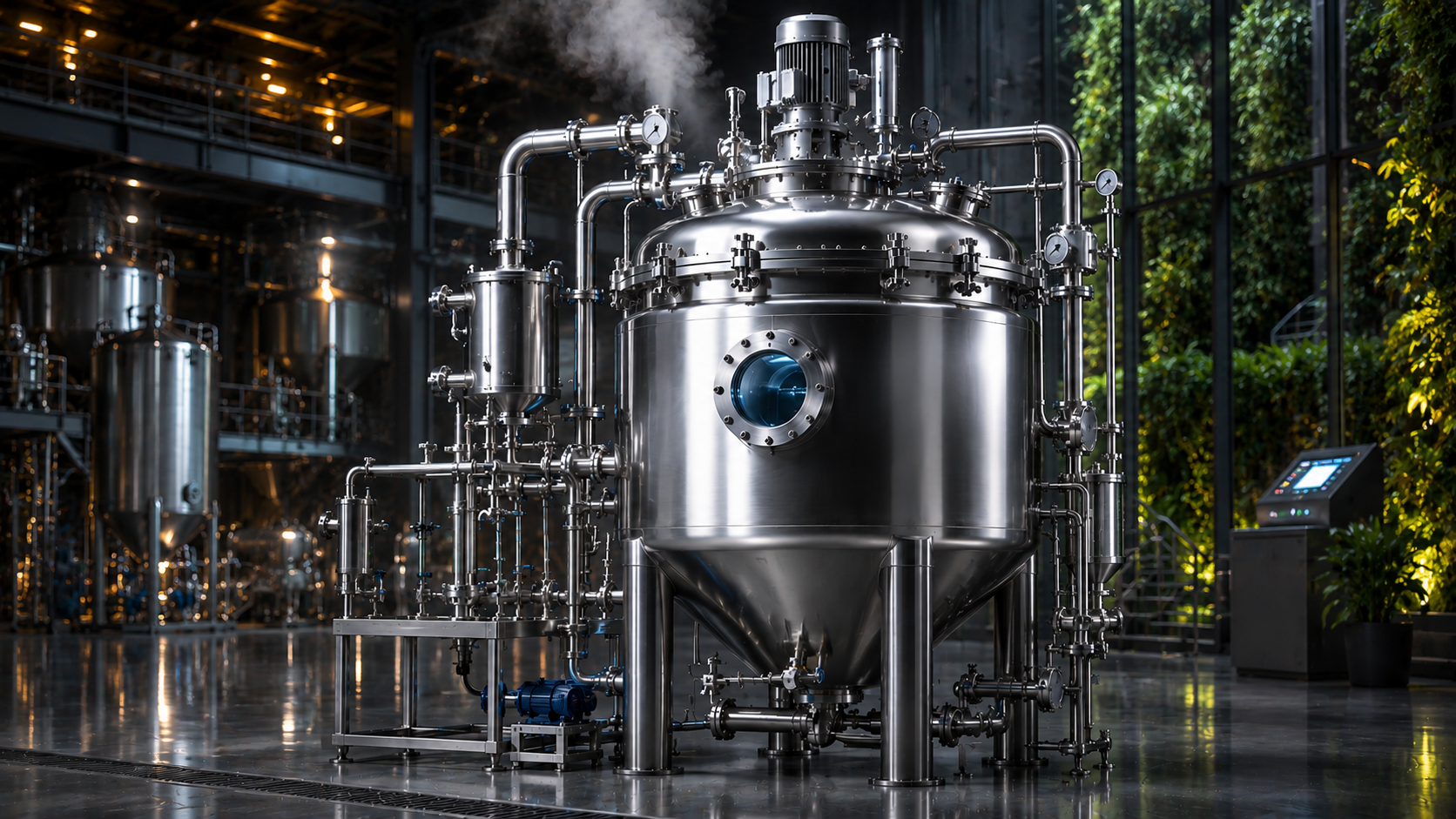
Crackers sit near the center of the petrochemical value chain. They convert hydrocarbon feedstocks into key building blocks such as ethylene and propylene, which then move into plastics, solvents, fibers, coatings and numerous other chemical applications.
When a major production base suffers disruption, the impact can extend well beyond individual plants. Reduced regional output can remove feedstock and derivative volumes from international trade flows, forcing buyers to compete for replacement material from other production centers.
That shift can improve economics for operating crackers in regions that still have reliable feedstock access. Producers may face stronger product realizations while global buyers encounter fewer alternatives.
Several market effects can therefore appear at the same time:
Lower available capacity: Damaged or constrained facilities reduce the amount of petrochemical output entering international markets.
Tighter utilization: Producers outside the affected region may increase operating rates to compensate for missing supply.
Improved margins: Stronger product values relative to feedstock costs can support cracking economics.
Downstream support: Better upstream economics can strengthen the supply position and commercial performance of polymer producers.
This creates a direct connection between Middle East disruption and the broader profitability of petrochemical assets.
How Capacity Utilization Is Changing the Market Balance
Global petrochemical markets have spent considerable time dealing with excess capacity and challenging operating economics. Additional supply has often limited producer pricing power, particularly when downstream demand failed to absorb new production quickly.
A disruption that removes part of the global production base can temporarily change that equation. With fewer available tonnes, the remaining capacity becomes more strategically important to regional buyers and international traders.
Higher utilization can also alter producer behavior. Plants that previously operated at reduced rates may find stronger economic incentives to run harder when market prices improve relative to feedstock and operating costs.
For procurement teams, this means capacity utilization deserves more attention than simply tracking published polymer prices. A tighter operating environment can signal that replacement supply will become progressively more expensive if the disruption persists.
Polymer Sales and Cracking Economics Are Closely Connected
The stronger polymer sales environment reported by Dow and LyondellBasell fits into the same supply logic affecting cracking margins. When upstream capacity becomes constrained, the availability of polymer feedstocks and finished materials can tighten at different points across the value chain.
This matters because polymer producers do not operate independently of cracker economics. Their ability to secure ethylene, propylene and other essential intermediates influences production decisions, inventory management and commercial offers.
The interaction can become particularly important when several markets tighten simultaneously. A disruption upstream can raise the value of available feedstock while downstream buyers compete for finished polymers.
For chemical traders, this can create opportunities as well as risks. Suppliers with diversified sourcing may gain negotiating strength, while buyers dependent on a narrow origin base could face sharper replacement costs.
What Rising Cracking Margins Mean for Chemical Traders
Improving cracking margins can change trade flows as producers reassess where to place available volumes. When one region loses production capacity, other exporters may become more competitive as international buyers search for replacement cargoes.
Traders should therefore monitor both producer economics and physical availability. A margin improvement does not automatically guarantee abundant product, particularly when producers use stronger economics to increase operating rates while domestic and export demand also rises.
Key signals include:
Regional production restarts and maintenance schedules can determine how quickly missing Middle East volumes return.
Freight availability can influence whether alternative supply reaches affected buyers at commercially viable costs.
Feedstock movements can indicate whether crackers have enough economic incentive to sustain higher utilization.
Polymer producer operating rates can provide clues about downstream demand for key cracker products.
Inventory levels can reveal whether market tightness reflects genuine supply constraints or short-term purchasing activity.
These indicators can help traders distinguish a temporary price response from a broader change in market fundamentals.
Regional Supply Shifts Could Reshape Procurement Strategies
The Middle East has a major role in global petrochemical supply, making disruptions in the region relevant to buyers far beyond its immediate geography. When regional capacity falls, procurement teams often need to look toward Asia, Europe, North America or other production centers for replacement material.
That diversification can carry additional costs. Longer freight routes, different product specifications, payment requirements and shipment schedules can all affect the final delivered economics.
Procurement managers should evaluate suppliers based on more than headline pricing. A lower quoted price may lose its advantage once freight, insurance, lead times and supply reliability enter the calculation.
A more resilient sourcing strategy can include:
Maintaining relationships with suppliers across multiple producing regions.
Reviewing alternative grades and specifications before a disruption occurs.
Monitoring producer maintenance and restart announcements.
Comparing delivered costs rather than relying on ex-plant or FOB indications alone.
Building sufficient flexibility into purchasing schedules to respond to sudden supply changes.
The objective is not simply to secure the lowest offer. It is to preserve access to material when market conditions change quickly.
Why Polymer Buyers Should Watch Upstream Cracker Signals
Polymer buyers often focus on resin inventories, producer offers and downstream demand. Those indicators remain important, but cracker economics can provide an earlier view of the pressure developing underneath the polymer market.
If cracking margins strengthen because available production has tightened, producers may have greater incentive to maximize output. That can eventually improve supply for downstream customers if operating assets can compensate for the lost regional production.
However, the adjustment process takes time. Logistics constraints, maintenance requirements and feedstock availability can limit how quickly additional production reaches the market.
This creates a timing issue for procurement teams. Waiting for visible polymer shortages before securing supply can expose buyers to higher replacement costs, while purchasing too aggressively during a temporary disruption can increase inventory risk.
Supply Disruption Could Keep Margin Support in Focus
The durability of rising cracking margins will depend heavily on how the damaged Middle East production base affects global capacity utilization. If substantial capacity remains unavailable, producers elsewhere may continue to benefit from tighter market balances.
A prolonged disruption could also encourage buyers to establish alternative supply relationships. Once those trade flows develop, some volumes may continue moving through new routes even after Middle East production recovers.
For traders, this can create a more complex market structure. Regional price differences may widen as buyers assign different values to availability, freight exposure and supply certainty.
The market could therefore move beyond a simple shortage narrative. Instead, participants may increasingly price petrochemical materials according to the reliability of the production and logistics network behind each cargo.
What Procurement Teams Should Monitor Through 2026 and Beyond
Procurement decisions will require closer coordination between market intelligence and purchasing activity. Cracking margins provide one useful indicator because they connect feedstock costs with the value of the petrochemical products produced from those feedstocks.
Teams buying polymers or related chemicals should track:
Middle East capacity availability: Restarts can quickly change the regional and global balance.
Global utilization rates: Higher utilization can indicate that producers are responding to tighter supply.
Feedstock economics: Changes in hydrocarbon costs can alter the attractiveness of running crackers.
Polymer producer behavior: Sales activity, operating rates and allocation policies can reveal downstream pressure.
Alternative origin economics: Replacement supply needs evaluation on a delivered-cost basis.
Freight conditions: Shipping costs can determine whether alternative production centers remain commercially competitive.
Combining these signals can give buyers a clearer view of where supply pressure may emerge next.
The Bottom Line for Petrochemical Buyers
Rising cracking margins are not an isolated upstream development. They reflect the same Middle East supply disruption that is tightening global capacity and supporting the economics of polymer producers such as Dow and LyondellBasell.
For chemical traders, the key implication is the stronger connection between upstream processing margins and downstream purchasing conditions. As global utilization tightens around the damaged Middle East production base, the value of reliable supply can rise alongside product prices.
Procurement teams that monitor cracker economics, production availability, freight conditions and polymer supply together will be better positioned to identify emerging risks before they appear in spot offers. The immediate priority should be flexibility, diversified sourcing and a clear understanding of delivered replacement costs.
Ready to source Propylene Oxide from verified global suppliers? Explore competitive offers on our platform today.
Propylene Oxide
Found this useful?