Roche Vabysmo Real-World Data Drives Demand for Biopharma Excipients
Roche and Genentech recently released compelling real-world data confirming the clinical effectiveness of Vabysmo across three major eye diseases. The VOYAGER study demonstrated significant vision gains and reduced retinal fluid in patients with wet AMD, DME and RVO during routine clinical practice. This robust clinical performance directly accelerates global demand for high-purity biopharmaceutical excipients and formulation buffers.
Procurement managers and chemical traders must recognize the profound supply chain implications of this sustained biologics growth. The pharmaceutical sector requires massive volumes of specialized chemical inputs to meet this surging production target. Industry buyers should prepare for a highly competitive sourcing environment as manufacturers scale up bispecific antibody production.
Securing reliable supply chains for these critical chemical inputs ranks as a top strategic priority for pharmaceutical manufacturers worldwide. Early engagement with these new supply streams ensures operational continuity and strict brand compliance. The transition toward complex biologic therapies represents a fundamental restructuring of the global chemical supply chain. Buyers who fail to adapt risk severe supply disruptions in the coming decade.
Clinical Success Drives Biopharmaceutical Excipient Demand
The VOYAGER study provides definitive proof of sustained visual benefits in routine clinical settings. Reducing retinal fluid and improving vision across multiple indications positions faricimab as a cornerstone therapy for retinal diseases. This expanded therapeutic utility will dramatically increase prescription volumes globally.
Pharmaceutical manufacturers must immediately scale their active pharmaceutical ingredient production to meet this new demand. The formulation of complex bispecific antibodies requires highly specialized chemical building blocks. Procurement teams will face intense pressure to secure consistent supplies of advanced organic intermediates and excipients.
High-purity buffers and stabilizers are essential for maintaining protein integrity during storage and delivery. Buyers must verify excipient quality to maintain strict regulatory compliance and ensure patient safety. The shift toward complex biologic delivery mechanisms introduces new demands for precise formulation chemistry reagents.
Supply Chain Bottlenecks in Bispecific Antibody Manufacturing
The rapid expansion of biologic receptor agonist production exposes critical vulnerabilities in the global chemical supply chain. Manufacturing these complex molecules requires multi-step synthetic and purification processes with stringent quality controls. Any disruption in the supply of key reagents can halt entire production batches and delay market delivery.
Geopolitical tensions and trade restrictions frequently impact the availability of specialized chemical precursors. Many critical formulation reagents originate from a limited number of global manufacturing hubs. Procurement managers must diversify their supplier networks to mitigate these geographic and political risks.
Transportation of temperature-sensitive chemical reagents adds another layer of operational complexity. Logistics providers must maintain strict environmental controls to preserve reagent stability during transit. Buyers should factor these specialized shipping requirements into their total landed cost calculations to avoid budget overruns.
Quality Assurance and Regulatory Compliance for Pharma Inputs
Pharmaceutical chemical procurement demands uncompromising adherence to international quality standards. Regulatory agencies require comprehensive documentation for every chemical input used in active pharmaceutical ingredient manufacturing. Suppliers must provide detailed certificates of analysis and full traceability for all shipped materials.
Strict auditing protocols apply heavily to pharmaceutical supply chains to ensure patient safety. Independent auditors verify that all chemical inputs meet pharmacopeial standards before they enter the production facility. Failure to maintain rigorous quality control can result in batch rejection and severe financial penalties.
Buyers must conduct regular on-site audits of their chemical suppliers. These inspections verify manufacturing capabilities and robust quality management systems.
Change control notifications are mandatory for any alterations in the synthesis process of supplied reagents. Procurement teams must evaluate the impact of these changes on their final product quality.
Environmental regulations increasingly dictate the disposal methods for chemical waste generated during biologic synthesis. Suppliers must demonstrate compliant waste management practices to maintain their approved vendor status.
The Role of Specialized Buffers and Stabilizers
Active pharmaceutical ingredients require specialized solvents and buffers to ensure high yield and purity during formulation. The delivery of complex antibodies relies on precise chemical environments to prevent protein aggregation. Procurement teams must source these processing chemicals with the same rigor applied to the active ingredient.
Supply disruptions for critical buffers can delay the entire manufacturing timeline. Manufacturers are increasingly seeking suppliers who can provide both the active intermediates and the necessary processing chemicals. This consolidated sourcing approach simplifies quality assurance and reduces logistical complexity.
Reaction buffers maintain the precise pH required for optimal protein stability. Suppliers must demonstrate strict control over buffer composition and moisture content.
Stabilizers prevent the degradation of the antibody molecule under various temperature conditions. Buyers should request detailed purity specifications and accelerated stability data from their chemical vendors.
Global health authorities strictly monitor regulatory compliance for purification agents. These agents ensure the final molecule remains free from toxic byproducts and host cell proteins.
Market Outlook for Biopharma Formulation Chemicals
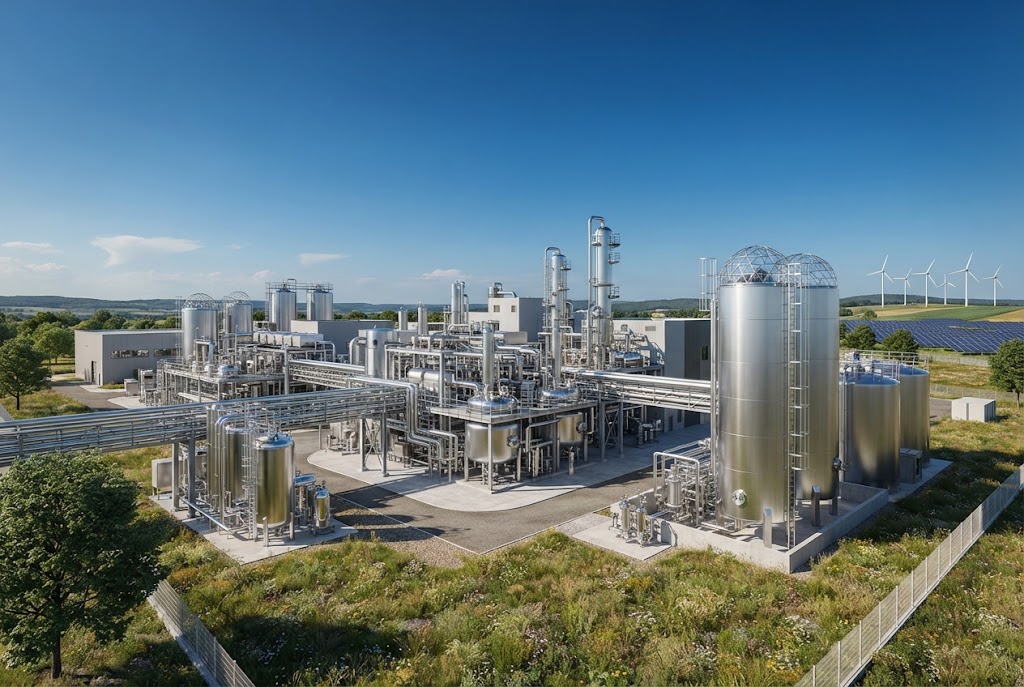
The global market for biopharmaceutical formulation reagents is entering a period of unprecedented growth. Industry analysts project compound annual growth rates exceeding ten percent over the next five years. This massive expansion is driven almost entirely by the commercial success of next-generation ocular and metabolic therapies.
Chemical traders who specialize in high-purity pharmaceutical intermediates will capture significant market share. Early movers who establish long-term supply agreements with major biologic manufacturers will secure a distinct competitive advantage. The window for securing favorable pricing on critical reagents is closing rapidly as demand outpaces supply.
Technological advancements in continuous manufacturing may eventually alter reagent consumption patterns. However batch formulation will remain the dominant production method for the foreseeable future. Buyers must prepare for sustained high demand for traditional organic synthesis reagents and plan their budgets accordingly. Strategic inventory planning is now a non-negotiable component of pharmaceutical procurement.
Strategic Sourcing Recommendations for Procurement Teams
Procurement managers must adopt a proactive and diversified sourcing strategy immediately. Relying on a single supplier for critical pharmaceutical reagents introduces unacceptable operational risk to the manufacturing process. Companies should qualify multiple vendors across different geographic regions to ensure uninterrupted supply continuity.
This geographic diversification acts as a critical buffer against regional disruptions. Long-term contracts with volume flexibility clauses provide the best protection against market volatility. These agreements guarantee baseline supply while allowing manufacturers to scale orders based on actual production needs.
Negotiating favorable payment terms can also improve working capital management during periods of rapid business expansion. Investing in robust supplier relationship management yields significant long-term operational benefits. Collaborative partnerships encourage suppliers to prioritize your orders during periods of global shortage. Regular communication ensures both parties remain aligned on quality expectations and delivery schedules.
The Bottom Line for Pharmaceutical Chemical Buyers
The clinical success of Vabysmo in treating multiple eye diseases guarantees sustained growth in biologic production. This therapeutic expansion places immense pressure on the global supply chain for specialized formulation buffers and excipients. Chemical traders and procurement managers must act decisively to secure reliable sources of high-purity chemical inputs.
Evaluating current vendor portfolios for quality, reliability and geographic diversity is an urgent priority. Proactive engagement with specialized chemical suppliers will prevent costly production delays and protect market share. The companies that build resilient supply chains today will dominate the pharmaceutical market tomorrow.
Ready to source Monosodium glutamate from verified global suppliers? Explore competitive offers on our platform today.
Source:
https://chemxplore.com/news/vabysmo-real-world-effectiveness-euretina
https://chemxplore.com/news/genentech-vabysmo-real-world-data-euretina

Monosodium Glutamate (E621)
Found this useful?