

Role of Citric Acid in Pharmaceutical Formulations and Drug Development
Role of Citric Acid in Pharmaceutical Formulations and Drug Development
Why Citric Acid Is One of the Most Versatile Pharmaceutical Excipients
From effervescent analgesics and oral antibiotic syrups to lyophilised biologics and blood collection anticoagulant solutions, citric acid (C6H8O7) is one of the most versatile excipients in modern pharmaceutical formulation. Citric acid monohydrate, a tricarboxylic acid naturally found in citrus fruits, is a widely utilized excipient in the pharmaceutical industry, and this document provides detailed application notes for its use as a pH modifier, buffering agent, chelating agent, and a key component in effervescent systems. Pharmaceutical Grade Citric Acid is a highly purified organic acid meeting stringent pharmacopoeial standards (USP/EP/JP) for use as an excipient, buffering agent, and preservative in drug formulations, and it serves critical functions in tablet coatings, effervescent preparations, and parenteral solutions while ensuring pH stability. As an essential pH adjuster, preservative, and stabilizer in drug formulations, citric acid plays a critical role across multiple therapeutic categories, which is why its demand is driven by the rising prevalence of chronic diseases that necessitate development of new therapeutic drugs.
pH Control, Buffering and Drug Stability
pH Adjustment and Buffering in Liquids and Parenterals
Citric acid monohydrate is a widely used excipient in pharmaceutical formulations for maintaining the pH of solutions, which can significantly impact drug stability and bioavailability, and pH adjustment and buffering is used to control the pH of solutions, ensuring stability and efficacy. In pharmaceutical formulations, citric acid serves as a key ingredient acting as a pH stabilizer and enhancer for drug solubility and efficacy, and in parenteral drugs, citrate buffer systems, typically citric acid with sodium citrate, maintain pH between 3.0 and 6.5, preventing degradation of acid-labile APIs and ensuring that injectables remain within the physiological tolerance range. Without this buffering, many APIs would hydrolyse, oxidise, or precipitate during storage, leading to loss of potency and formation of impurities that could cause adverse reactions, which is why formulators validate buffer capacity, ionic strength, and pH drift over the full stability period.
Chelation, Antioxidant Synergy and Preservative Enhancement
Citric acid has been strategically employed in pharmaceutical development to stabilize challenging compounds through multiple mechanisms, including pH modification, crystal habit modification, and potential molecular complex formation, and for poorly soluble drugs like ortataxel, integration of citric acid provides a robust methodology for enhancing both stability and bioavailability. As a chelating agent, citric acid binds trace metal ions such as iron and copper that catalyse oxidation, thereby enhancing the effect of antioxidants like ascorbic acid and sodium metabisulfite, and improving the efficacy of preservatives by lowering pH to a range where benzoic acid and parabens are most active. Industrial Grade Citric Acid CAS 77-92-9 serves as an exceptional stabilizing agent in pharmaceutical formulations, significantly extending shelf life of medications, and this chelation effect is particularly important in liquid formulations, ophthalmic solutions, and biologics where metal-catalysed degradation is a major failure mode.

Effervescent Systems, Taste Masking and Patient Compliance
Effervescent Tablets and Flavour Enhancement
Citric acid's tart taste helps to mask the unpleasant taste of some APIs, and flavour enhancer and acidulant functions are essential for pediatric and geriatric formulations where compliance depends on palatability. In effervescent analgesics, citric acid reacts with sodium bicarbonate to release carbon dioxide on contact with water, creating a rapidly dissolving, pleasant-tasting solution that improves absorption speed and patient experience, and the same reaction is used in effervescent granules, soluble tablets, and antacid preparations. This effervescent action also improves dissolution of poorly soluble APIs by creating an acidic microenvironment and agitation in the glass, which can lead to faster onset of action for pain relief and cold remedies compared to conventional tablets.
Oral Protein and Peptide Formulations
Citric acid is used in oral protein and peptide formulations as it inhibits proteolysis, and the presence of citric acid keeps the pH low enough to inhibit activity of proteolytic enzymes so they cannot degrade protein or peptide APIs, facilitating better absorption. For example, the enteric-coated tablet TBRIA, which contains citric acid, is an oral formulation of salmon calcitonin used in treatment of postmenopausal osteoporosis, and this example shows how citric acid can enable oral delivery of a drug that would otherwise require injection. This review emphasizes pharmaceutical uses of citric acid as a strategic ingredient in drug formulation while focusing on impact of its physicochemical properties, and it highlights that citric acid is not just an acidulant, but a functional excipient that can protect biologics, enhance permeation, and enable new routes of administration.
Lyophilisation, Biologics and Injectable Formulations
Lyophilisation of Biologics and Labile APIs
Lyophilisation, or freeze-drying, of biologics and labile APIs is one of the most demanding applications for citric acid, where citrate buffer provides pH stability during freezing and drying, prevents collapse of the cake, and protects proteins from denaturation. In lyophilised biologics, citric acid works with bulking agents like mannitol and stabilizers like sucrose to form an amorphous glass that immobilises the protein and prevents aggregation, and the buffer capacity must be carefully optimised because pH can shift dramatically during freezing as citrate crystallises. Industrial Grade Citric Acid CAS 77-92-9 is essential in development of pharmaceutical liquid and injectable formulations, and in blood collection, citrate acts as an anticoagulant by chelating calcium, allowing blood samples to be stored for testing without clotting.
Future Role in Drug Development
The strategic implementation of citric acid stabilization represents a significant advancement in overcoming challenges for challenging compounds, providing a robust methodology for enhancing both stability and bioavailability, and future development will focus on co-processed citrate systems, citrate-based ionic liquids, and citric acid crosslinked polymers for controlled release. Pharmaceutical formulators should source pharmaceutical-grade citric acid from suppliers who provide full pharmacopeial compliance, low heavy metals, and batch traceability, because even trace impurities in citric acid can affect protein stability and cause aggregation in biologics. By understanding citric acid as a multifunctional excipient, not just an acid, drug developers can design more stable, palatable, and bioavailable formulations that reach patients faster and perform better in real-world use.
Sources with Links:
Citric acid as a pharmaceutical excipient: six applications – Safic-Alcan – https://www.safic-alcan.com/en-it/industry-articles/citric-acid-pharmaceuticals/
Citric Acid: A Multifunctional Pharmaceutical Excipient – PMC / MDPI Review – https://pmc.ncbi.nlm.nih.gov/articles/PMC9148065/
Application Notes: Citric Acid Monohydrate as a Pharmaceutical Excipient – BenchChem – https://www.benchchem.com/pdf/Application_Notes_and_Protocols_Citric_Acid_Monohydrate_as_a_Pharmaceutical_Excipient.pdf
Technical Guide to Chemical Properties of Citric Acid Monohydrate – BenchChem – https://www.benchchem.com/pdf/An_In_depth_Technical_Guide_to_the_Chemical_Properties_of_Citric_Acid_Monohydrate_for_Research_Applications.pdf
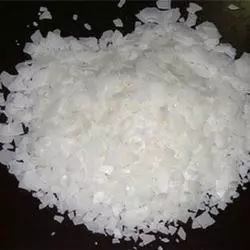
Hydrogenated RBD Palm Stearin
Found this useful?