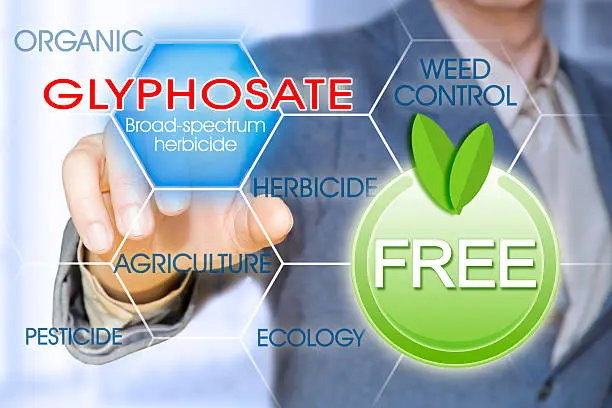
Ruling Could Affect Thousands of Pending Glyphosate Claims Against Bayer
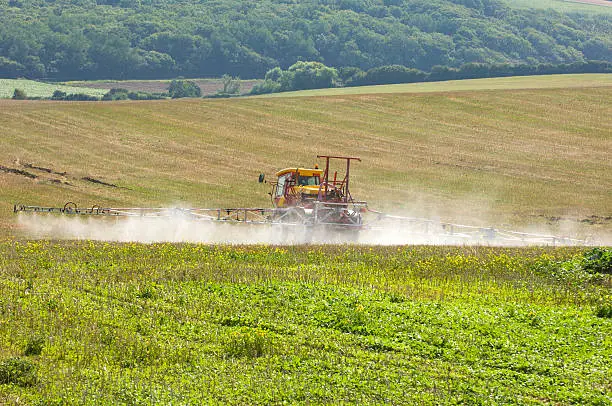
Ruling Could Affect Thousands of Pending Glyphosate Claims Against Bayer
Introduction
A recent U.S. Supreme Court ruling could have significant implications for Bayer, which continues to face thousands of lawsuits related to its glyphosate-based herbicide products. While the decision does not automatically dismiss all pending claims, legal experts believe it may strengthen Bayer's defense against certain failure-to-warn lawsuits by reinforcing the authority of federal pesticide labeling requirements.
The ruling has the potential to reshape the legal landscape surrounding glyphosate litigation, offering greater regulatory certainty for pesticide manufacturers while influencing future product liability cases across the agricultural chemicals industry.
Background: Glyphosate Litigation
Glyphosate is one of the world's most widely used herbicide active ingredients, commonly applied in agriculture, landscaping, and vegetation management. Since Bayer acquired Monsanto in 2018, the company has inherited extensive litigation alleging that long-term exposure to glyphosate caused certain health conditions, including non-Hodgkin lymphoma.
Although Bayer has resolved many claims through settlements, thousands of lawsuits remain active in U.S. courts. These cases primarily focus on allegations that product labels failed to provide adequate health warnings.
How the Supreme Court Ruling Could Change the Legal Landscape
The Supreme Court's decision reinforces the principle that pesticide labels approved by the U.S. Environmental Protection Agency (EPA) under the Federal Insecticide, Fungicide, and Rodenticide Act (FIFRA) carry significant legal authority.
As a result, Bayer may argue that:
EPA-approved labels satisfy federal legal requirements.
State courts should not require additional warning language that conflicts with federal approvals.
Certain failure-to-warn claims may be preempted by federal law.
Regulatory consistency should take precedence over differing state standards.
While courts will continue evaluating individual cases based on their specific facts, the ruling could influence how judges interpret pending litigation.
Potential Impact on Bayer
The decision may provide several strategic advantages for Bayer.
Stronger Legal Defense
The company may rely more heavily on federal preemption arguments when defending ongoing lawsuits involving glyphosate labeling.
Reduced Litigation Risk
If courts apply the ruling broadly, some pending failure-to-warn claims could face greater legal challenges, potentially reducing future liability.
Lower Legal Costs
Fewer successful lawsuits may reduce litigation expenses and improve long-term financial predictability.
Greater Investor Confidence
A more favorable legal environment could improve market confidence by reducing uncertainty surrounding one of Bayer's largest legal risks.
What It Means for the Crop Protection Industry
The ruling extends beyond Bayer and may affect the broader pesticide sector.
Manufacturers
Companies producing EPA-registered pesticides may gain stronger protection against certain state-law warning claims.
Distributors and Retailers
Businesses throughout the agricultural supply chain could benefit from greater certainty regarding federally approved product labeling.
Farmers
Farmers may continue relying on EPA-approved herbicides while regulatory agencies remain responsible for evaluating product safety based on scientific evidence.
Regulators
The decision reinforces the EPA's central role in determining pesticide labeling standards and maintaining nationwide consistency.
Important Limitations
Although the ruling may influence many pending lawsuits, it does not automatically end all glyphosate litigation.
Key considerations include:
Individual cases will still depend on their specific legal arguments and factual evidence.
Claims unrelated to labeling may continue moving through the courts.
Future regulatory actions by the EPA could still affect pesticide labeling requirements.
Scientific research regarding glyphosate safety continues to evolve.
The litigation process is therefore expected to continue, even as the legal framework changes.
Industry Outlook
The Supreme Court's decision may become a landmark precedent for future product liability cases involving federally regulated products.
Industry observers expect companies to:
Place greater emphasis on federal regulatory compliance.
Increase investment in scientific documentation supporting product registrations.
Strengthen product stewardship and risk communication.
Monitor future court decisions that interpret the scope of federal preemption.
The outcome could also influence litigation involving other agricultural chemicals and regulated products beyond glyphosate.
Conclusion
The Supreme Court ruling has the potential to significantly influence the future of glyphosate litigation against Bayer. By reinforcing the legal authority of EPA-approved pesticide labels under FIFRA, the decision may strengthen Bayer's defense against certain state-law failure-to-warn claims and reshape how similar cases are evaluated.
While thousands of lawsuits remain pending and individual outcomes will vary, the ruling represents an important development for Bayer, the crop protection industry, and the broader regulatory framework governing pesticide labeling in the United States.
Ammonium Polyphosphate

Found this useful?