
Sasol and White Desert Launch Commercial SAF for Cape Town–Antarctica Flights
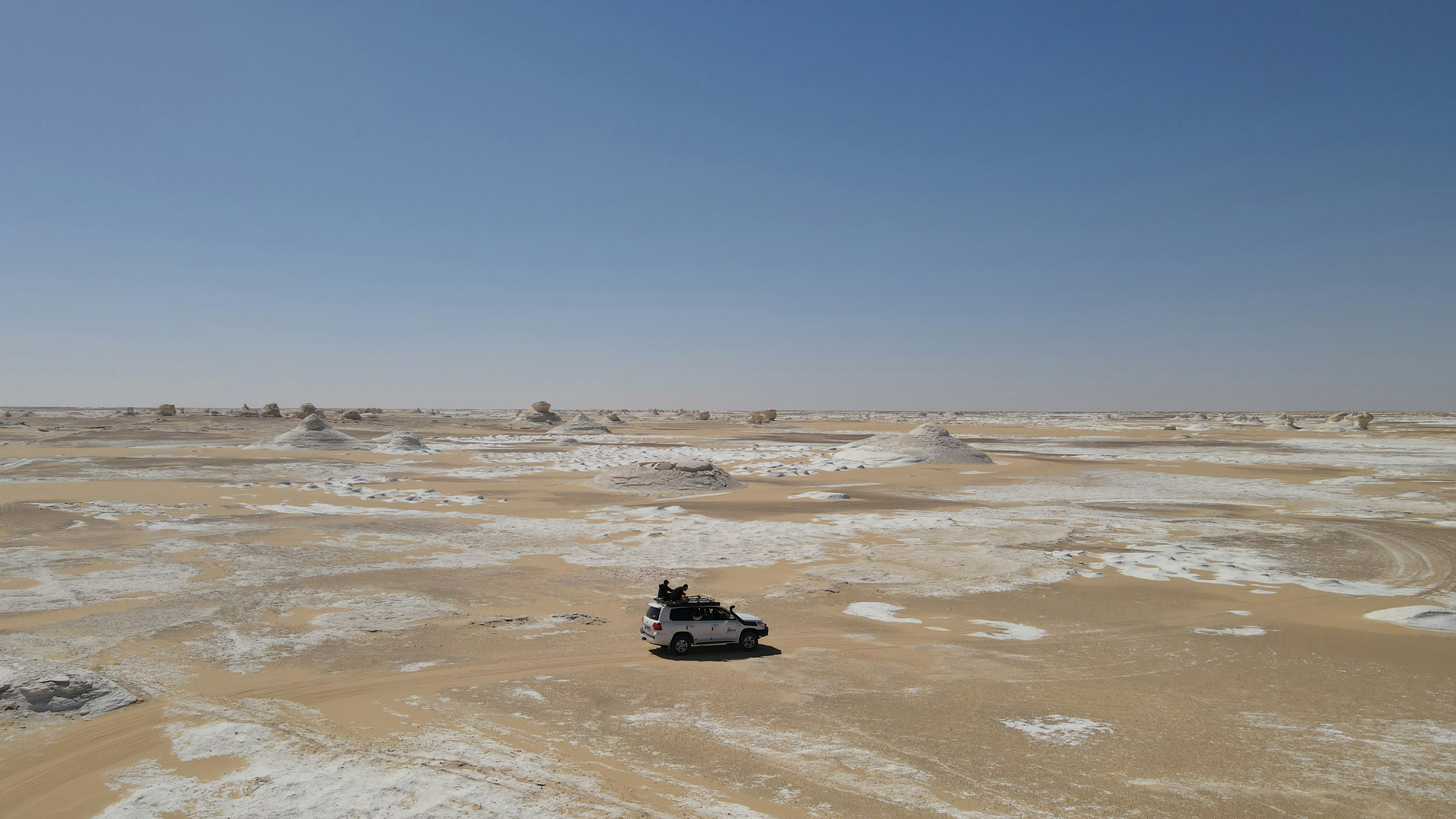
Sasol and White Desert Launch Commercial SAF for Cape Town–Antarctica Flights
Sasol and White Desert have launched a new commercial Sustainable Aviation Fuel (SAF) partnership that will supply SAF for White Desert's flights from Cape Town to Antarctica. Announced on September 15, 2026, the agreement marks a significant development for South Africa's emerging lower-carbon fuels industry and introduces Sasol's first commercial SAF volumes for White Desert's Antarctic aviation operations.
The partnership connects South African fuel-production capabilities with White Desert's direct Antarctic expedition flights, creating a commercial application for locally produced SAF.
Sasol to Supply Commercial SAF to White Desert
Under the agreement, Sasol will supply its first commercial SAF volumes to White Desert, a luxury Antarctic expedition company that operates direct flights from Cape Town to Antarctica.
White Desert operates direct flights from Cape Town to Wolf's Fang Runway in Antarctica. Its current service uses long-range Airbus A330 and A340 aircraft for the approximately 4,220-kilometre journey, which takes around five and a half hours.
The partnership provides a commercial outlet for Sasol's SAF production while allowing White Desert to incorporate locally produced sustainable fuel into its aviation operations.
SAF Produced From Sustainable Bio-Feedstocks
The SAF supplied through the partnership is produced from sustainable bio-feedstocks.
According to Sasol, the fuel is produced using used cooking oil collected in South Africa and co-processed at the company's Natref refinery in Sasolburg. Sasol has said this fuel can deliver an approximately 75% reduction in carbon emissions compared with conventional aviation fuel, based on the relevant lifecycle assessment.
The use of waste-based feedstocks is significant because sustainable aviation fuel can reduce reliance on conventional fossil-derived jet fuel while utilizing alternative carbon sources.
Sasol's SAF initiative therefore connects waste-oil collection, refinery processing and aviation fuel demand within a developing South African value chain.
Natref's Role in South Africa's SAF Development
The partnership is enabled by Natref's recent ISCC+ sustainability certification, which Sasol says strengthens the refinery's ability to participate in lower-carbon fuel markets.
Natref is an important part of Sasol's strategy to expand its SAF capabilities.
Sasol's current production capability is relatively small compared with conventional jet-fuel markets. The company has indicated that Natref can currently produce around 1–2 million litres of SAF, with plans to increase production to approximately 15 million litres by the end of 2027.
The company has also discussed expanding SAF production through its Secunda operations as market demand develops.
White Desert's Cape Town–Antarctica Operations
White Desert offers direct flights between Cape Town and Antarctica, allowing passengers to reach the Antarctic interior without taking a sea voyage.
The company operates from Cape Town to Wolf's Fang Runway, a private blue-ice runway in Antarctica. White Desert states that the flight covers approximately 4,220 kilometres and takes about 5.5 hours.
The operator uses Airbus A330 and A340 aircraft for the long-distance flights, while smaller aircraft such as Basler BT-67 and Twin Otter aircraft support operations deeper in Antarctica.
The introduction of SAF gives the expedition operator an opportunity to incorporate lower-carbon fuel into one of the most fuel-intensive parts of its Antarctic travel operations.
A Commercial Milestone for African Aviation
Sasol describes the agreement as an important milestone for African aviation and South Africa's developing lower-carbon fuels sector.
Rather than supplying SAF solely for demonstration flights or pilot projects, the partnership creates an ongoing commercial customer for locally produced fuel.
This is important because the development of a SAF industry depends not only on production technology but also on establishing reliable relationships between producers, fuel distributors, airlines and other aviation customers.
White Desert provides an example of a specialized aviation customer with a stated sustainability focus.
SAF as a Bridge Toward E-Fuels
Sasol views its current bio-based SAF production as more than a standalone fuel initiative.
The company describes bio-SAF as a stepping stone toward future e-fuels enabled by green hydrogen.
E-fuels, including power-to-liquid aviation fuels, can be produced using hydrogen generated from renewable electricity together with captured carbon.
For Sasol, developing SAF capabilities now can provide experience in sustainable feedstocks, certification, processing, fuel supply and customer demand while the broader green-hydrogen and e-fuels ecosystem develops.
Connecting Waste Cooking Oil With Aviation
One of the notable elements of Sasol's SAF strategy is its use of used cooking oil.
South Africa generates significant quantities of used cooking oil, creating a potential feedstock for renewable fuel production. Sasol collects this material and processes it through its existing refinery infrastructure.
This creates a circular connection between a waste stream and aviation fuel production.
The model can also demonstrate how existing industrial infrastructure can potentially be adapted to support lower-carbon fuel production rather than relying exclusively on entirely new facilities.
Sasol's Broader SAF Ambitions
The White Desert agreement is part of Sasol's broader efforts to establish itself in the sustainable aviation fuel market.
Earlier in 2026, Sasol received ISCC Plus sustainability certification for SAF produced from cooking and vegetable oils at Natref. Reuters reported that the company was targeting up to 100 million litres of SAF production annually at Natref by 2030, with potential production reaching approximately 200 million litres when Secunda is included.
The certification also opens the possibility of supplying SAF to international markets where sustainability certification is required.
This gives Sasol an opportunity to develop both domestic and export-oriented SAF markets as production capacity expands.
Why Commercial SAF Partnerships Matter
The aviation sector faces a particular challenge in reducing emissions because long-haul aircraft require energy-dense fuels and alternatives such as direct electrification are not currently suitable for most long-distance commercial aviation.
SAF is therefore being developed as one pathway for reducing the lifecycle carbon intensity of aviation fuel.
Commercial partnerships such as the Sasol–White Desert agreement can help connect SAF production with actual fuel demand.
For producers, customer agreements provide market signals for future capacity. For aviation operators, they provide access to certified lower-carbon fuel. For the wider industry, these projects can help establish supply chains and operating experience.
Looking Toward a Larger SAF Market
Sasol's current SAF production is only a small part of the aviation fuel market, but the company's planned capacity expansion indicates an intention to scale the business.
The White Desert partnership provides an early commercial application while Sasol works toward larger production volumes.
As certification systems, feedstock supply chains and production capacity develop, the company could potentially serve a broader range of aviation customers in South Africa and international markets.
The partnership also demonstrates how existing refinery infrastructure can participate in the transition toward alternative aviation fuels.
Conclusion
Sasol and White Desert's commercial SAF partnership brings together South African fuel production and Antarctic aviation in a new lower-carbon aviation application.
Sasol will supply its first commercial SAF volumes to White Desert for flights between Cape Town and Antarctica. The fuel is produced from sustainable bio-feedstocks, including used cooking oil processed at Natref, with Sasol reporting an approximately 75% carbon-emissions reduction for the fuel.
For Sasol, the agreement represents an early commercial step in developing its SAF business and building toward future e-fuel opportunities. For White Desert, it provides access to locally produced SAF for its direct Antarctic aviation operations.
As South Africa develops its sustainable-fuels industry, the partnership offers a practical example of how existing industrial infrastructure, alternative feedstocks and specialized aviation demand can be connected to create a commercial SAF supply chain.
Conventional White Quinoa
Found this useful?