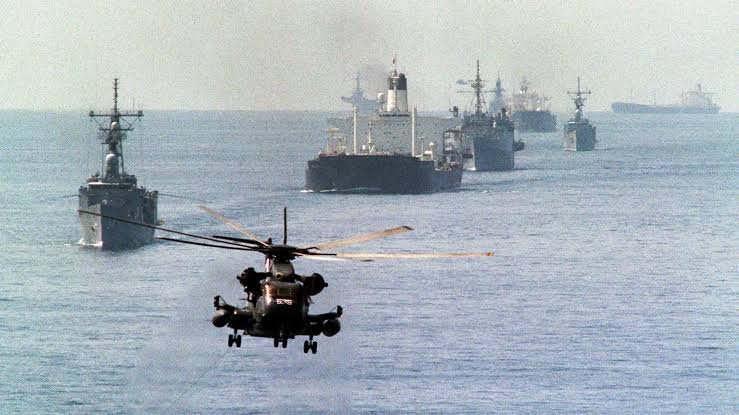
Saudi Arabia has redirected millions of barrels of crude oil per day toward Red Sea export terminals after attacks disrupted the Strait of Hormuz, but the alternative route now faces a new security threat. The Houthi movement has announced a maritime embargo against Saudi Arabia, putting the Bab el-Mandeb gateway and the Yanbu export corridor under renewed pressure.
For chemical traders, procurement managers and industrial buyers, the issue extends far beyond crude oil. A second disruption across a major energy corridor could increase freight costs, raise insurance premiums, tighten feedstock availability and create new volatility for products linked to oil and gas production.
Saudi Arabia’s Red Sea Oil Diversion Creates a Critical New Route
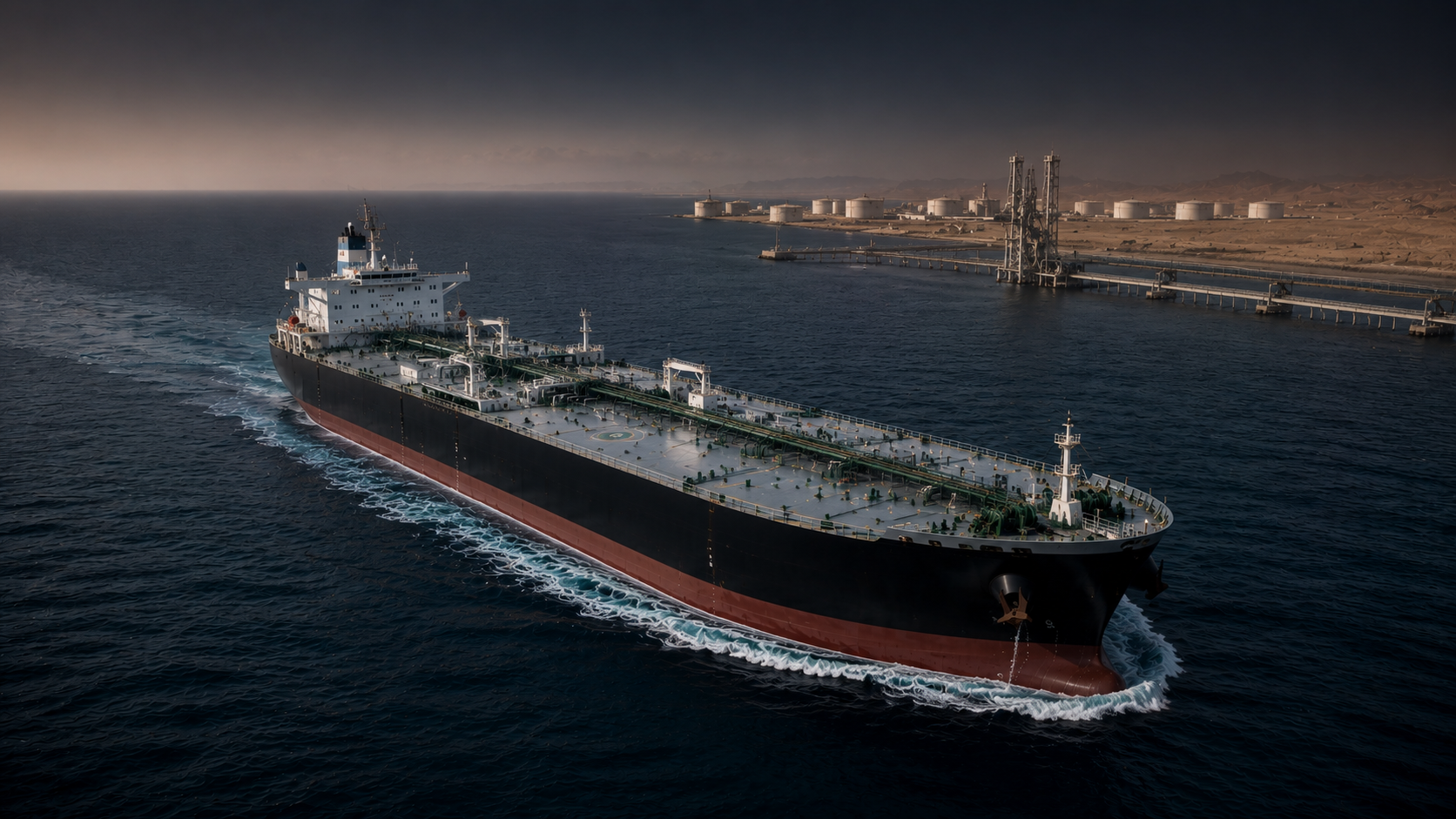
The disruption in Hormuz forced Saudi Arabia to shift a substantial share of its crude exports toward the Red Sea. Yanbu has become a key outlet because it allows Saudi barrels to bypass the Persian Gulf route and reach international markets through the Red Sea and Bab el-Mandeb.
Recent shipping data showed Saudi crude flows through the wider Red Sea corridor rising sharply as the country redirected exports away from the threatened Gulf route. More than 70% of normal Saudi crude exports were reportedly rerouted toward Yanbu during the period of severe Hormuz disruption.
This strategy created an important logistical workaround, but it also concentrated more energy traffic around a different chokepoint. The result is a major supply-chain problem: one disrupted route has pushed more volume toward another route that is now under direct threat.
Why the Houthi Threat Changes the Energy Supply Equation
The Houthi announcement has raised concerns that the Red Sea could become the second major corridor facing serious disruption. The Bab el-Mandeb Strait connects the Red Sea with the Gulf of Aden and serves as a vital passage for oil tankers, container ships and other commercial vessels.
The group declared a maritime embargo against Saudi Arabia and threatened shipping connected to the country. The announcement came as Saudi Arabia relied more heavily on Red Sea terminals to maintain crude exports during the Hormuz crisis.
The potential consequences for global trade include:
Reduced Saudi crude flows: Disruption around Yanbu or Bab el-Mandeb could prevent redirected Saudi barrels from reaching overseas buyers.
Higher freight and insurance costs: Tanker operators may demand greater compensation for entering a higher-risk corridor.
Longer delivery times: Ships may need to travel around the Cape of Good Hope, adding significant distance and transit time.
Tighter petrochemical feedstock markets: Reduced oil availability can affect refinery operations and the supply of naphtha and other hydrocarbon feedstocks.
The risk is especially serious because the Red Sea route was not simply another export channel. It had become Saudi Arabia's primary workaround to a major disruption in Hormuz.
A Second Chokepoint Could Amplify the Supply Shock
The market is now facing the possibility of correlated disruption across two critical maritime corridors. Hormuz affects Gulf energy exports, while Bab el-Mandeb controls access between the Red Sea and the wider Indian Ocean shipping network.
The Bab el-Mandeb route normally handles a substantial share of global trade and energy shipments. Previous Houthi attacks already forced many shipping companies to avoid the Red Sea, demonstrating how the threat of attacks alone can redirect global trade flows.
A new disruption would create several simultaneous pressures:
Crude availability could tighten as Saudi exports face another logistical bottleneck.
Tanker rates could rise as vessels take longer routes and face greater security risks.
Refineries could compete more aggressively for available crude and feedstocks.
Chemical producers could face higher costs for energy-intensive manufacturing.
For buyers, the key concern is not only whether a physical blockade occurs. A sustained threat can itself change vessel availability, insurance terms, routing decisions and delivery schedules.
What the Disruption Means for Chemical Feedstocks
Crude oil disruptions can move through the chemical value chain in several ways. Refiners may adjust crude slates, reduce operating rates or prioritize products that generate stronger margins, which can affect the availability of feedstocks used across petrochemical manufacturing.
Naphtha is one of the most exposed products because many steam crackers use it to produce ethylene, propylene and other essential building blocks. If crude flows become more expensive or less reliable, naphtha costs can rise and place pressure on polymer, solvent and specialty chemical producers.
The same applies to products linked to refinery operations and natural gas markets. Buyers may see indirect effects on:
Polyethylene and polypropylene, as feedstock costs influence polymer production economics.
Aromatics such as benzene and xylene, which support plastics, coatings and synthetic materials.
Solvents and industrial chemicals, where energy and refinery inputs contribute to production costs.
Synthetic rubber and other petrochemical derivatives, which depend on stable hydrocarbon supply.
The effect will vary by product and region, but procurement teams should expect greater price differentiation between suppliers with secure feedstock access and those exposed to disrupted import routes.
Shipping Costs Could Become the Next Major Price Driver
Energy prices often receive the most immediate attention during geopolitical disruptions, but logistics can create an equally important cost shock. If vessels avoid the Red Sea, longer voyages can consume more fuel, require additional crew time and reduce the number of trips a tanker can complete.
That reduction in effective vessel capacity can tighten the freight market even when global tanker numbers remain unchanged. Chemical cargoes may also compete with energy shipments for available vessel space, particularly when crude and refined product flows require emergency rerouting.
The main cost pressures for buyers could include:
Higher freight rates due to longer voyages and limited vessel availability.
Rising war-risk insurance premiums for vessels entering exposed areas.
Longer lead times that increase the amount of inventory required to maintain production.
Higher demurrage exposure if port operations slow because of security restrictions.
For importers, a low-priced chemical offer may therefore become less competitive once freight, insurance and delivery risk enter the calculation.
Regional Buyers Face Uneven Exposure
Asian buyers could face some of the most significant consequences because Saudi crude exports have historically played an important role in regional energy supply. If Red Sea shipments become difficult, refiners may need to source replacement barrels from other producers or compete for available cargoes on longer routes.
European buyers could also feel the impact through higher freight costs and tighter competition for Atlantic Basin supplies. A major rerouting of tankers around Africa would increase voyage times between the Middle East and Europe, affecting both crude and refined products.
Chemical buyers in South Asia may face a particularly complex situation because the region relies heavily on imported energy and industrial raw materials. Any increase in freight costs across major routes can quickly affect landed prices for polymers, solvents, fertilizers and other chemical products.
How Procurement Teams Should Manage the New Risk
The current situation highlights the danger of relying on a single preferred supply route. Companies that previously viewed the Red Sea as a practical alternative to Hormuz may now need to evaluate whether that route can remain dependable during a prolonged regional crisis.
Procurement teams should focus on practical resilience measures:
Review supplier geography: Identify which suppliers depend on Saudi crude, Gulf feedstocks or Red Sea shipping routes.
Confirm alternative origins: Build relationships with suppliers in regions that do not depend on the same maritime corridor.
Request updated delivery schedules: Do not rely on standard transit times while shipping routes remain volatile.
Evaluate landed cost rather than headline price: Freight, insurance and potential delays can change the real cost of a chemical shipment.
Protect critical inventory: Buyers of essential feedstocks should assess whether additional safety stock makes commercial sense.
Use flexible contracts where possible: Shipment windows and destination flexibility can help suppliers respond to sudden route changes.
The most resilient buyers will not simply search for the cheapest cargo. They will evaluate the probability of delivery, the stability of the route and the supplier's ability to offer alternatives.
The 2027 Market Outlook Depends on Route Security
The outlook for global chemical markets will depend heavily on whether the disruption remains temporary or becomes a structural change in energy logistics. If Hormuz and Bab el-Mandeb both remain under serious pressure, the industry could face a prolonged period of higher freight costs and more expensive feedstock procurement.
Several factors will shape the next phase of the market:
The duration of Hormuz disruption: A longer interruption would increase pressure on alternative export corridors.
The enforcement of the Houthi maritime embargo: Even limited attacks could discourage commercial operators from using the route.
The availability of alternative crude supplies: Producers outside the affected region may gain stronger pricing power.
Tanker fleet capacity: Longer voyages could effectively remove vessels from normal trading cycles.
Refinery and petrochemical operating rates: Producers may adjust output depending on feedstock availability and margins.
A temporary security improvement could quickly ease some logistics pressure. However, the experience has already shown how rapidly trade flows can shift when a major chokepoint becomes unreliable.
The Bottom Line for Procurement Teams
Saudi Arabia's diversion of millions of barrels per day toward Red Sea terminals created a vital workaround after Hormuz attacks disrupted traditional export routes. The Houthi maritime embargo now threatens to undermine that solution, placing two critical energy corridors at the center of the same supply-chain crisis.
For chemical buyers, the priority should be supply visibility and route diversification. Companies that monitor only crude prices may miss the larger risk, as freight, insurance, vessel availability and delivery delays can quickly reshape the final cost of imported chemicals.
The immediate lesson is clear: alternative routes only reduce risk when they remain operational, accessible and commercially viable. Buyers should reassess supplier exposure, protect essential inventory and prepare for greater volatility across energy-linked chemical markets. Ready to source Crude Oil from verified global suppliers? Explore competitive offers on our platform today.